An ARRL search page for finding in-person or remote video online amateur radio license exam sessions. It also lists upcoming sessions for other organizations not affiliated with ARRL, and the sponsoring organization is shown on the VEC line. Exam candidates are required to register in the FCC CORES system and receive an FCC Registration Number before exam day.
Directory
Search results
Published directory entries matching your search.
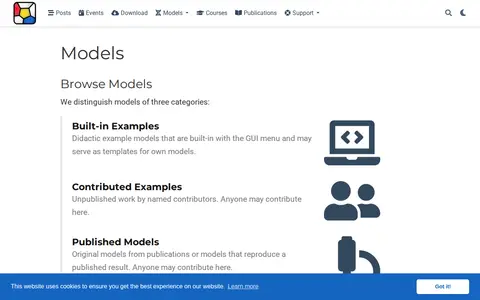
The Morpheus model repository is a searchable collection of simulation models organized as built-in examples, contributed examples, and published models. It offers full-text search and keyword tags, and registers each model with a persistent identifier. Users can submit MorpheusML-encoded model files.
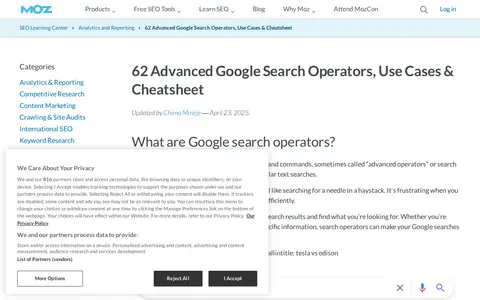
This is a Moz educational guide explaining Google search operators, which are special characters and commands that extend the capabilities of standard Google text searches. The guide lists 62 advanced search operators, categorizes them by functionality status, outlines SEO and content research use cases, and provides example search strings for each operator.
A Moz blog post by Dr. Peter J. Meyers presenting 67 Google search operator examples across five areas: content research, title research, plagiarism check, competitive research, and technical SEO/audits. It explains operators such as quotes for exact match, parentheses for grouping terms, and exclusion of specific terms.
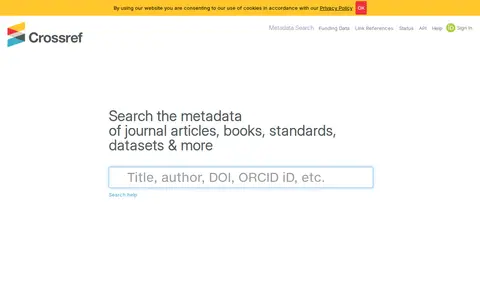
Crossref Metadata Search is a public service that allows users to search metadata for a range of research outputs including journal articles, books, standards, and datasets. It supports queries using DOIs, ORCID iDs, ISSNs, full citations, and custom search terms, and provides example queries to guide user searches.
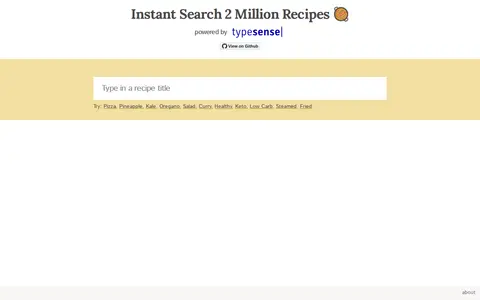
Recipe Search is a search interface for browsing recipes from the RecipeNLG recipe database, using Typesense Instant Search. The page states it covers 2 million recipes and suggests example searches such as Pizza, Kale and Curry.
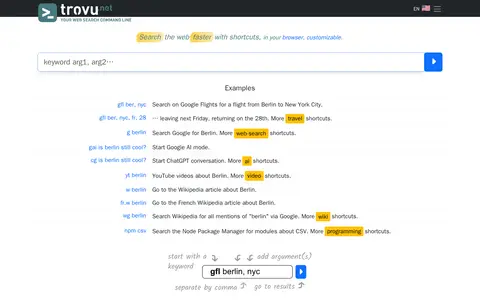
Trovu.net is a web search command line tool that allows users to search over 1000 websites using customizable, curated and personal shortcuts organized by namespaces. It supports multiple and typed arguments and prioritizes maximum privacy for users. Advanced settings and personal shortcuts can be configured via a free GitHub account, and the service includes example shortcuts for travel, web search, AI, video, Wikipedia, and programming queries.

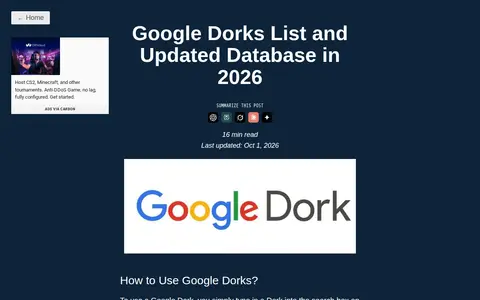
A compiled list of Google Dork search queries with usage examples. It provides specialized Google search strings to locate specific web content, including .edu domain contact details, websites running vbulletin forum software, and other targeted information.
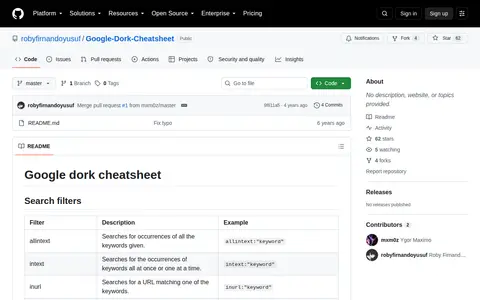
Google Dork Cheatsheet is a reference resource that documents Google advanced search operators and accompanying example queries. It lists operators such as allintext, inurl, filetype, and related, along with sample searches for use cases including locating specific file types, site-specific content, and publicly indexed directories.
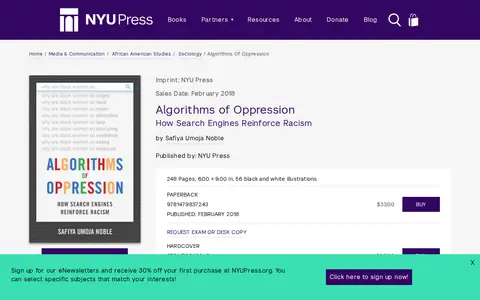
Algorithms of Oppression by Safiya Umoja Noble is a book published by NYU Press in February 2018 under the title How Search Engines Reinforce Racism. It examines how negative biases against women of color are embedded in search engine results and algorithms.
idealo's flight search service allows users to compare cheap flights and low-cost tickets from many airlines. It supports round-trip, one-way, and multi-city searches, with options for baggage and non-stop flights. The site displays example prices to destinations including the United States, United Kingdom, Canada, Europe, India, the Far East, and Latin America.
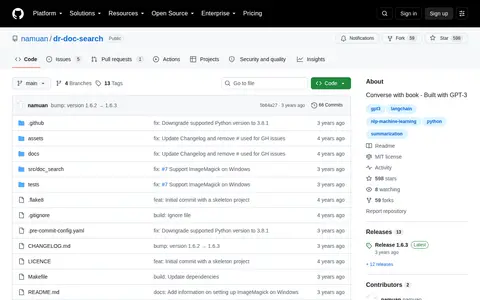
TalkToPapers, referenced as the namuan/dr-doc-search GitHub repository, is an open-source tool that enables users to converse with book content, built using GPT-3. The repository includes documentation covering prerequisites, installation steps, and example usage.
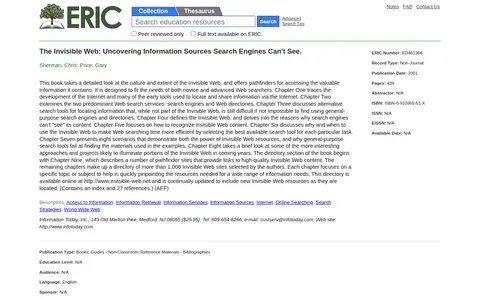
A 2001 book by Chris Sherman and Gary Price examining the nature and extent of the Invisible Web and offering pathfinders for accessing its content, aimed at novice and advanced web searchers. Chapters cover the development of the Internet, search engines and web directories, why search engines cannot see invisible web content, how to recognize it, and when to use it. A directory section lists more than 1,000 Invisible Web sites by topic.
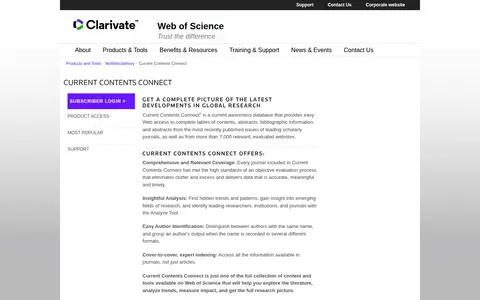
Current Contents Connect is a current awareness database available through Web of Science. It provides web access to complete tables of contents, abstracts and bibliographic information from recent issues of scholarly journals, and also covers more than 7,000 evaluated websites. It includes a subscriber login and an Analyze Tool for examining research trends.
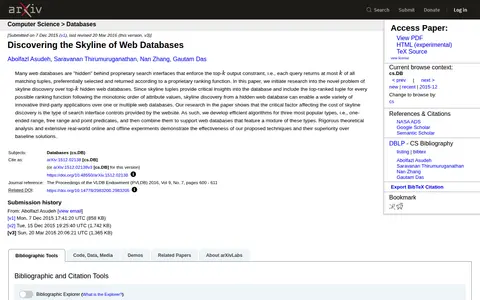
An arXiv paper on discovering skylines over hidden web databases whose search interfaces enforce a top-k output constraint. It examines how search interface controls affect discovery cost and develops algorithms for one-ended range, free range and point predicates, combined for mixed interfaces. Experiments over real-world online and offline databases are reported.
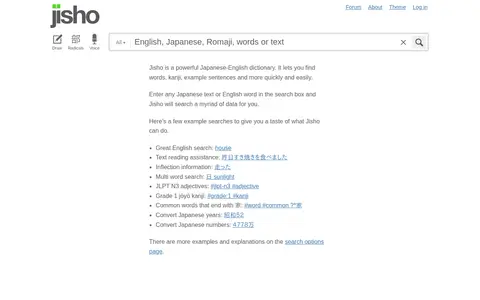
Jisho is an online Japanese-English dictionary. Users enter Japanese text or an English word to find words, kanji and example sentences. Search options include romaji conversion, wildcards, unit conversion, multiple additive search terms and hashtag filters such as verb, adjective and WaniKani levels.
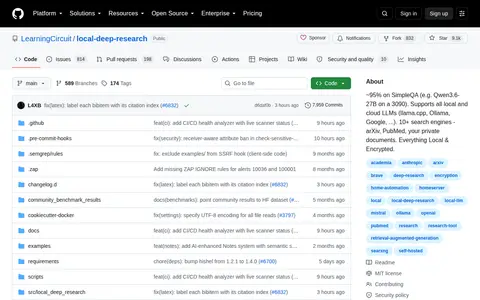
Local Deep Research is a tool that achieves approximately 95% accuracy on the SimpleQA benchmark, with an example run using Qwen3.6-27B on an RTX 3090. It supports all local and cloud LLMs including llama.cpp, Ollama, and Google models, integrates over 10 search engines such as arXiv, PubMed, and private document sources, and operates with local and encrypted processing.
(USA) An AI search engine specifically for developers that provides direct answers with code examples and context from across the web.
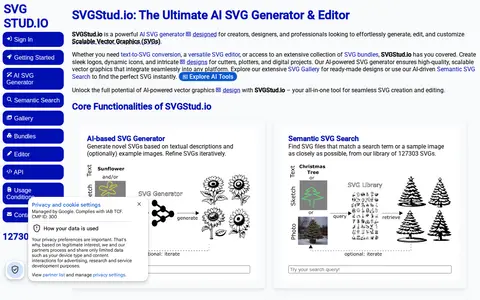
SVGStud.io is an AI-powered SVG generator and editor. It generates SVGs from textual descriptions and optional example images, refines them iteratively, and offers semantic search across a library of 127303 SVGs plus a gallery and in-browser editing. Generated SVGs are licensed under CC-BY-SA 4.0. Inputs are logged and generated SVGs are added to the public library.
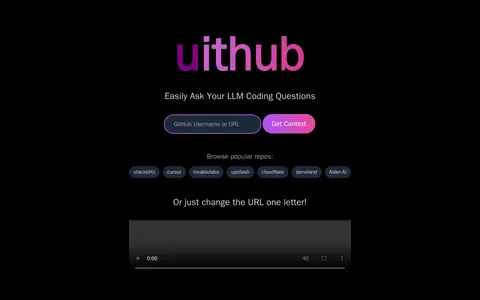
uithub provides GitHub repository context for use with LLMs. Changing one letter in a GitHub URL, from G to U, returns full repository context. The site also offers an API for obtaining LLM context and lists example uses such as code verification, code search and changelog tracking.
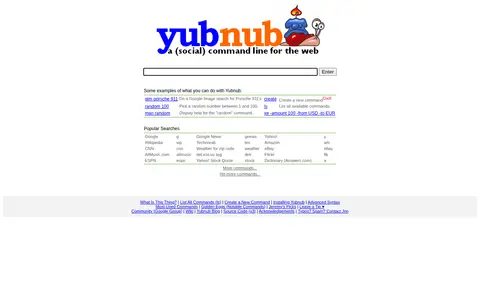
Yubnub is a web-based command line service that allows users to execute custom commands to access external websites and tools. Example commands include image searches, random number generation, and dictionary lookups. It supports advanced syntax for creating custom commands with multiple parameters and default values, and can be integrated with web browsers including Firefox, Internet Explorer, Safari, and Opera.
The Data Visualisation Catalogue is a project by Severino Ribecca that provides a non-code-based library of information visualization types. The site serves as a learning and inspiration resource, offering a searchable guide to chart methods such as bar charts, heatmaps and treemaps. Example images mostly use dummy data.
An article by Andy Baio examining how AI companies use datasets and models from academic and nonprofit research groups. It describes Meta's Make-A-Video using Shutterstock clips and YouTube videos collected by Microsoft, and notes nonprofit datasets used for Stable Diffusion and other models. It argues this outsourcing shifts accountability and legal liability away from corporations.
AidData is a research lab at William & Mary that provides evidence on how sustainable development investments are targeted, monitored, and evaluated. It uses rigorous methods, tools, and granular data to examine who is doing what, where, for whom, and to what effect. It also offers training and professional education.