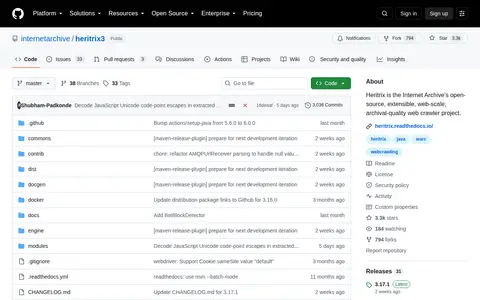

Heritrix is the Internet Archive's open-source web crawler project, described as extensible, web-scale and archival-quality. It is designed to respect robots.txt exclusion directives and META nofollow tags. Documentation covers getting started, operating, configuring crawl jobs and the REST API. It is free software under the Apache License, Version 2.0, with some files under other licenses.
Directory
Search results
Published directory entries matching your search.
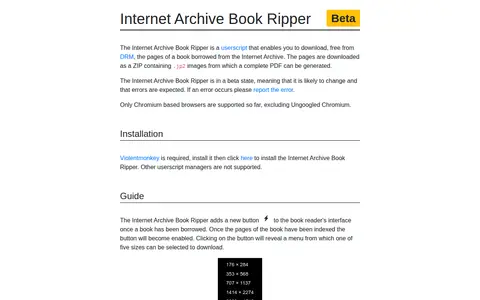
Internet Archive Book Ripper is a beta userscript that downloads the pages of a borrowed Internet Archive book as a ZIP of .jp2 images from which a complete PDF can be generated. It requires Violentmonkey and supports only Chromium-based browsers so far, excluding Ungoogled Chromium. A button appears in the book reader once a book has been borrowed and pages indexed.
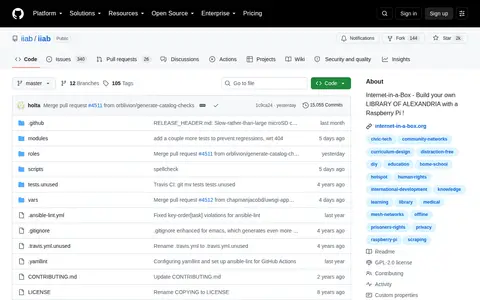
Internet-in-a-Box (IIAB) is an open-source, community-driven project that enables users to build an affordable, offline digital library server, most commonly using a Raspberry Pi. It creates a local learning hotspot that provides access to free educational content including Wikipedia in multiple languages, thousands of Khan Academy videos, zoomable OpenStreetMap, e-books and other resources without an internet connection. It includes tools to arrange content packs, offers 30+ educational apps, supports mesh networking for local knowledge exchange, and is intended for schools, clinics, libraries, prisons and community use.
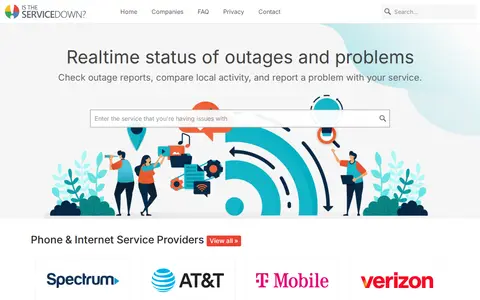
A site that shows realtime status of outages and problems with service providers. It covers categories such as phone and internet providers, video games, VoIP and messaging, online services, mobile apps, postal and delivery services, power utilities and online finance. Users can check outage reports, compare local activity and report a problem.
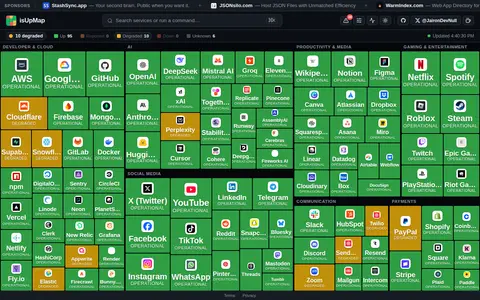
isUpMap is a service that provides a real-time heatmap displaying the operational status of over 90 popular internet services, indicating if each service is up, degraded or down. It tracks recent service incidents, offers customization options and desktop notifications for status changes, and works on both mobile and desktop devices, with an optimized experience for wider screens. The service also lists supporting sponsors and includes a search function to look up specific services.

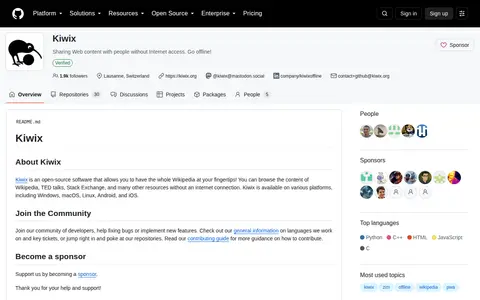
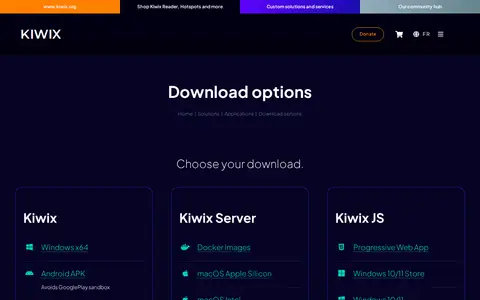
Offline reader for Wikipedia, educational content, and ZIM archives without an internet connection.
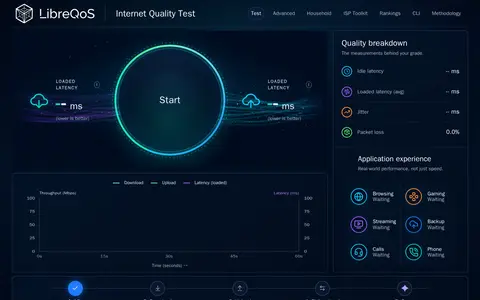
LibreQoS Test helps test internet speed, latency, and connection quality from a browser or command line.
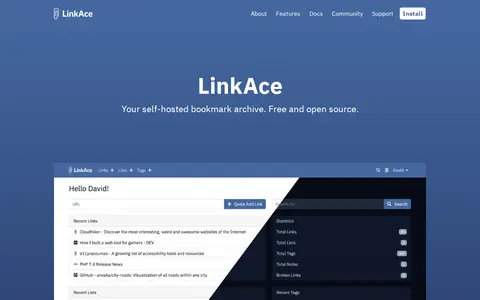
LinkAce is a free and open source bookmark archive for long-term storage and organization of links. It is self-hosted and offers tags and lists, multiple users with SSO via OAuth or OIDC, regular availability checks of saved links, and automatic saving of links to the Internet Archive. It includes search, filtering and ordering, and a REST API. An official hosted option is in beta with a waitlist.
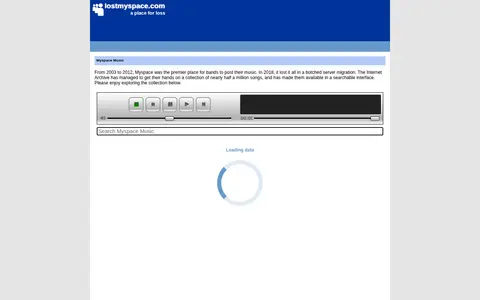
LostMyspace is a searchable interface for exploring a collection of nearly half a million songs that the Internet Archive recovered from Myspace. The page notes that Myspace was a premier place for bands to post music from 2003 to 2012, and that it lost its music in a botched server migration in 2018. All content is hosted by the Internet Archive.
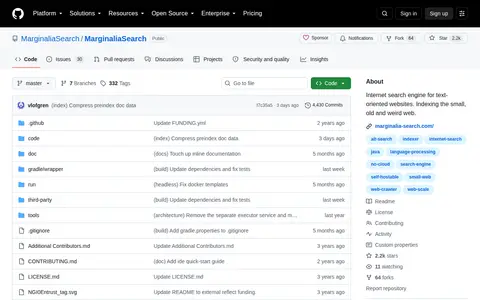
Marginalia Search is an experimental internet search engine focused on text-oriented websites, particularly small, old, and obscure sites. It aims to provide alternative, non-commercial discovery without requiring expensive data centers. The system can be self-hosted on affordable hardware and also offers a white-label option for custom data. Funding is planned through grants, donations, and commercial API licenses, while non-commercial use remains free.
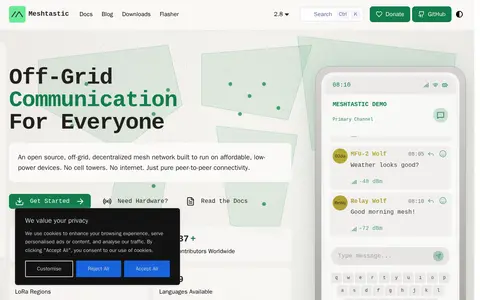
Meshtastic is an open source, community-driven project that uses LoRa radios as an off-grid communication platform in areas without reliable communications infrastructure. Devices rebroadcast messages to form a mesh network without cell towers, WiFi or internet, and can be paired with a phone or computer via Bluetooth, WiFi or USB. Clients include Apple and Android apps, a web client and a Python CLI/SDK.
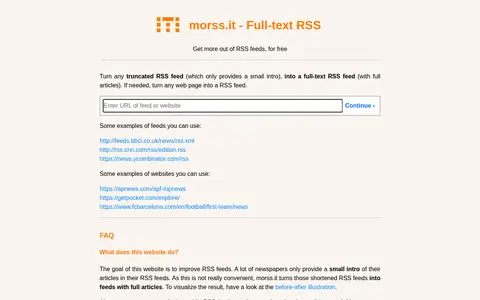
morss.it is a free web tool that converts truncated RSS feeds into full-text feeds. It can also turn a web page into an RSS feed. The site states it does not support Internet Explorer, and that Edge and Safari are mostly supported, while Firefox or Chrome are recommended.
NetBlocks provides network diagnostics for checking connectivity, traffic, devices, or internet performance.
OpenSpeedTest is a browser-based HTML5 internet speed test that measures download, upload, ping, and jitter without Flash or Java. It works on phones, TVs, consoles, and computers. A free and open-source self-hosted server can be deployed, and a speed test widget can be embedded on websites or apps.
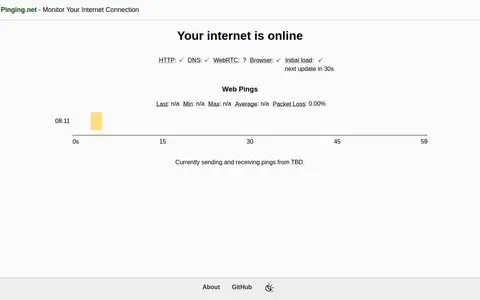
Pinging.net is a web tool for testing and monitoring an internet connection. It reports status for HTTP, DNS, WebRTC and the browser, and shows web ping statistics including last, minimum, maximum and average values and packet loss, with updates every 30 seconds.
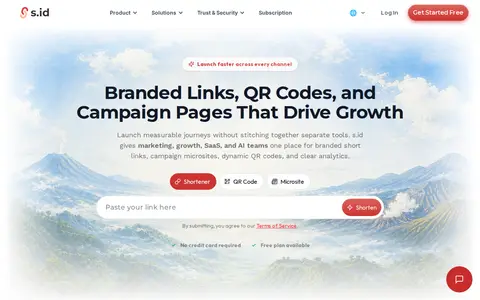
s.id is an internet utility for network checks, web research, connectivity, or online diagnostics.
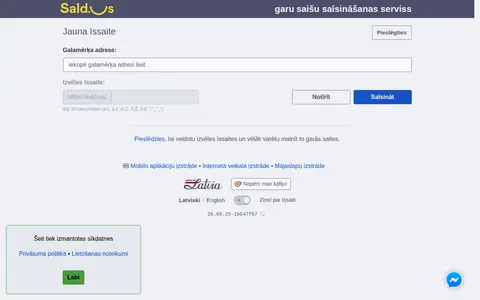
Sald is an internet utility for network checks, web research, connectivity, or online diagnostics.
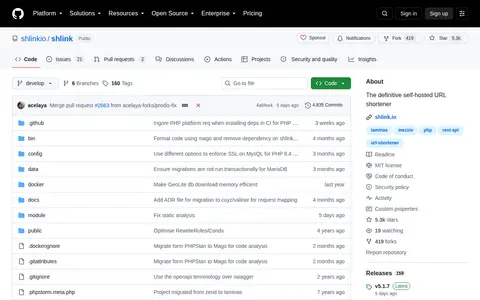
Shlink is an open source network utility for diagnostics, connectivity checks, or internet testing.
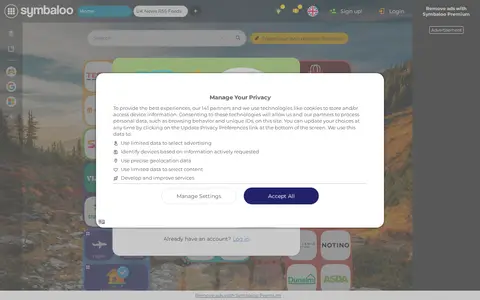
Symbaloo is an online bookmark manager for saving, sharing and organizing favorites. It can be used as a homepage on any browser or Internet-enabled device, and a free account is offered. Ads can be removed with Symbaloo Premium.
T.LY is an internet utility for network checks, web research, connectivity, or online diagnostics.
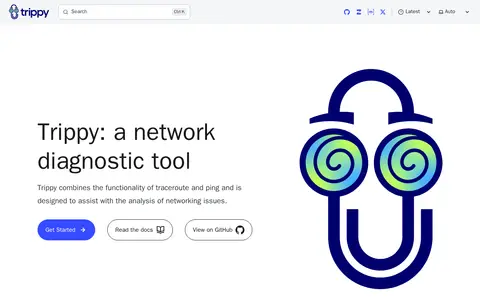
Trippy provides network diagnostics for checking connectivity, traffic, devices, or internet performance.
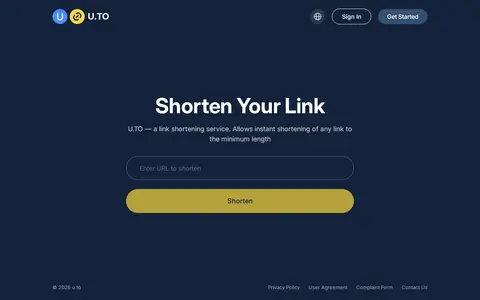
u.to is an internet utility for network checks, web research, connectivity, or online diagnostics.
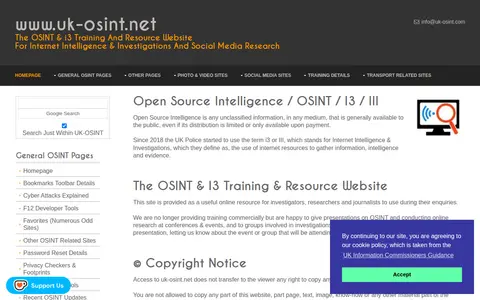
UK-OSINT is a training and resource website covering open source intelligence and Internet Intelligence & Investigations. It states that commercial training is no longer offered, while presentations on OSINT and online research are available to conferences, events and investigation groups.