
Reserve Protocol is building technology for Decentralized Token Folios (DTFs), described as permissionless, tokenized indexes. The site lists several Reserve DTFs covering sectors such as AI photonics, AI infrastructure, AI power, and robotics, each available on a named chain and governed by RSR holders.

Directory
Search results
Published directory entries matching your search.
Sierra Protocol is described as an institutional-grade layer for deploying permissionless yield vaults. It offers vault deployment, curated vaults, Liquid Yield Tokens and earn products. Vaults issue ERC-20 tokens tracking underlying segregated reserves, with optional upgrade to a Liquid Yield Token. The site lists asset managers, fintechs and exchanges among intended users.
Money On Chain is a Bitcoin-native DeFi protocol offering DOC, a bitcoin-backed stablecoin that tracks the US dollar, BPRO for bitcoin exposure with leverage, and MOC for governance and staking. It states the protocol is 100% bitcoin-backed with no bank reserves and has been live since 2019.
Noncustodial protocol that reserves other depositors' unused borrowing power beneath a borrower's position, allowing a liquidation line set past the underlying protocol's. Creditors delegate unused borrowing power and keep earning lending yield, while borrowers reserve credit in isolated vaults for higher leverage. The page states it is live on Aave and Euler and refers to double leverage on Aave, Euler and Morpho.
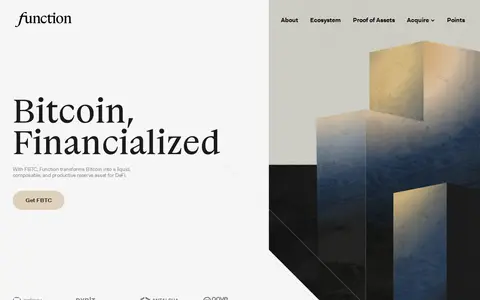
Function FBTC is a project that transforms Bitcoin into a liquid, composable and productive reserve asset for DeFi, extending Bitcoin's utility beyond holding. It lists vaults for lending and yield, including Cian and Sentora vaults on Ethereum and Solana, with assets such as FBTC, stablecoins and PYUSD. The project also describes serving institutional investors, DeFi protocols, market makers and Bitcoin holders.
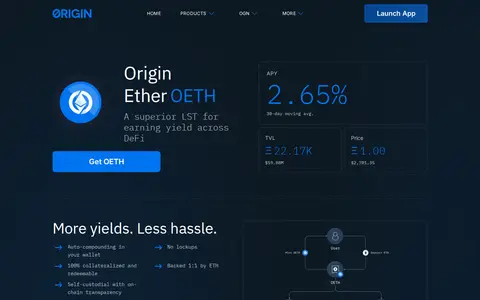
Origin Ether (OETH) is a liquid staking token for earning yield across DeFi, described as auto-compounding in wallets with no lockups and backed 1:1 by ETH. Reserves remain liquid for permissionless redemption, and the codebase shares history with OUSD.