nih.gov
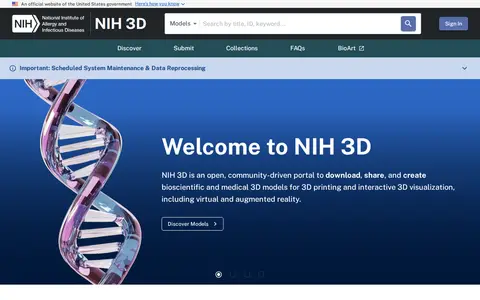
NIH is a miscellaneous web resource for discovery, directories, archives, web culture, or useful tools.
Directory
Published directory entries matching your search.
NIH is a miscellaneous web resource for discovery, directories, archives, web culture, or useful tools.

NIH Print is an educational resource for documentaries, courses, books, reference material, or self-learning.

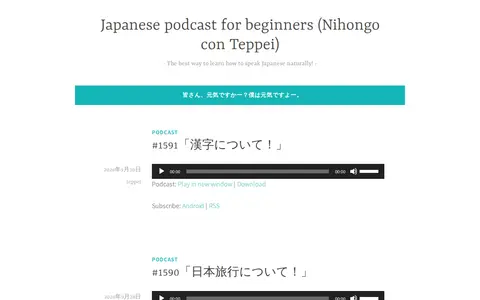
Nihongo con Teppei is a Japanese podcast for beginners, presented as a way to learn to speak Japanese naturally. The site lists numbered episodes with Japanese titles and downloadable MP3 audio files. No further details are given.

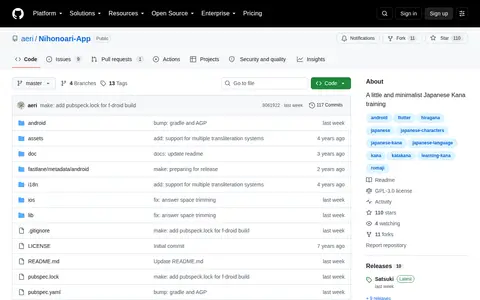
Nihonoari is a GitHub repository or organization with source code, releases, documentation, or project resources.

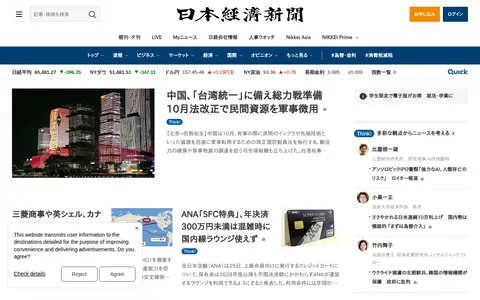
Nihon Keizai Shimbun publishes newspaper reporting, headlines and current-affairs coverage in Japan.

Nihon University, right in Tokyo, Japan, is a great pick for Dentistry, Earth and Planetary Sciences and Energy.

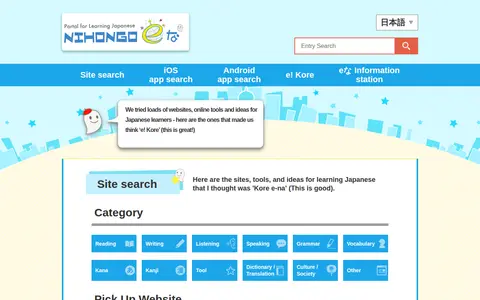
A site that introduces websites and online tools for studying Japanese, with sections for apps and categorized sites. It also includes articles on learning resources and links to a Japan Foundation e-learning platform.

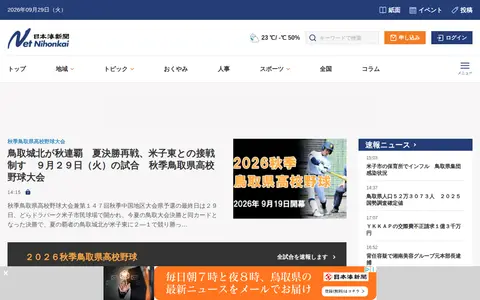
Nihonkai Shimbun publishes newspaper reporting, headlines and current-affairs coverage in Japan.

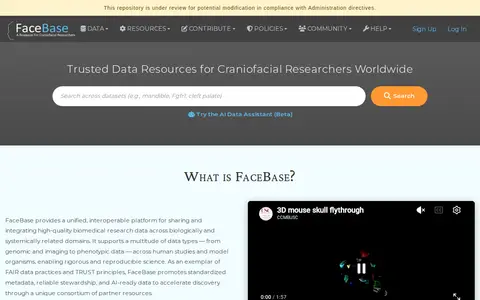
FaceBase is an NIH-funded data repository for craniofacial research. It offers FAIR, AI-ready datasets covering dental, oral, craniofacial and inner ear biology, and provides a unified platform for sharing and integrating data types including genomic, imaging and phenotypic data across human studies and model organisms.
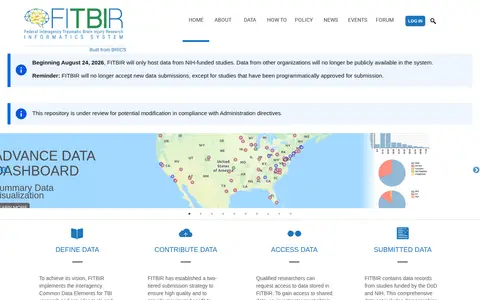
The Federal Interagency Traumatic Brain Injury Research Informatics System (FITBIR) is a U.S. federal interagency platform for traumatic brain injury (TBI) research. It provides resources for defining, submitting, accessing, and visualizing TBI-related research data, including data dictionaries, common data elements for TBI, chronic TBI-related neurodegeneration, preclinical and trauma research, and tools for accessing biospecimens from affiliated biorepositories. As of the snapshot, the system announced it would limit publicly hosted data to NIH-funded studies starting August 24, 2026, and would no longer accept new data submissions for most studies.
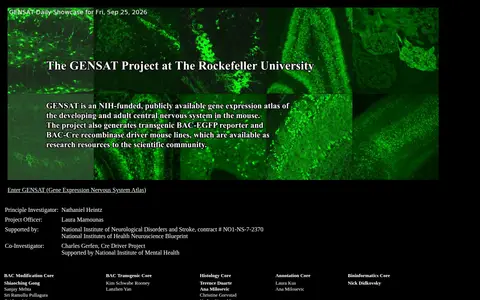
The GENSAT Brain Atlas is a collection of pictorial gene expression maps of the mouse nervous system. It is supported by the National Institute of Neurological Disorders and Stroke and the NIH Neuroscience Blueprint, with a Bac transgenic and Cre driver project among its components.

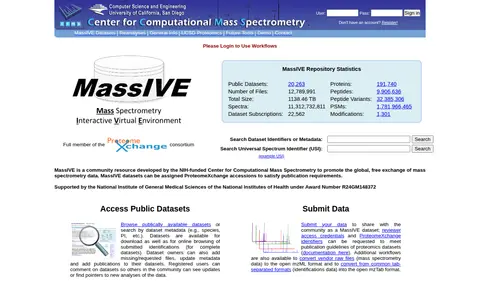
MassIVE is a community resource from the NIH-funded Center for Computational Mass Spectrometry for free global exchange of mass spectrometry data. It allows browsing and downloading public datasets, searching dataset metadata, submitting data, credentials for reviewer access and ProteomeXchange accessions, searching submitted identifications and reanalyses, online reanalysis workflows and comparison of identification results.

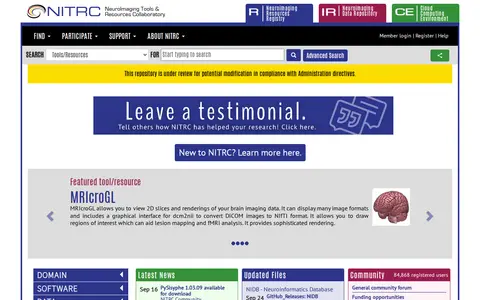
NITRC is an NIH-supported open domain-specific repository for the neuroimaging community. It hosts tools, data and resources, including featured tools such as MRIcroGL, eeg_pipelines, BabelBrain and BrainEffeX, and provides a user guide for browsing and administering resources.