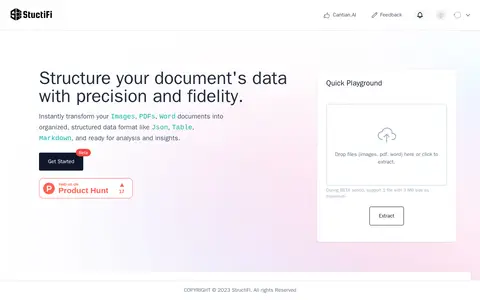

Structifi is an AI-powered tool designed for optical character recognition (OCR) and structured data extraction. It converts content from files including PDFs and images into actionable structured data, supporting use cases such as extracting sales leads, contacts, exam papers, and catalog information. The tool can also convert files to text, Excel, and other structured data formats.
Directory
Search results
Published directory entries matching your search.
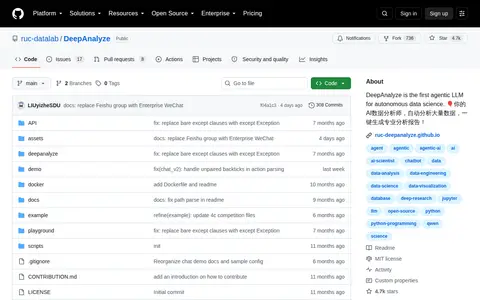
An agentic LLM for autonomous data science that performs data preparation, analysis, modeling, visualization, and report generation without human intervention. It supports open-ended research on structured, semi-structured, and unstructured data sources, and the model, code, training data, and demo are open-sourced.
Lighthouse Rich Result Checker helps create or test structured data, schema markup, and rich-result eligibility.
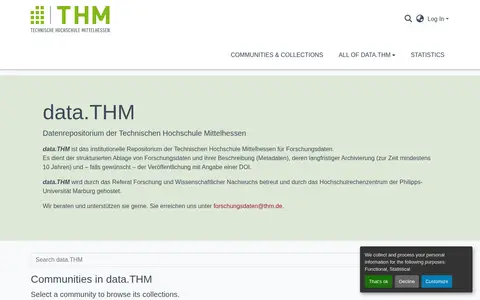
data.THM is the institutional research data repository of the Technische Hochschule Mittelhessen. It provides structured storage of research data and their metadata, long-term archiving, and optional publication with a DOI. The repository is maintained by the Referat Forschung und Wissenschaftlicher Nachwuchs and hosted by the Hochschulrechenzentrum of the Philipps-Universität Marburg.
depositar is a research data repository built on the open source CKAN package and customized for research data management. It is open to all researchers and free to register. Datasets can be searched by spatiotemporal ranges, data types and keywords, indexed by Google Dataset Search, and accessed through Web APIs and structured data endpoints.
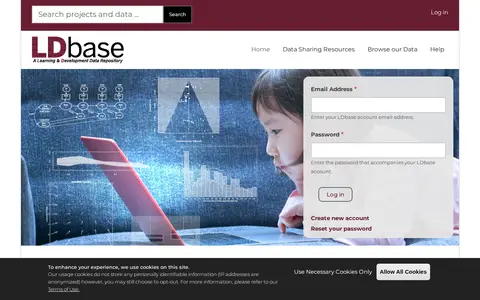
LDbase is an open science data repository for the educational and developmental science communities. It provides a secure platform to store and access research data, alongside resources related to data management and analysis. Unlike dataset-oriented repositories, LDbase is structured around projects to align with the workflows of its target field. Users can browse data, search for projects, start new projects, and access support via regular virtual office hours.
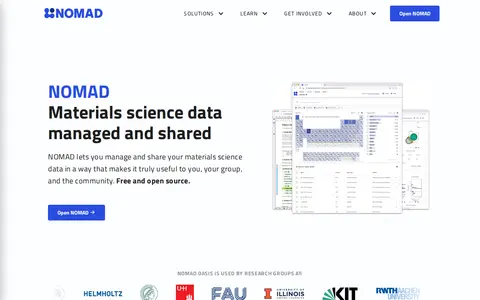
NOMAD is a free and open-source service for managing, sharing and publishing materials science data. It processes uploaded files to extract structured data and metadata, supports over 60 formats, and provides search, preview and download functions. All functionality is accessible via APIs, and published data is available under a CC-BY-4.0 license. NOMAD Oasis offers local installation with access control for research groups.
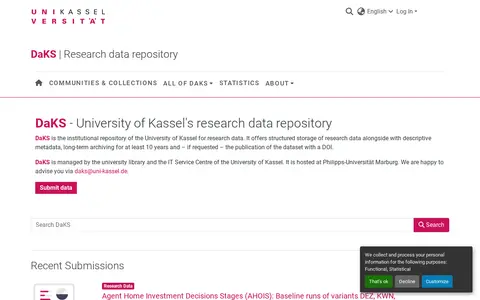
DaKS is the institutional repository of the University of Kassel for research data. It offers structured storage of research data with descriptive metadata, long-term archiving for at least 10 years and, if requested, publication of the dataset with a DOI. DaKS is managed by the university library and the IT Service Centre of the University of Kassel and is hosted at Philipps-Universität Marburg.
Import.io is a web data extraction and AI infrastructure platform. It converts website content into structured data, and provides web scraping tools, managed data services, pricing intelligence, and MCP tools for AI agents. It supports use cases across multiple industries including retail, ecommerce and AI development.
TUdatalib is TU Darmstadt's institutional repository for research data generated or worked with at TU Darmstadt or associated universities of applied sciences. It provides structured storage of data and describing metadata, long-term archiving, and optional publication of metadata and files including DOI assignment. Rights and role management is based on research group membership. Use requires appointed admins in the research group.
Analyzes structured data and helps produce queries, insights or visualizations.
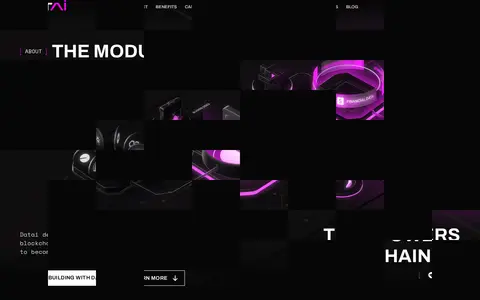
Datai is a modular data layer for on-chain AI. It aggregates data from multiple blockchains and processes it through machine learning models to classify smart contracts and provide structured insights. The network uses a three-layer architecture with indexer nodes operated by node providers. Developers can contribute projections to expand data coverage; the currently supported projection type is DeFi Active Positions.
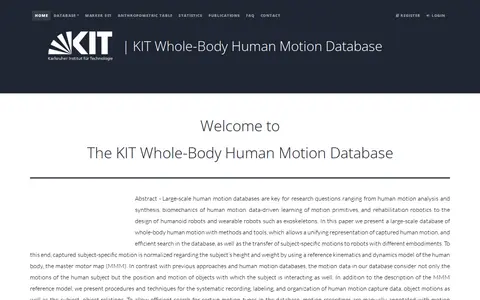
The KIT Whole-Body Human Motion Database is a large-scale database of captured whole-body human motion. Motion is normalized with the master motor map reference model, and recordings are manually annotated with tree-structured tags for searching. The data include object positions and subject–object relations.
Analyzes structured data and helps produce queries, insights or visualizations.
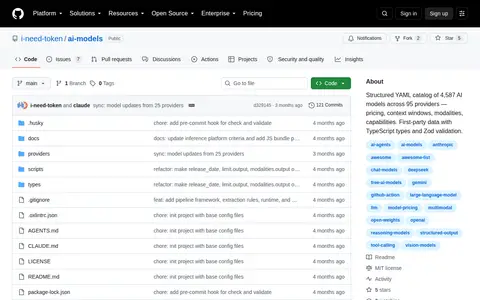
AI Models Catalog is a structured YAML catalog of AI model providers and their models, sourced from first-party APIs and official documentation. It includes TypeScript type definitions and Zod runtime validation schemas, plus scripts to sync data from providers and validate YAML files against schemas.
Analyzes structured data and helps produce queries, insights or visualizations.
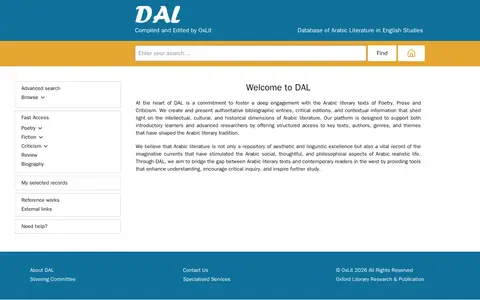
Database of Arabic Literature in English Studies (DAL) is a database compiled and edited by OxLit. It aims to advance the study, appreciation, and accessibility of Arabic literary heritage. DAL provides authoritative bibliographic entries, critical editions, and contextual information on poetry, prose, and criticism. The platform supports both introductory learners and advanced researchers with structured access to key texts, authors, genres, and themes.
Analyzes structured data and helps produce queries, insights or visualizations.