x.com
Computer History is an educational resource for learning science, history, language, geography, or general knowledge.
Directory
Published directory entries matching your search.
Computer History is an educational resource for learning science, history, language, geography, or general knowledge.

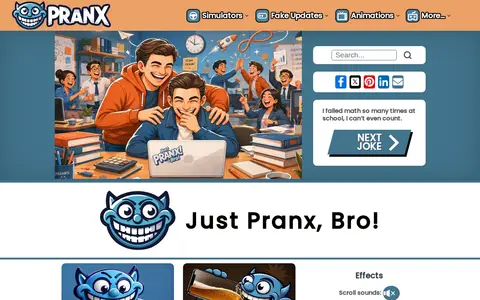
Pranx is a website offering online computer pranks to play on friends, such as opening a prank page on an unattended computer. The site notes that full screen can be toggled with F11 to hide the address bar and browser frame, and that pranks work best on a desktop computer or tablet.

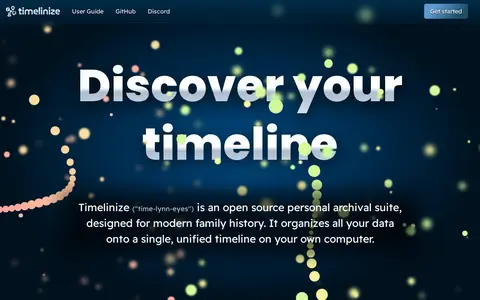
Timelinize is an open source personal archival suite for modern family history. It organizes data such as photos, videos, text messages, locations, chats and social media onto a single unified timeline on the user's own computer. The user guide notes that Timelinize is unfinished software and that new versions may not be backwards-compatible.

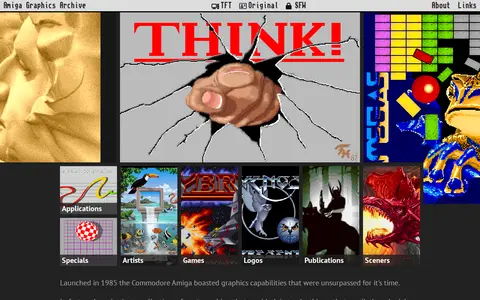
A curated gallery of pixel graphics made with or for the Commodore Amiga home computer. It showcases images in a web browser and includes articles, collections by artists, games, logos and publications. The site states that all works remain copyrighted to their respective owners.
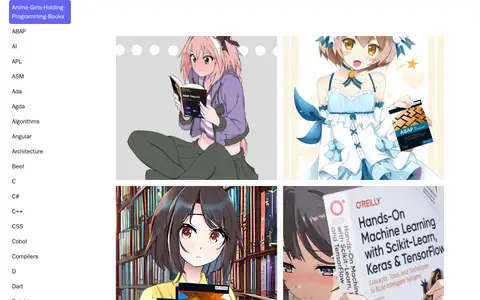
This project is a collection of image files featuring characters holding textbooks related to programming and computer science topics. The listed materials include books on ABAP, machine learning, reinforcement learning, assembly language, algorithms, deep learning and other related subjects.

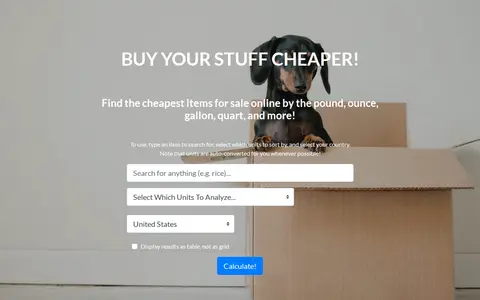
BangYourBuck is a free per-unit shopping calculator that searches online retailers and compares prices by unit value. Users enter a search and select units such as pound, ounce, gallon or quart, and the tool sorts and aggregates results. It also supports computer storage measurements in MB, GB and TB. The developer describes it as an early version with more features planned.

EveryMac.com is a reference site established in 1996 that documents technical specifications, configuration details, upgrade options, device identifiers, benchmarks and global prices for Apple computers and devices. It also offers tools to compare Macs, sort models, and look up Macs by serial number, plus a storage upgrade compatibility guide covering G3 and later Macs.

Folding@home is a distributed computing project that simulates protein motion, with volunteers donating spare computer cycles to run simulations designed by research labs. It runs on Windows, macOS and Linux, and no account is required to start. A research consortium of academic labs proposes simulation projects and analyzes the results. The project has produced peer-reviewed papers since its launch in October 2000.

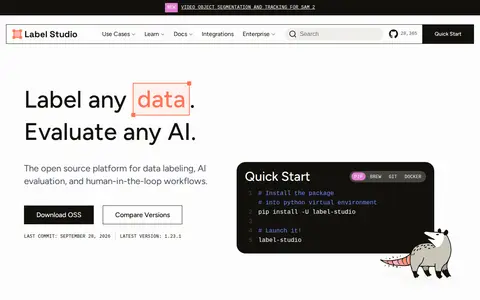
Label Studio is an open source data labeling and annotation platform for multi-modal data, including text, images, audio and time series. It lists uses such as LLM and agent evaluation, computer vision, NLP and document tasks, and audio transcription. It offers API, Python SDK and webhooks, and is available via pip, Homebrew, Git and Docker.

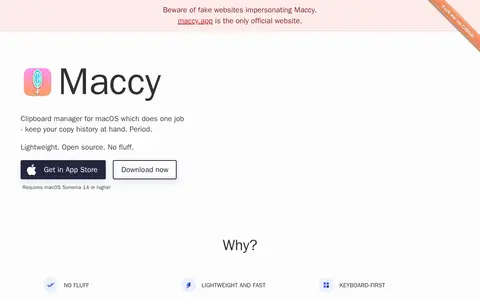
Maccy is a lightweight, open source clipboard manager for macOS that keeps copy history available for fast access. It is keyboard-first and stores everything on the computer. The source states it requires macOS Sonoma 14 or higher and is available on the App Store and GitHub under the MIT license.

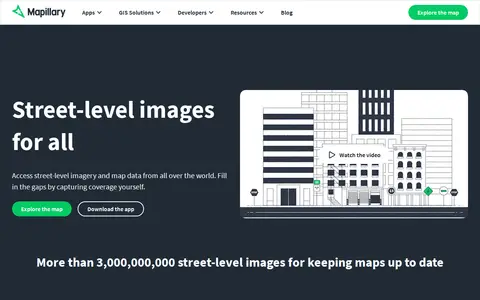
Mapillary is a platform that hosts, processes, and publishes street-level imagery and map data. It combines collaborative image contributions with computer vision to scale and automate mapping, and offers access to street-level imagery and map data from around the world.

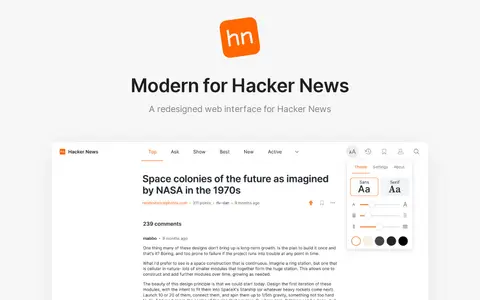
A browser extension that applies a redesigned web interface to Hacker News, with themes, fonts, styles, history, inline comments and an index view. It is free for Chrome, Firefox and Edge, runs only on desktop or laptop computers, and an optional Pro upgrade adds bookmarks, new reply badges, highlighting, user popups and a control pad.

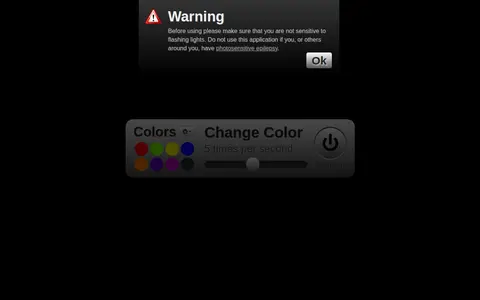
MoodLight is a free online strobe, disco, party and mood light that turns a computer screen into a color-changing light. Users choose colors to match their mood and set the color change speed. The page warns that people sensitive to flashing lights or with photosensitive epilepsy should not use the application.
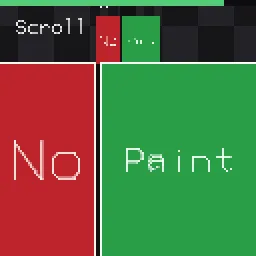
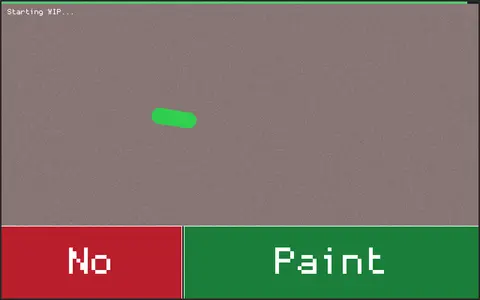
No Paint is a browser-based creative computing platform part of the Aesthetic Computer project. It enables users to create art, games, and tools using JavaScript and KidLisp, navigating via typed commands in a prompt. Users can accept or discard proposed creative outputs by pressing Paint or No. Documentation, source code, and program pieces are available via linked external repositories.

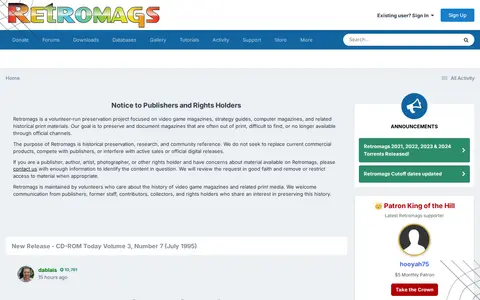
Retromags is a volunteer-run digital preservation community and archive for vintage video game magazines, computer gaming magazines, strategy guides and magazine covers. It documents out-of-print or hard-to-find print materials and offers downloads of scanned issues alongside release information and gaming history.

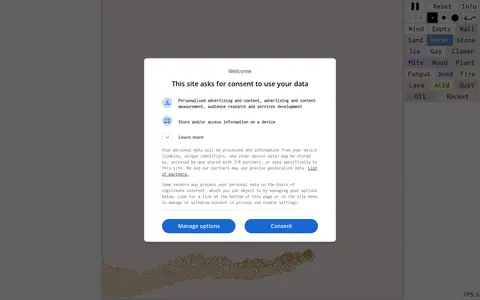
Sandspiel is a falling sand game that offers a relaxing, creative space to interact with elements including sand, water, plant and fire. It is playable on phones, tablets and computers, and allows users to share their creations with friends.

The Software Heritage archive collects publicly available software in source code form together with its development history. It aims to replicate the collected material to support preservation and to share it with those who need it. The archive grows as new source code is crawled from software projects and development forges. A web interface and API are provided.

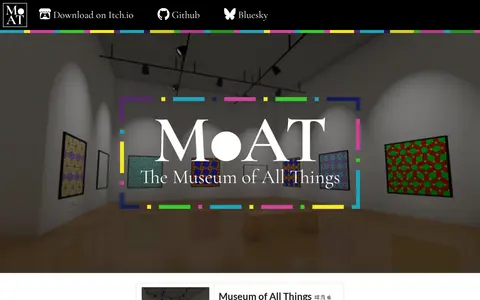
The Museum of All Things (MoAT) is a free, nearly-infinite virtual museum accessible via downloadable desktop software for personal computers. Each exhibit corresponds to a Wikipedia article, with walls displaying images and text pulled from Wikipedia and Wikimedia Commons, and hallways leading to exhibits linked from the article. It supports seven languages including English, German, French, Spanish, Japanese, Portuguese, and Bengali, and supports VR via OpenXR, though Oculus Quest is not currently supported.

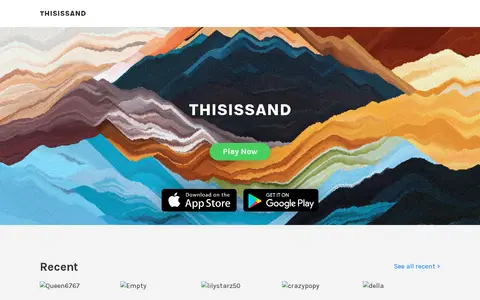
This Is Sand is a unique digital playground that lets users create and share sand art on computers or mobile devices. Users pour colored sand onto the screen to form piling sandscapes, which can be saved and shared with others.

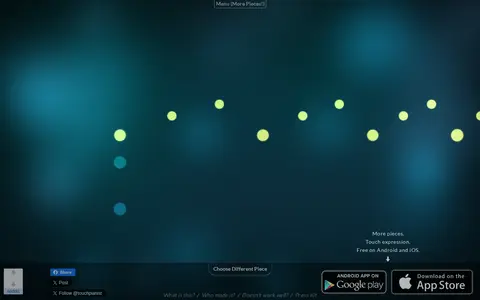
Touch Pianist is a musical toy and instrument that allows users to perform difficult classical piano pieces by tapping the rhythm of the piece's sound events on a computer keyboard or touch screen. It includes works from composers including Beethoven, Mozart, Bach, Satie and Debussy, is free on Android and iOS, and works best on the Chrome browser.

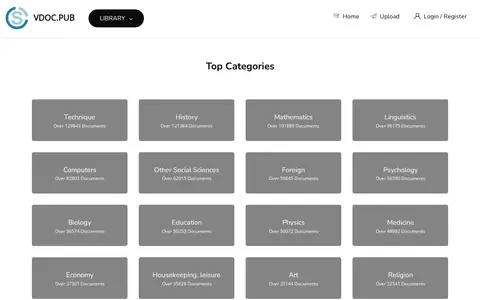
VDOC.PUB is an e-book library that offers free, downloadable e-books and documents for students. It organizes materials into categories such as technique, history, mathematics, linguistics and computers, and lists top, trending and latest documents for browsing.