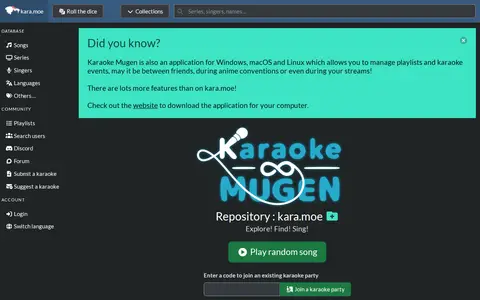

Kara.moe is a karaoke repository with a database of songs, series, singers, languages and creators. It offers a random song option and allows users to join a karaoke party by entering a session code or karaoke URL. The site lists 31,046 songs across 61 languages.
Directory
Search results
Published directory entries matching your search.
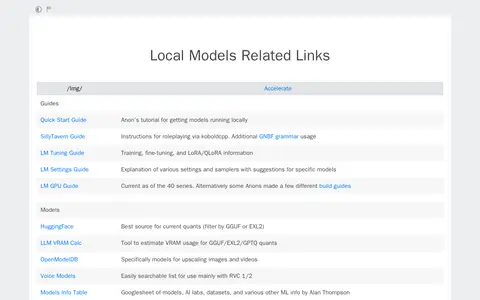
A links page listing resources related to running local language models. It gathers guides, including a quick start guide for running models locally, model sources such as HuggingFace for current quants, and inferencing frontends including Text Gen WebUI.
mp3-book is a non-English reading, font, dictionary, or language-learning resource.
Noor Book is a non-English reading, font, dictionary, or language-learning resource.
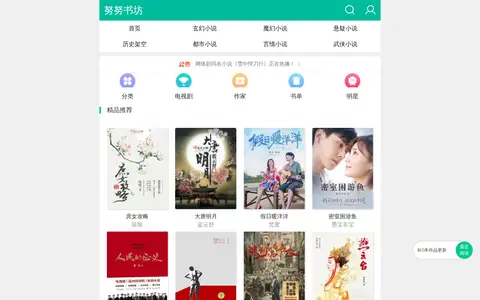
nunubook.com is a non-English reading, font, dictionary, or language-learning resource.
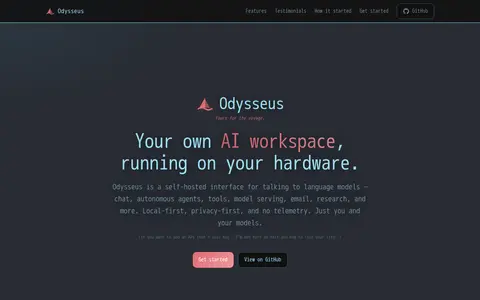
Odysseus is a self-hosted AI workspace for running language models on one's own hardware. It offers chat, autonomous agents, tools and MCP connections, model serving, an email assistant, deep research, model comparison and persistent memory. The project is described as local-first and privacy-first, with no telemetry.
PDF Books is a non-English reading, font, dictionary, or language-learning resource.
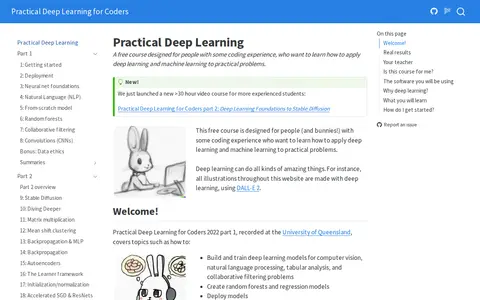
A free course for people with some coding experience who want to learn how to apply deep learning and machine learning to practical problems. It includes 9 lessons of around 90 minutes each, covering computer vision, natural language processing, tabular analysis, and collaborative filtering, plus building and training models, random forests, deployment, and use of PyTorch, fastai and Hugging Face.
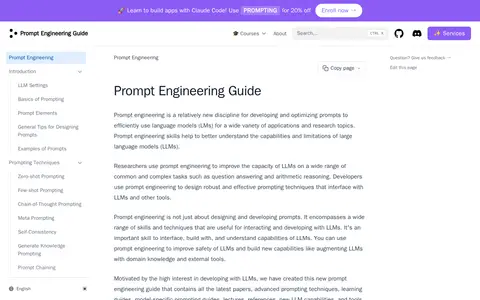
A guide to prompt engineering that collects papers, advanced prompting techniques, learning guides, model-specific guides, lectures, references, new LLM capabilities, and tools related to prompt engineering. It describes prompt engineering as a discipline for developing and optimizing prompts to use language models across applications and research topics, and offers courses on prompting and building AI agents.
Prompt Engineering Lil'Log is a blog post focused on prompt engineering for autoregressive language models. It covers methods to steer large language model behavior without updating model weights, including zero-shot prompting, few-shot prompting, and chain-of-thought prompting.
Reddit language-learning wiki with study tools, courses, dictionaries, and community resources.
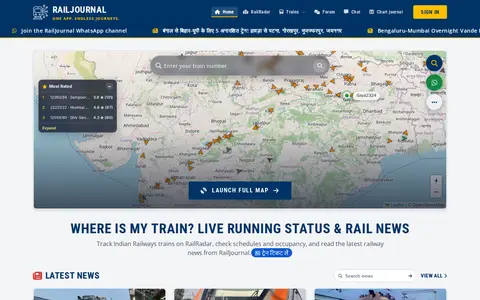
RailJournal is an Indian Railways information portal. It shows live running status through RailRadar, along with train schedules, occupancy information and railway news, including Hindi-language news items about trains and services.
Salty Leo is a non-English reading, font, dictionary, or language-learning resource.
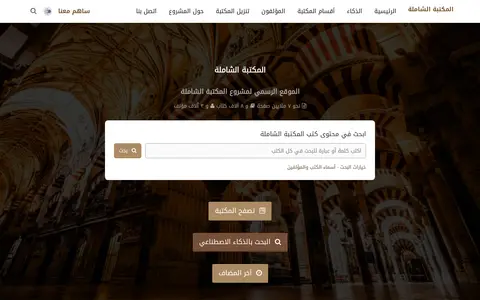
Arabic Islamic library with searchable books, texts, authors, and reference works.
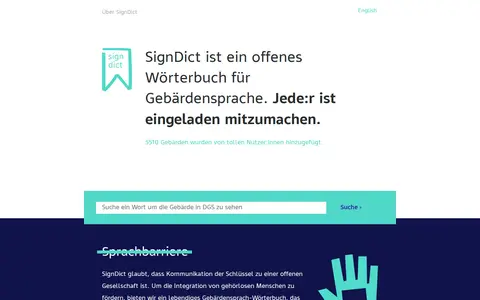
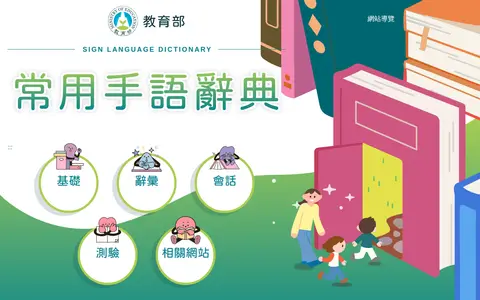
Look up sign language vocabulary through video entries.
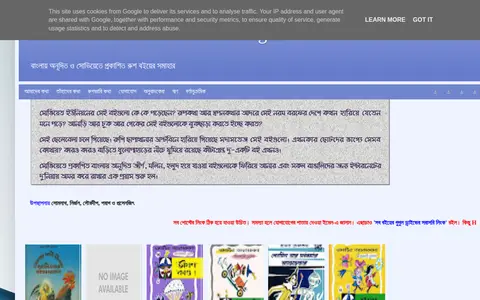
SovietBooksinBengali is a non-English reading, font, dictionary, or language-learning resource.
special.moe is a non-English reading, font, dictionary, or language-learning resource.
talebook is a non-English reading, font, dictionary, or language-learning resource.
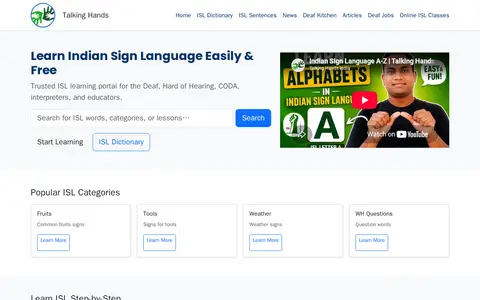
Talking Hands is a portal for learning Indian Sign Language. It offers ISL lessons, tutorials and vocabulary organized by categories, step-by-step basic sentences for daily use, and a dictionary that allows searching for signs by word.
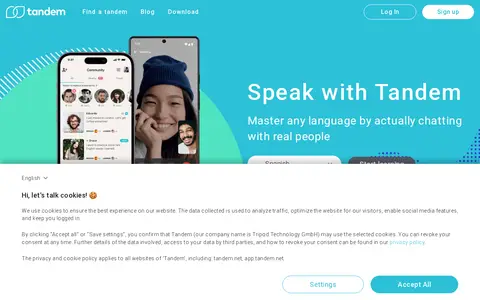
Tandem is a language exchange app where users find conversation partners. Users download the app for free, sign up, and search for partners by language, location, and interests. Conversation happens through text, voice notes, audio or video calls, with in-app correction and translation tools.
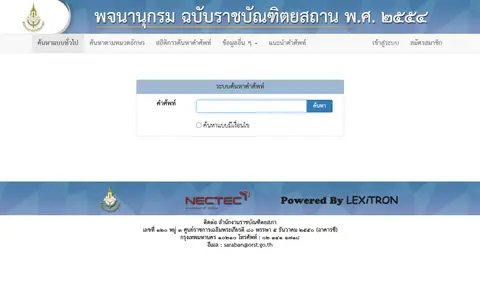
Thai Dictionary is a non-English reading, font, dictionary, or language-learning resource.
The Dark Risk of Large Language Models WIRED UK provides machine-learning models, research, training resources, or evaluation tools.
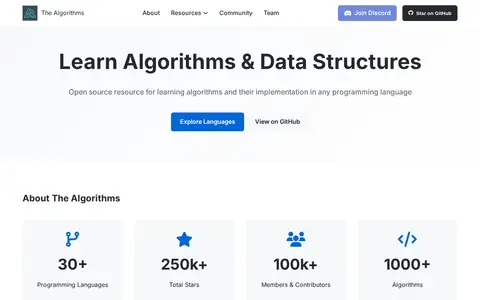
An open-source resource for learning data structures and algorithms through implementations in various programming languages. The site covers programming languages including Python, Java, JavaScript, Go, Rust, and C++, and organizes algorithms into categories such as sorting, searching, and graph algorithms. It also provides guidance on contributing implementations.
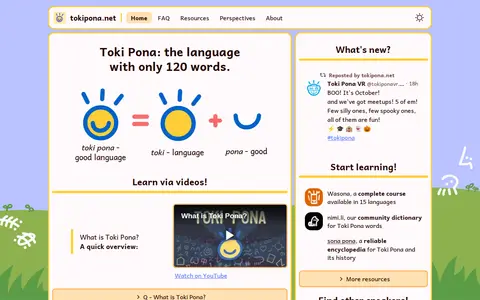
Toki Pona is a constructed language with only 120 words, presented on an official site offering videos, courses, a community dictionary and links to speaker communities. The page states the language is highly context-dependent and that speakers number in the thousands. It also lists literature, music, tools and a course available in 15 languages.