
huggingface.co
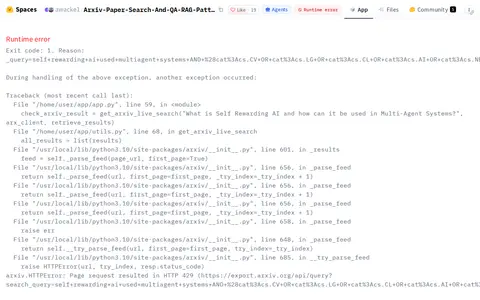
Interactive Hugging Face app that helps find, analyze or synthesize information for research and knowledge discovery.
Directory
Published directory entries matching your search.
Interactive Hugging Face app that helps find, analyze or synthesize information for research and knowledge discovery.
Paper by Dipankar Dasgupta, Deepak Venugopal and Kishor Datta Gupta.

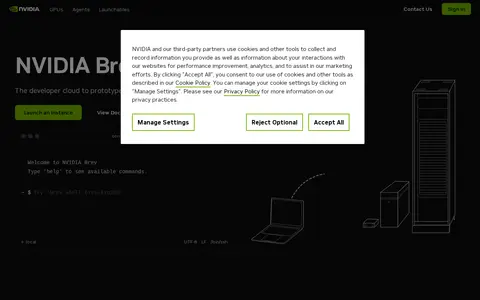
A simple guide to fine-tuning Llama 2 Brev docs provides machine-learning models, research, training resources, or evaluation tools.

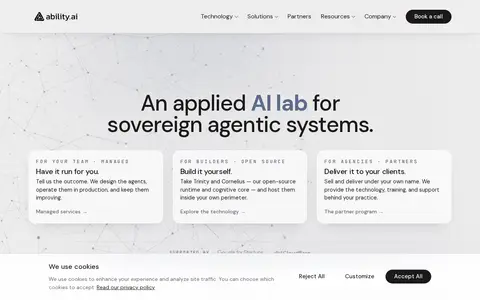
Ability AI provides machine-learning models, research, training resources, or evaluation tools.

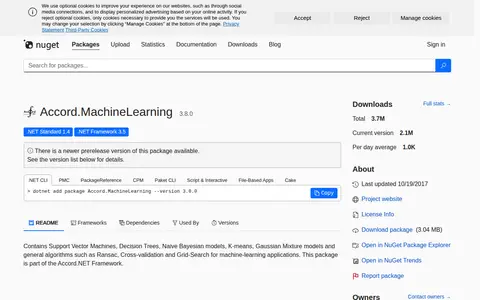
Accord.MachineLearning is a NuGet package, part of the Accord.NET Framework, that contains Support Vector Machines, Decision Trees, Naive Bayesian models, K-means, Gaussian Mixture models, and general algorithms such as Ransac, Cross-validation and Grid-Search for machine-learning applications. Version 3.8.0 targets .NET Standard 1.4 and .NET Framework 3.5.

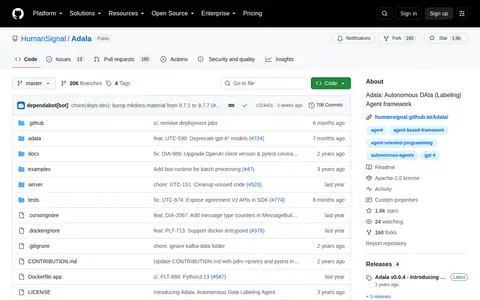
Open-source project that provides machine-learning models, research, training resources, or evaluation tools.

Open-source project that provides machine-learning models, research, training resources, or evaluation tools.
Adept AI provides machine-learning models, research, training resources, or evaluation tools.

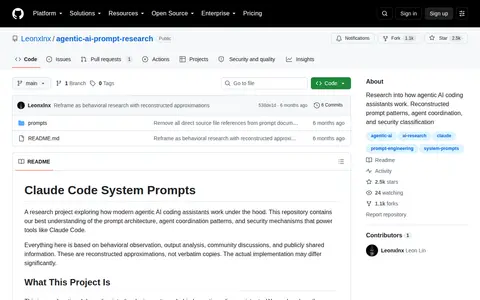
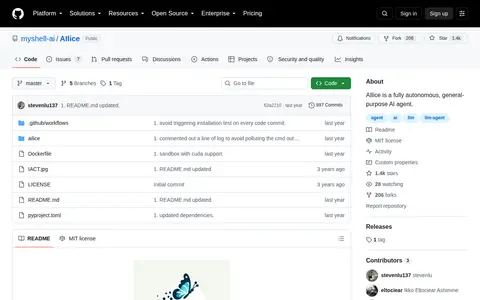
A research repository examining how agentic AI coding assistants work, covering reconstructed prompt patterns, agent coordination and security classification. It documents design patterns such as system prompts, sub-agent coordination and permission mechanisms, described as approximations based on observation rather than verbatim copies. It aims to help AI engineers and researchers learn from these architectural patterns.

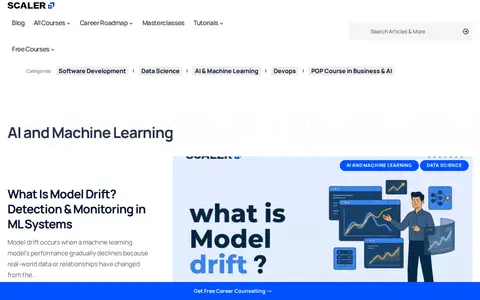
This is a Scaler blog category page collecting articles on artificial intelligence and machine learning. Posts listed include MLOps projects, becoming an AI research scientist, model drift detection and monitoring, and retrieval-augmented generation evaluation metrics. The page also links to categories such as software development and data science, and offers career counselling.
Paper published in the Proceedings of the 2023 AAAI/ACM Conference on AI, Ethics, and Society.
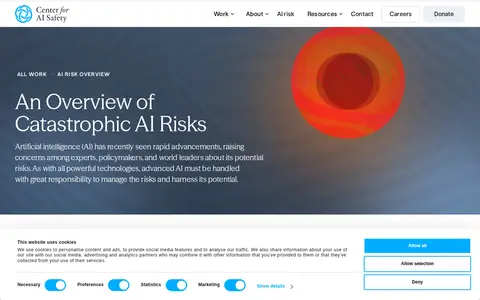
AI Risks that Could Lead to Catastrophe is a CAIS resource focused on mitigating AI risks that could cause catastrophic societal harm. It covers four key risk categories: malicious use, AI race, organizational risks, and rogue AIs. CAIS conducts related research, field-building, and advocacy projects, and operates a compute cluster to support this work.

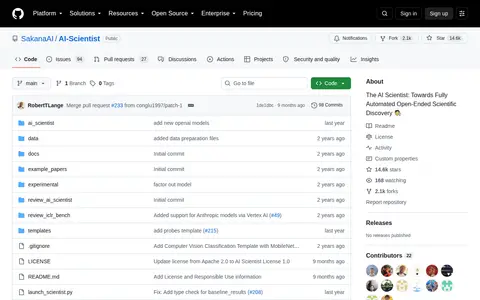
The AI Scientist: Towards Fully Automated Open-Ended Scientific.

AI Today provides machine-learning models, research, training resources, or evaluation tools.

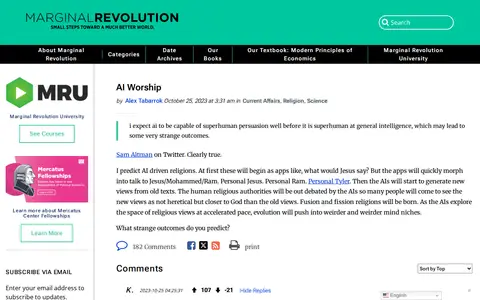
AI Worship Marginal REVOLUTION provides machine-learning models, research, training resources, or evaluation tools.

Open-source project that provides machine-learning models, research, training resources, or evaluation tools.

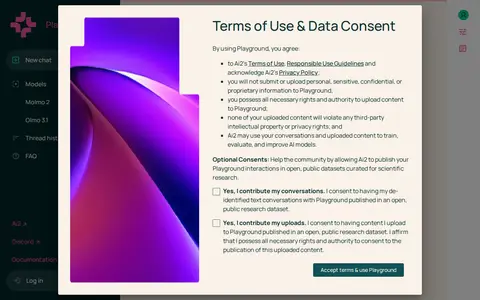
Ai2 Playground provides machine-learning models, research, training resources, or evaluation tools.

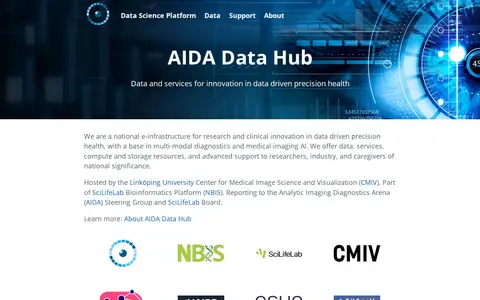
AIDA Data Hub is a Swedish national e-infrastructure for research and clinical innovation in data-driven precision health, focused on multi-modal diagnostics and medical imaging AI. It offers data, services, compute and storage resources, and support to researchers, industry, and caregivers. It is hosted by Linköping University's CMIV and is part of the SciLifeLab Bioinformatics Platform.

Open-source project that provides machine-learning models, research, training resources, or evaluation tools.

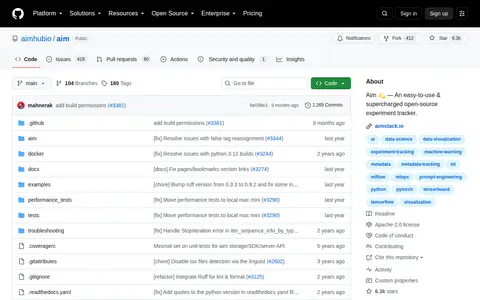
A super-easy way to record, search and compare 1000s of ML training runs.

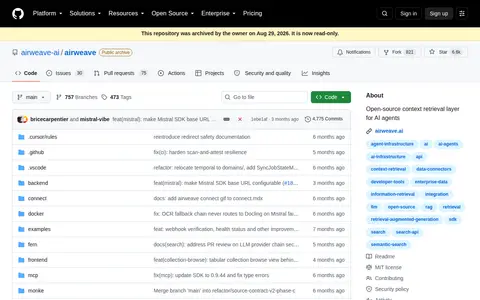
Airweave is an open-source context retrieval layer for AI agents. It aims to provide relevant context to support agent functionalities. The project is hosted on GitHub by the airweave-ai organization.

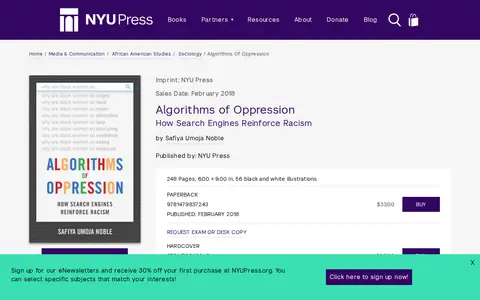
Algorithms of Oppression by Safiya Umoja Noble is a book published by NYU Press in February 2018 under the title How Search Engines Reinforce Racism. It examines how negative biases against women of color are embedded in search engine results and algorithms.

Alien Dreams: An Emerging Art Scene - ML@B Blog provides machine-learning models, research, training resources, or evaluation tools.

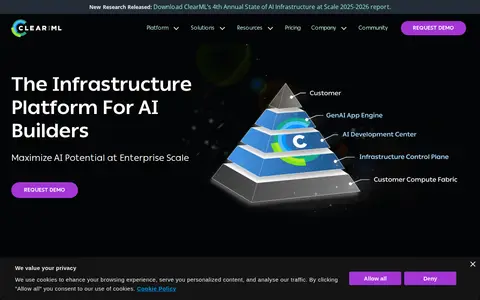
ClearML is an AI infrastructure platform organized in three layers. The Infrastructure Control Plane connects and manages GPU clusters across on-premises, cloud, and hybrid environments, with multi-tenancy, role-based access control, and billing. The AI Development Center provides a workbench for developing, training, and testing models. The GenAI App Engine deploys LLMs onto clusters, with ClearML handling networking, authentication, and security.