
github.com
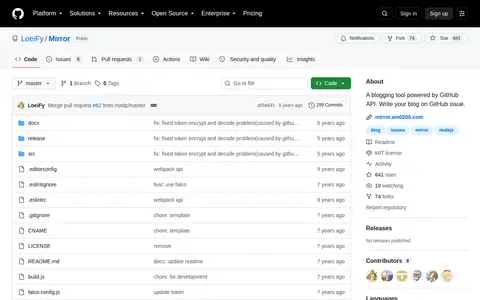
A blogging tool powered by GitHub API. Write your blog on GitHub issue.
Directory
Published directory entries matching your search.
A blogging tool powered by GitHub API. Write your blog on GitHub issue.

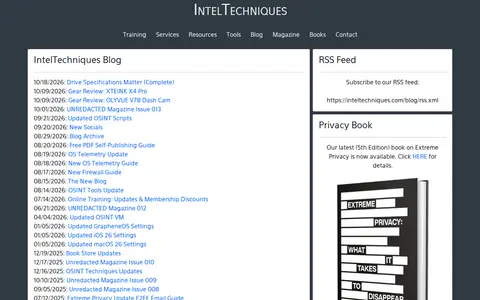
New Online Investigation (OSINT) Resources - IntelTechniques Blog is a curated OSINT or research resource with tools, guides, links, and.

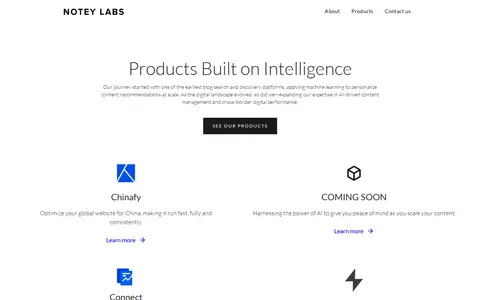
Notey Labs is a technology company focused on AI-driven content management and cross-border digital performance. It offers products including Chinafy, which optimizes a global website for China, and Ultrasite, for creating multilingual websites. The company states that its journey began with an early blog search and discovery platform that applied machine learning to personalize content recommendations at scale.

OSINT Techniques is a blog covering open-source intelligence topics, with sections on forensic OSINT, fictional accounts, books, movies, videos, tools and training. One post from 2021 presents a map tracking lower mainland gang conflict shootings in Metro Vancouver, built from news articles and law enforcement releases.

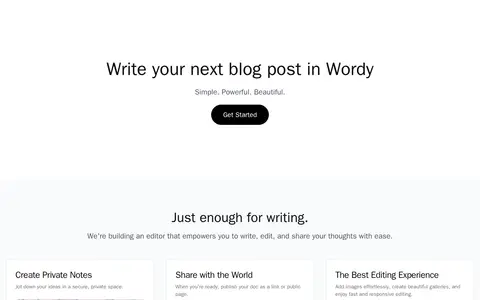
Wordy is a writing tool for drafting blog posts and private notes. Documents are stored locally, with optional account sync, and can be published as a link or public page. The tool supports adding images and galleries. The site states it is free, open source and without ads or subscriptions. Email newsletters, publishing from Notion and blog search are listed as coming soon.

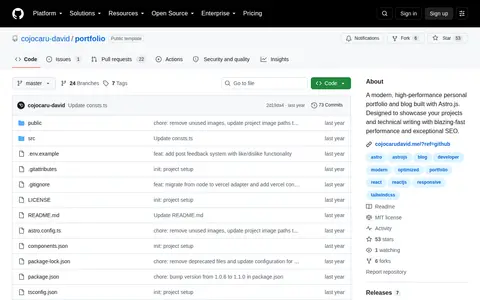
This project is a personal portfolio and blog template built with Astro.js. It is intended for showcasing projects and technical writing, and includes a blog with code highlighting, tag-based categorization, a project showcase, dark mode, responsive design, and SEO features. The stack includes React, Preact, Tailwind CSS, TypeScript and MDX; Node.js v18 or higher is required.

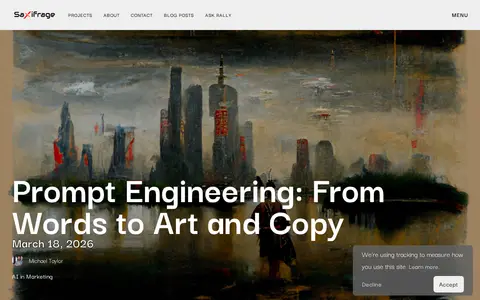
Prompt Engineering: From Words to Art - Saxifrage Blog creates or edits images with generative AI and text-based controls.

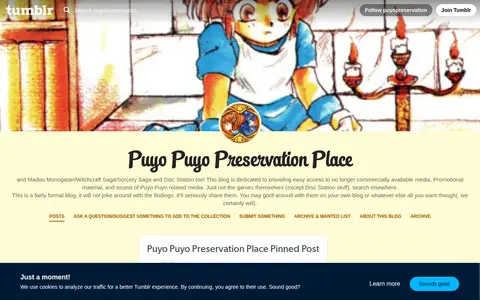
Puyo Puyo Preservation Place is a Tumblr blog that archives and shares media, promotional material, and assets related to the Puyo Puyo series and associated titles. It focuses on content no longer commercially available, excluding the games themselves except for Disc Station releases. The blog maintains an archive, a wanted list, and accepts submissions. It presents findings in a formal manner.

Social Links' OSINT blog publishes articles on open-source intelligence, AI-related fraud and disinformation. Posts include op-eds by the company's CEO and coverage of deepfake incidents and trust in media. Readers can subscribe to an email newsletter for members-only content and updates.
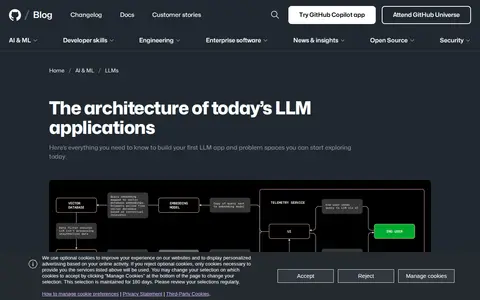
A GitHub Blog post by Nicole Choi, based on discussions with Alireza Goudarzi and Albert Ziegler, about the emerging architecture of LLM applications. It covers five steps to building an LLM app, including focusing on a single problem and choosing the right LLM, and notes that LLM outputs are probabilistic and not predictable.

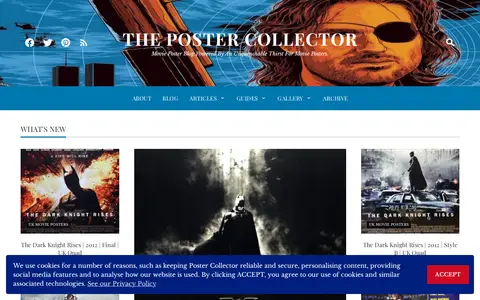
A movie poster blog presenting the collector's latest acquisitions and an archived collection of original and vintage posters from various genres, artists and countries. It includes a blog, a movie quiz, and guides on framing, shipping, restoring and preserving movie posters.

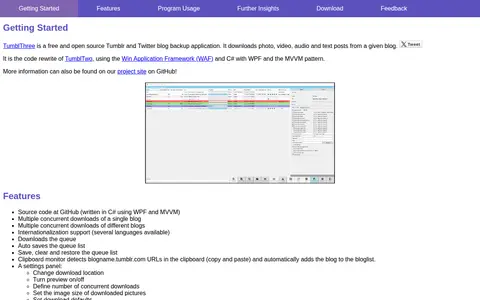
TumblThree is a free and open source Tumblr and Twitter blog backup application. It downloads photo, video, audio and text posts from a given blog, and also supports backup and download of liked posts, Tumblr search, Tumblr tag search and Twitter blogs.

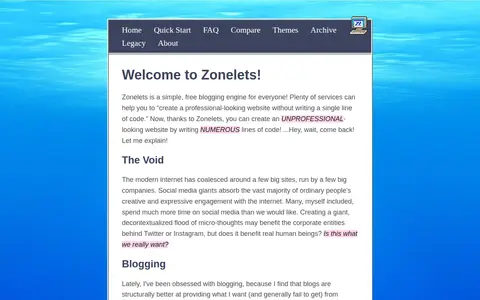
Zonelets is a free blogging engine and workflow that involves writing HTML. It is presented as an alternative to social media platforms and premium website builders, aimed at encouraging creative activity online. The project's page describes blogging and argues that centralized social media does not prioritize users' needs.

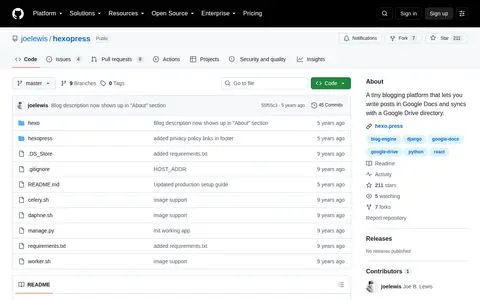
A tiny blogging platform that lets you write posts in Google Docs and syncs with a Google Drive directory.
)'s Awesome CMS is a collection of 149 open and closed source Content Management

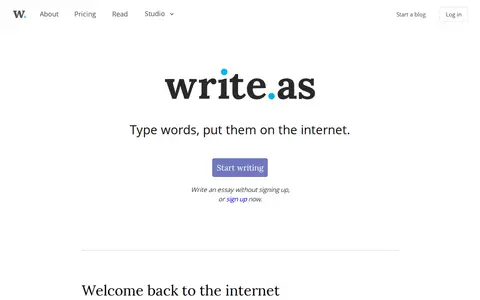
Write.as is a pared-down blogging platform focused on writing rather than content management, with a Markdown or Rich Text editor. Posts can reach readers in the browser, by email or RSS, on e-readers, and on federated platforms such as Mastodon. A paid Pro plan costs $6 per month, billed yearly.
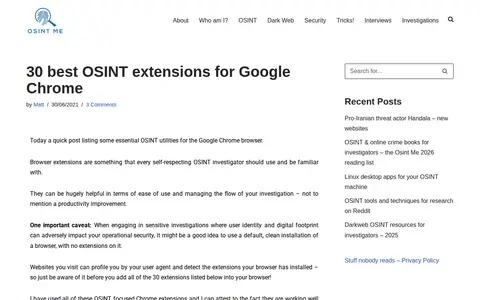
A blog post listing OSINT utilities for the Google Chrome browser. It states that browser extensions can aid investigators, recommends a clean browser installation for sensitive investigations, and includes items such as Exif Viewer Pro, Hunter Email Finder, and Instant Data Scraper.

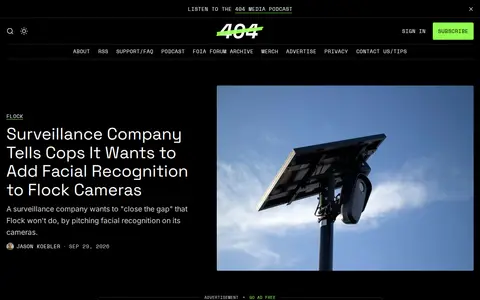
404 Media is an independent, journalist-founded digital media company that reports on how technology shapes the world. Its coverage includes hacking, cybersecurity, cybercrime, sex, artificial intelligence, consumer rights, surveillance, privacy and the democratization of the internet, through investigative reports, longform features, blogs and scoops.

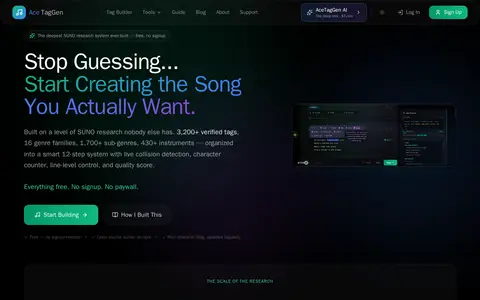
AceTagGen is a free prompt system for SUNO AI. It offers a structured 12-step Tag Builder, a library of verified tags, a prompt scorer, and a research blog with articles and guides. No signup is required.
A blog post by Matt Webb arguing that Adobe should make a boring app for prompt engineers. It discusses AI image synthesis tools like DALL-E 2, Imagen, and Midjourney, noting that prompt engineering is a new kind of expertise. The post describes Midjourney's Discord-only interface during its beta.
A personal blog by Alex Smola titled Adventures in Data Land, covering machine learning topics. Entries include efficient LLM inference tutorials, random projections, effective sample size, voice agents and evaluation, and porting MXNet to Blackwell and Apple Silicon. Posts reference events such as the Machine Learning Summer School 2026 in NYC.

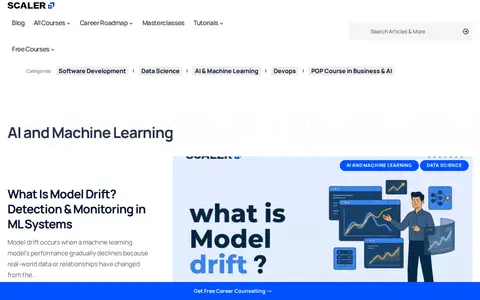
This is a Scaler blog category page collecting articles on artificial intelligence and machine learning. Posts listed include MLOps projects, becoming an AI research scientist, model drift detection and monitoring, and retrieval-augmented generation evaluation metrics. The page also links to categories such as software development and data science, and offers career counselling.

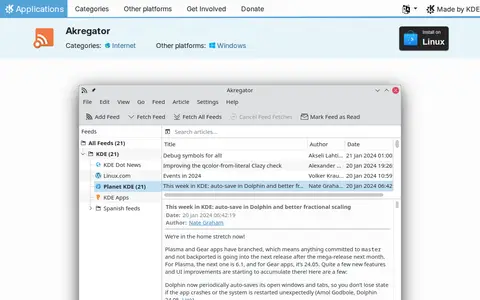
Akregator is a news feed reader for following news sites, blogs and other RSS/Atom-enabled websites without manually checking for updates in a web browser. It is designed for reading hundreds of news sources and includes a fast search, advanced archiving functionality and an internal browser. It is available on Linux and Windows.

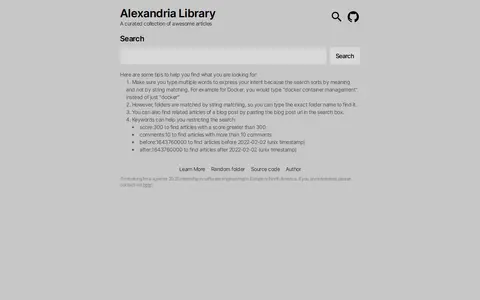
Alexandria Library is a search interface for a curated collection of articles. It sorts results by meaning rather than string matching, so multiple words should express intent. Folders are matched by exact string, and pasting a blog post URL finds related articles. Keyword filters include score, comments, and before/after Unix timestamps.