vx-underground.org
Historical malware archive mirrored by vx-underground for research and preservation.
Directory
Published directory entries matching your search.
Historical malware archive mirrored by vx-underground for research and preservation.
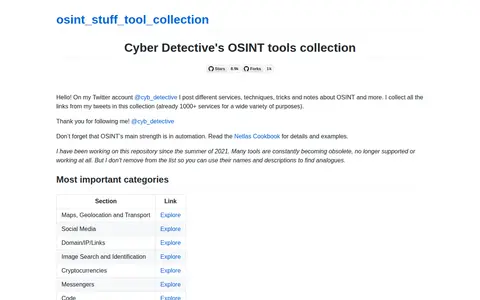
Cipher387's large OSINT tool collection covering social media, domains, people, maps, and more.

Start.me toolbox with anti-money-laundering, sanctions, corporate, and financial investigation resources.

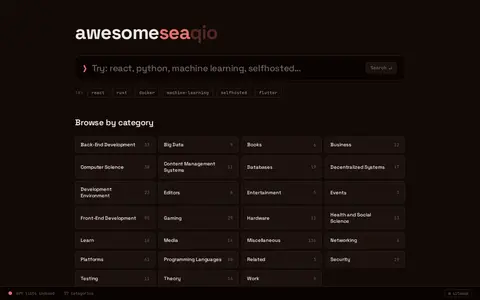
Directory for browsing curated awesome lists, developer resources, and topic collections.

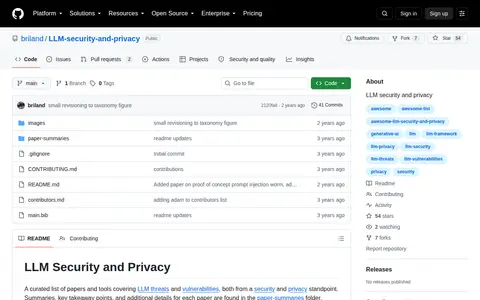
A curated GitHub list of papers and tools covering LLM threats and vulnerabilities from a security and privacy standpoint. It includes paper summaries, key takeaway points, citations in a bib file, and frameworks and taxonomies such as OWASP Top 10 for LLM Applications.

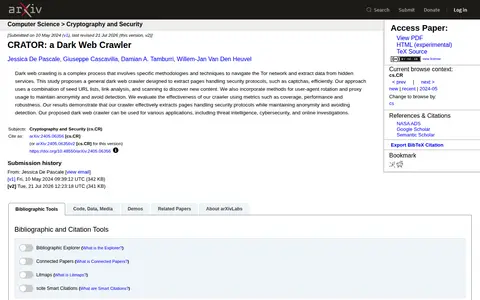
CRATOR is a proposed dark web crawler described in an arXiv paper. It is designed to extract pages that handle security protocols such as captchas, using seed URL lists, link analysis and scanning to discover content, with user-agent rotation and proxy usage for anonymity. The authors report evaluation using coverage, performance and robustness metrics, and suggest threat intelligence, cybersecurity and online investigation applications.

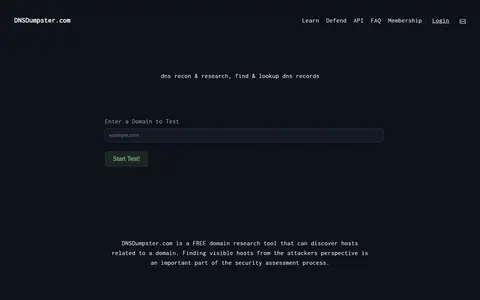
A free domain research tool that discovers hosts related to a domain and looks up DNS records. It presents visible hosts from an attacker's perspective for red and blue teams, and is intended for reconnaissance, penetration testing, bug bounties, threat analysis and network OSINT.

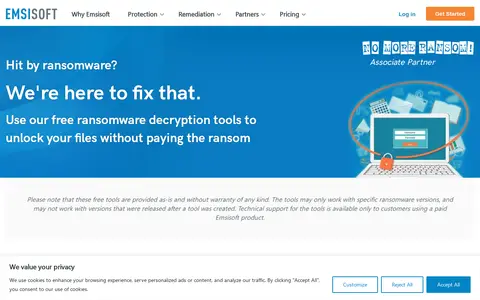
Emsisoft ransomware decryptor page for Avaddon recovery information and related security tooling.
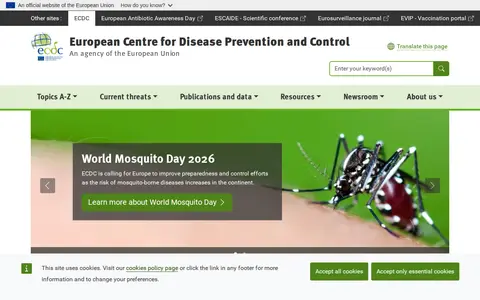
ECDC collects, analyses and shares data on over 50 infectious disease topics. Its experts assess risks to Europe and give guidance to help countries prevent and respond to outbreaks and public health threats. The site publishes updates, surveillance reports and assessments.

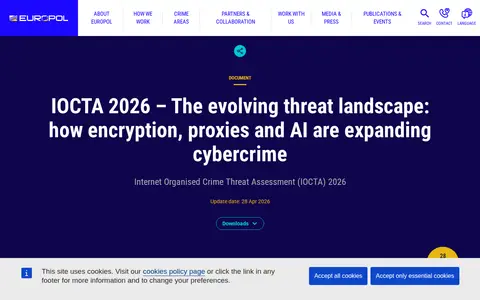
Europol assessment of online organized crime, including criminal services and dark-web developments.
Search tool for finding GitHub awesome lists, curated repositories, and developer collections.

ANY.RUN sandbox for interactive malware analysis, behavior monitoring, and file investigation.
Cloud malware scanning page for checking suspicious files against online detection services.

isMalicious checks IPs, domains, URLs, emails, phones and crypto wallets against indexed threat indicators. It returns verdicts with contributing sources, categories and a risk score from 0 to 100 in a JSON response. Data is available through a REST API, STIX/TAXII feeds and an MCP integration for AI assistants. A free plan allows 50 lookups per month.

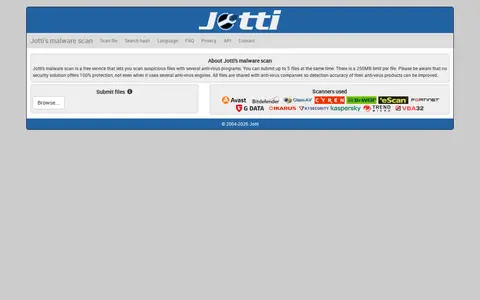
Jotti's malware scan is a free service that scans suspicious files with several anti-virus programs. Users can submit up to five files at once, with a 250MB limit per file. Files are shared with anti-virus companies so their products' detection accuracy can be improved.
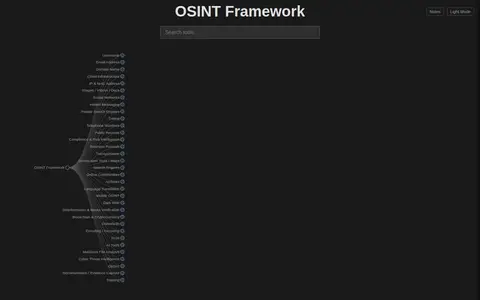
A framework focused on gathering information from free tools or resources, intended to help people find free OSINT resources. It was originally created from an information security point of view.

Curated collection of Canadian OSINT resources, public records, tools, and investigation links.

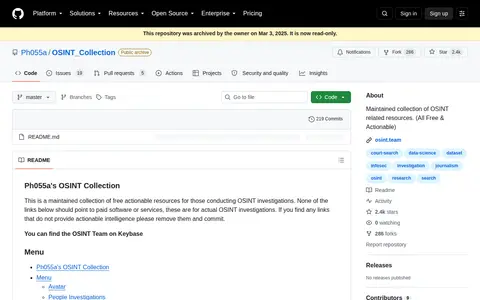
GitHub OSINT collection with tools, links, and resources for online investigation workflows.
PhishStats is a phishing database and real-time feed used in cybersecurity research since 2014. It allows searching phishing URLs, IPs, domains and threat scores via a web interface or REST API, with API access subject to tier quotas.
Open-source tracker monitoring ransomware leak sites and publishing structured status data.

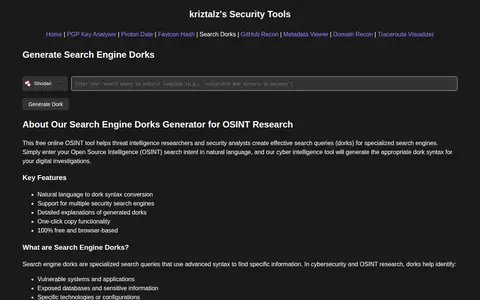
SearchDorks is a free, browser-based OSINT tool that converts natural language search intent into dork syntax for Shodan, Censys, Google, FOFA and ZoomEye. It is aimed at threat intelligence researchers and security analysts, offers explanations of generated dorks and one-click copying, and does not store queries.

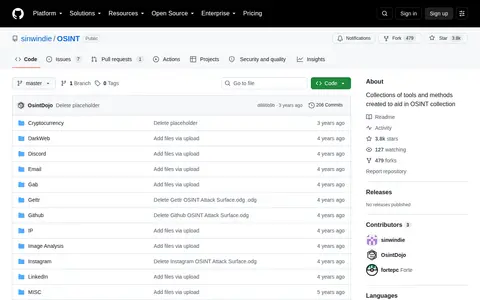
GitHub OSINT collection with tools, links, checklists, and resources for online investigations.
Privacy and OSINT article about reducing oversharing and protecting personal information online.

ACS Stop the Bleed offers training courses on controlling life-threatening bleeding. The course covers recognizing bleeding and three techniques: direct pressure, wound packing and tourniquet application. Online and virtual options are available, and instructors teach in person with training materials.