


Legacy site of the Journal of Applied Econometrics Data Archive, hosted by Queen's University Economics Department from 1994 until late 2022. Replaced by a new archive holding all data from this site plus data for papers accepted after late 2022. Data on the legacy site remains accessible for now.
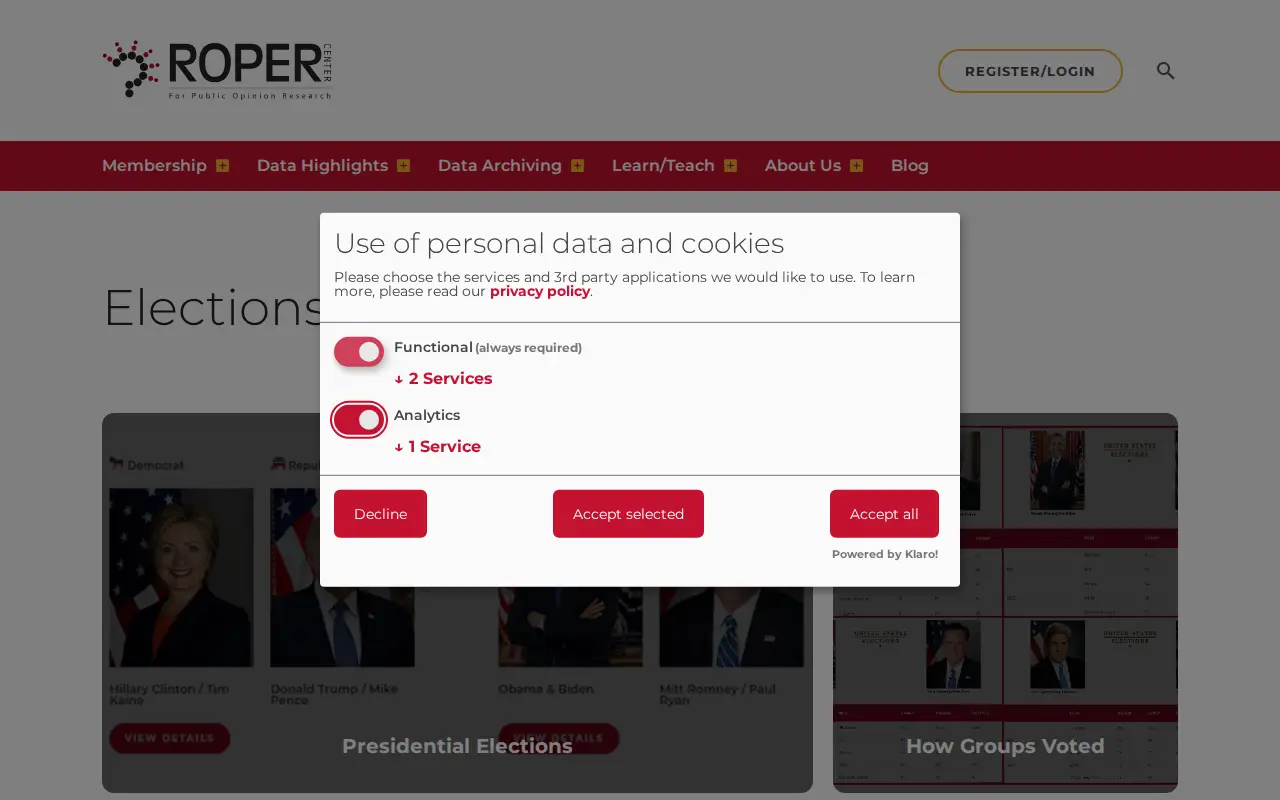
Roper Center for Public Opinion Research: Elections and Presidents
This is the Elections and Presidents data highlights section of the Roper Center for Public Opinion Research. It provides access to resources related to US presidential elections and public opinion, including historical polling data, exit polls, and presidential approval metrics.
Links
Tags
-
0Legacy site of the Journal of Applied Econometrics Data Archive, hosted by Queen's University Economics Department from 1994 until late 2022. Replaced by a new archive holding all data from this site plus data for papers accepted after late 2022. Data on the legacy site remains accessible for now.
-
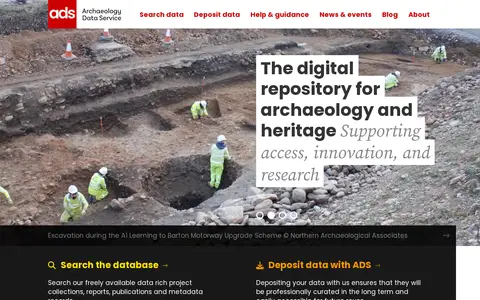
0The Archaeology Data Service is a digital repository for archaeology and heritage, supporting access, innovation and research. It offers freely available project collections, reports, publications and metadata records, and accepts deposited data for long-term curation. Instructions for depositors cover dataset structure, file naming and metadata.
-
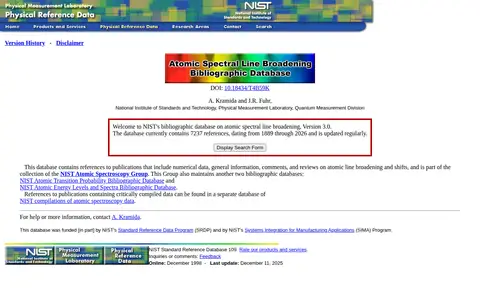
0A NIST bibliographic database that contains references to publications including numerical data, general information, comments and reviews on atomic line broadening and shifts. It is part of the collection of the NIST Atomic Spectroscopy Group.
-
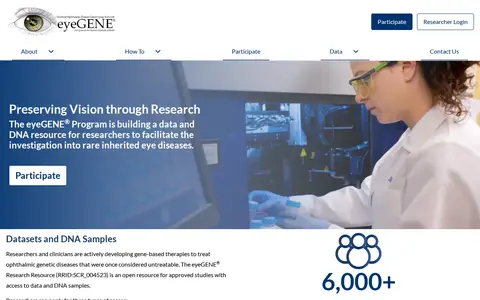
0The eyeGENE Program is building a data and DNA resource for researchers to investigate rare inherited eye diseases. Approved studies can apply for access to datasets covering demographics, genetics and clinical data, or to both datasets and DNA samples. Researchers may also contact potential participants for other studies.
-
0Search basic in biology and medicine data collections and supporting dataset from CHE.
-
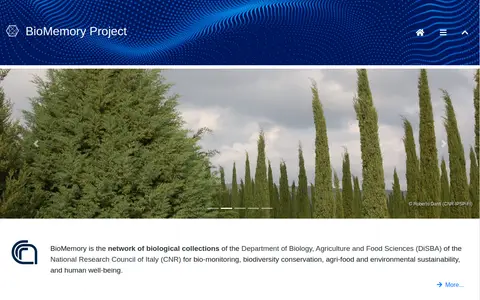
0BioMemory is a CNR project presenting a map of BioMemory collections. The listed collections are hosted by CNR institutes and cover bioresources such as herbaceous plants, trees, bacteria and DNA, animal blood, milk and tissues, filamentous fungi, plant parasitic and entomopathogenic nematodes, plant viruses and viroids, and grapevine varieties and clones. Collection types include field, cryopreserved and seed collections.
Community notes
Reviews and discussion
No reviews yet
Be the first to share how this project worked for you.
Join the discussion
Sign in with a verified account to leave a review or join the discussion.
Sign in to review