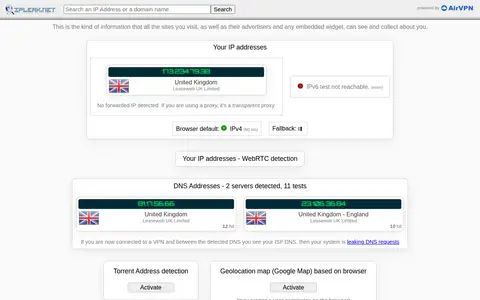

IPLeak.net is a diagnostic page that shows the IP addresses, DNS resolvers, WebRTC and torrent address information a visitor's system exposes to websites. It also explains WebRTC and DNS leaks and lists request details such as user agent and headers.

Directory
Search results
Published directory entries matching your search.
MiroTalk P2P is an open-source self-hosted WebRTC video calling and meeting platform. It supports peer-to-peer video calls with screen sharing, chat, whiteboard and collaboration in the browser. The project is released under AGPLv3 and states unlimited conference rooms without call time limitation.
MiroTalk P2P is an open-source self-hosted WebRTC video calling and meeting platform. It provides peer-to-peer calls with screen sharing, chat, whiteboard and collaboration in the browser. Calls require no download, plug-in, or login.
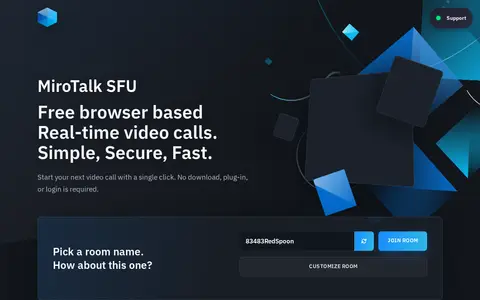
MiroTalk SFU is an open-source, self-hosted WebRTC video conferencing platform powered by Mediasoup. It offers browser-based real-time video calls with screen sharing, chat, recording, a collaborative whiteboard, file sharing and RTMP streaming. It is released under the AGPLv3 license and states no download, plug-in or login is required.
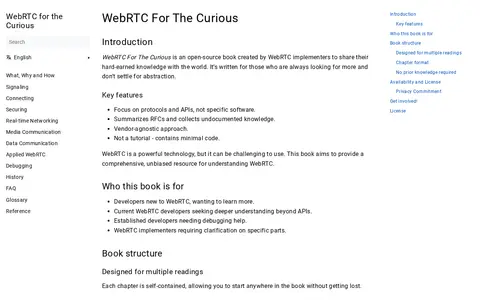
WebRTC For The Curious is an open-source book created by WebRTC implementers. It focuses on protocols and APIs rather than specific software, summarizes RFCs and collects undocumented knowledge, and is vendor-agnostic. It is not a tutorial and contains minimal code.

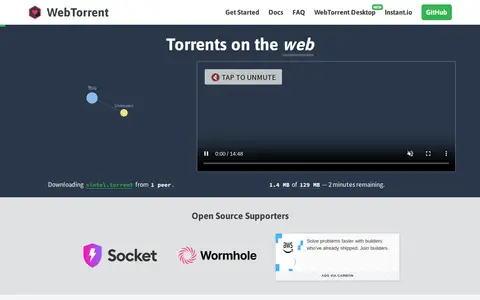
WebTorrent is a streaming torrent client for the web browser, Mac, Windows and Linux, written in JavaScript and using WebRTC for peer-to-peer transport where possible. Browser use requires WebRTC support and no plugins or installation. WebTorrent Desktop streams torrents so playback can begin before the download finishes.
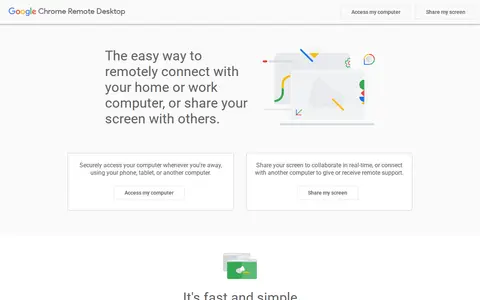
Chrome Remote Desktop is a remote desktop service developed by Google. It allows users to securely access their home or work computers from phones, tablets, or other computers when away from the device, and to share screens for real-time collaboration or remote support. The service is built on Google's infrastructure and uses open web technologies including WebRTC.

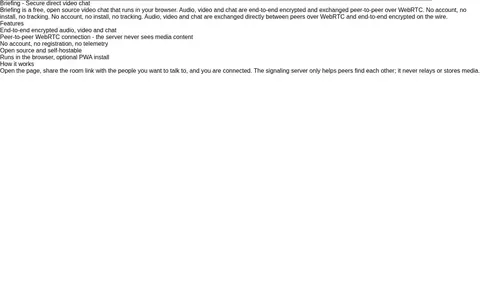
Briefing is a free browser-based video chat. Audio, video and chat are end-to-end encrypted and exchanged peer-to-peer over WebRTC. No account, install or tracking is required, and the software is self-hostable.
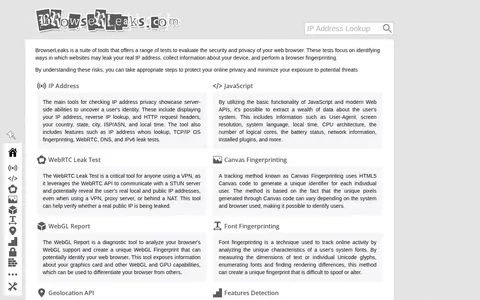
BrowserLeaks is a suite of browser-based tools that test browser security and privacy. The tests identify ways websites may reveal a real IP address, collect device information and perform browser fingerprinting. Tools include IP address display, reverse IP lookup, HTTP header, country, ISP and local time checks, plus WebRTC, DNS and IPv6 leak tests. A Features Detection tool lists HTML5 feature support.
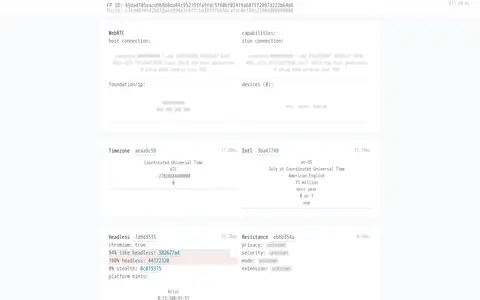
A browser fingerprinting test page that reports a range of signals, including timezone, Intl data, headless-browser and stealth percentages, WebRTC connection details, WebGL, screen properties, canvas, audio, fonts, speech and media information. It also lists JS/DOM, CSS and window feature results and provides a test interface with sections for workers, iframes, fonts, timezone and extensions.
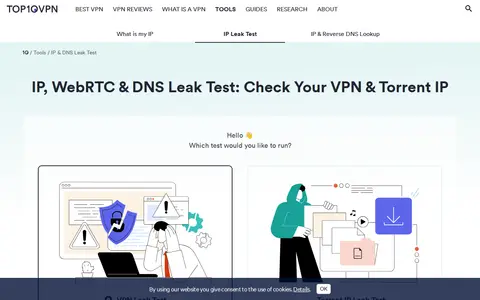
A tool that checks whether a VPN or proxy is leaking IP or DNS information. It offers a VPN leak test covering IPv4, DNS, WebRTC and geolocation leaks, and a torrent IP leak test that checks which IP address and DNS server a torrent client uses.
GoTeam provides browser-based video meetings, calls, or collaboration rooms.
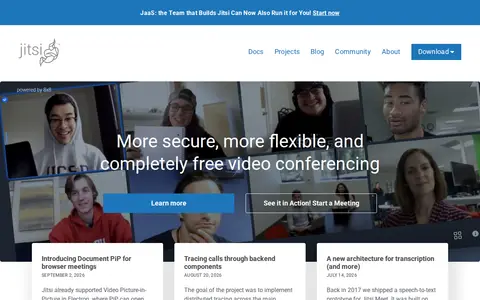
Jitsi is a free open-source video conferencing software for web and mobile. It supports making calls, launching on one's own servers, and integrating into apps. The project states that meetings on meet.jit.si are limited to 95 minutes starting October 9, 2026.
Linkello provides browser-based video meetings, calls, or collaboration rooms.
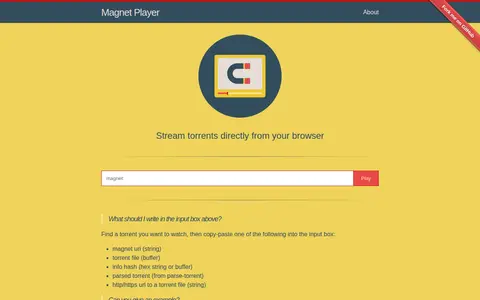
Magnet Player is a browser-based tool that streams torrents directly using WebTorrent. Users paste a magnet link, torrent file, info hash, or HTTP/HTTPS URL to a torrent file, and the player streams video via peer-to-peer WebRTC. It displays download and seeding speeds and allows sharing a video URL.
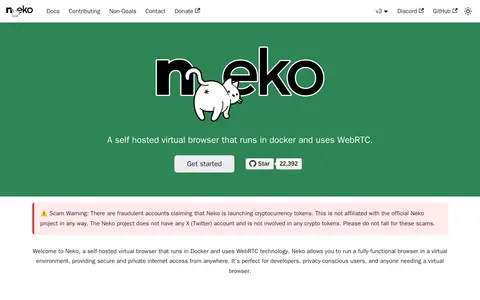
neko (stylized as n.eko) is a self-hosted virtual browser that runs in Docker using WebRTC technology. It supports use cases including watch parties, interactive presentations, collaborative work, teaching, content embedding, automated browsing, ultra-low-latency streaming, multi-participant control, and live broadcasting.
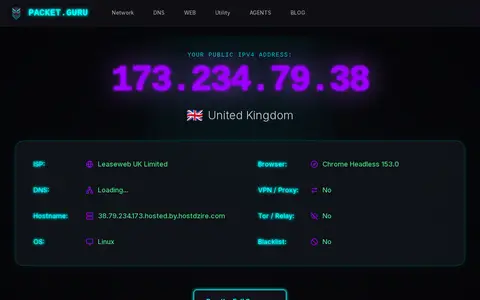
packet.guru is a public website offering browser privacy and network diagnostic tools. It checks user IP and location, provides Privacy and Trust scores, free DNS, WebRTC and browser-fingerprint leak tests, plus 25 network tools. The tool suite is organized into Network, DNS, WEB and Utility categories for professional use, with tools including ping, traceroute, whois, DNS lookup, URL encoder/decoder, HTTP header checks and base64 encode/decode functions.
PeerTube is a free software tool developed by Framasoft that allows creating a video hosting website on a web server. It connects platforms into a network of autonomous, interconnected hosting providers using ActivityPub, and relies on peer-to-peer broadcasting based on WebRTC. A mobile application is also available.
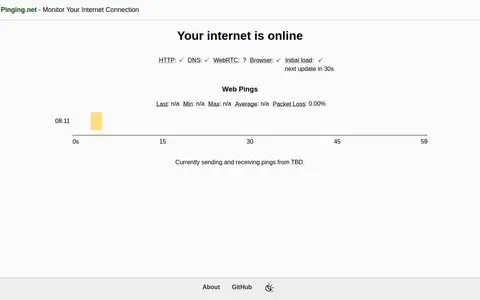
Pinging.net is a web tool for testing and monitoring an internet connection. It reports status for HTTP, DNS, WebRTC and the browser, and shows web ping statistics including last, minimum, maximum and average values and packet loss, with updates every 30 seconds.
A browser-based screen sharing app built on the WebRTC standard. It requires no install or registration and is intended for sharing apps, games and videos with friends, with support for an audio broadcast and a PRO stream option.
Screensy is a peer-to-peer screen sharing tool that runs in a web browser. It requires browser support for screensharing, WebSocket, WebRTC and MediaStream, and it connects users over a WebSocket connection. Access to the screen must be granted for sharing to work.
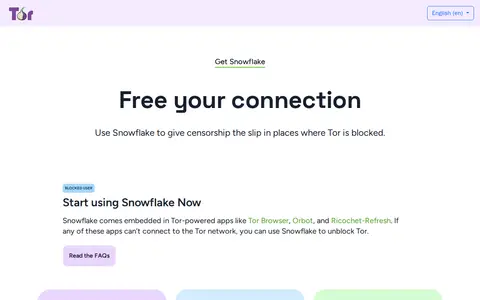
Snowflake is a censorship circumvention tool from the Tor Project that connects users to the Tor network where Tor is blocked by routing connections through volunteer proxies in uncensored countries. It disguises traffic as a video or voice call using WebRTC. It comes embedded in Tor Browser, Orbot, and Ricochet-Refresh, and users can deploy proxies via a browser add-on or standalone software.
Simple browser-based video chat service for quick rooms and screen sharing.
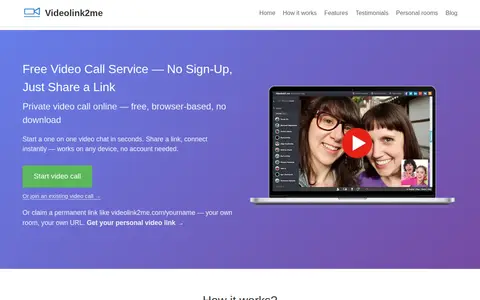
Videolink2me provides browser-based video meetings, calls, or collaboration rooms.