
github.com
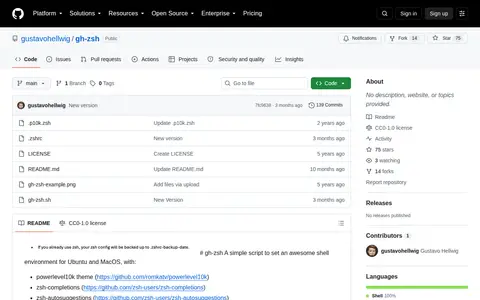
Auto Setup is an open source Linux, macOS, or Unix resource with code, tools, or setup notes.
Directory
Published directory entries matching your search.
Auto Setup is an open source Linux, macOS, or Unix resource with code, tools, or setup notes.

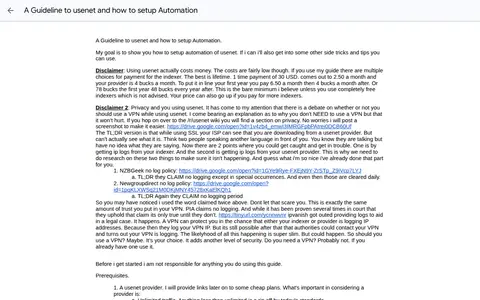
Usenet Guide / Automation Setup is a public Google document or spreadsheet containing organized links, notes, data, or resources.

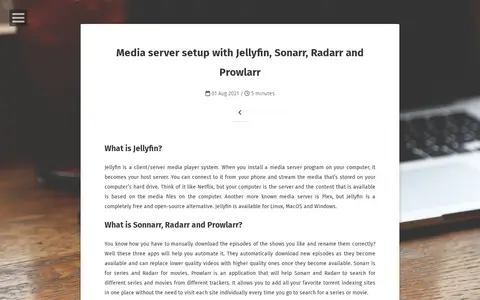
A guide describing a home media server setup using Jellyfin along with Sonarr, Radarr and Prowlarr. It explains that Jellyfin is a free and open-source client/server media player system available for Linux, MacOS and Windows, and that Sonarr, Radarr and Prowlarr automate downloading episodes and movies. The page covers Jellyfin configuration steps and interface setup.
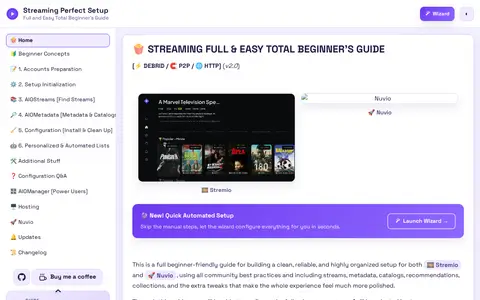
A beginner-oriented guide for configuring Stremio and Nuvio with streams, metadata, catalogs, recommendations and collections. It describes Debrid, P2P and HTTP stream types and a quick automated setup wizard that configures settings.

Auto Install / Update is an open source Linux, macOS, or Unix resource with code, tools, or setup notes.

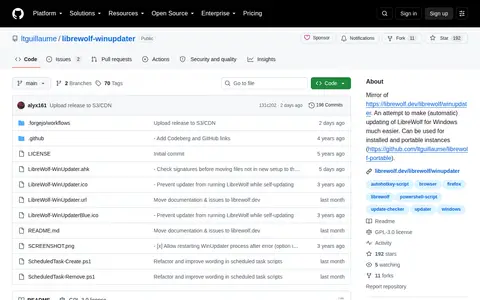
Auto-Updater is a code project with source, releases, documentation, or setup notes.

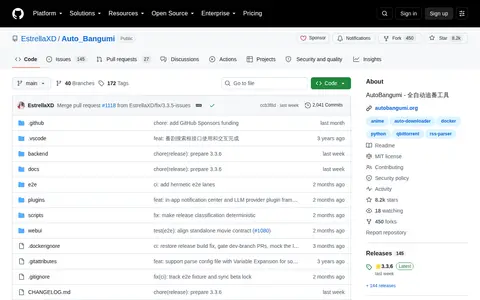
AutoBangumi is a code project with source, releases, documentation, or setup notes.

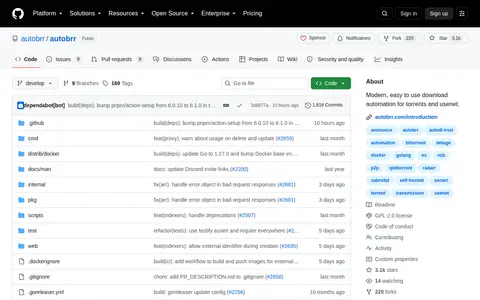
Autobrr is a code project with source, releases, documentation, or setup notes.

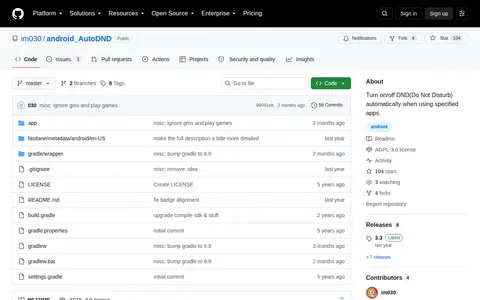
AutoDND is a code project with source, releases, documentation, or setup notes.

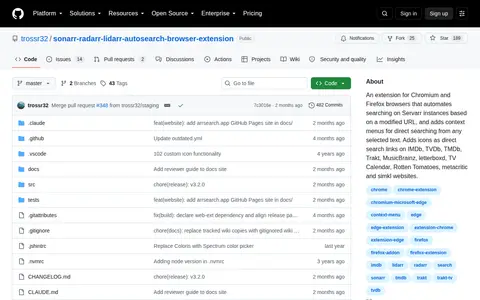
Autosearch Extension is a code project with source, releases, documentation, or setup notes.

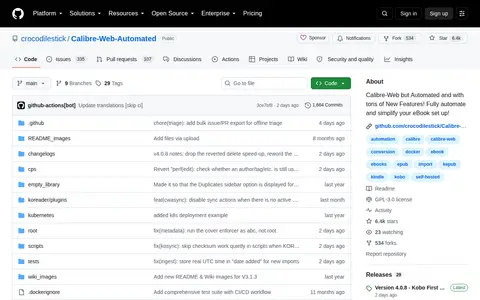
Calibre-Web-Automated is a code project with source, releases, documentation, or setup notes.

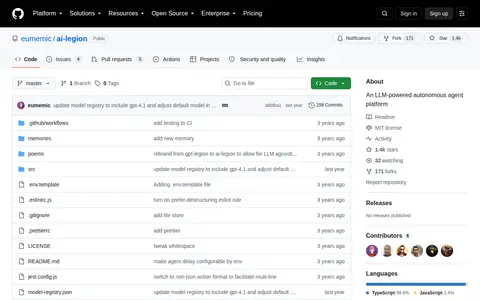
AI Legion is an open-source, LLM-powered autonomous agent platform hosted on GitHub. The repository provides code and documentation for building and running autonomous agents. It includes setup instructions, action error handling, and agent state management. The project is developed by eumemic and encourages community contributions.

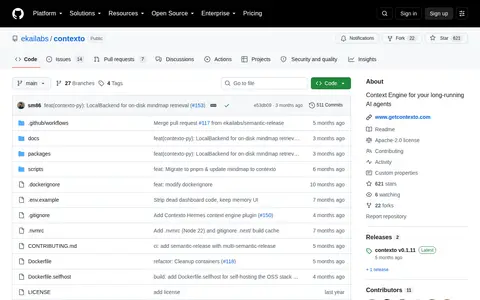
Contexto is a context engine plugin for long-running OpenClaw and Hermes agents. It stores full episodes and retrieves relevant context after the context window fills, instead of losing constraints to summaries. It separates topics with semantic clustering and surfaces explainable paths. Managed hosting is available, and a fully local setup is documented.

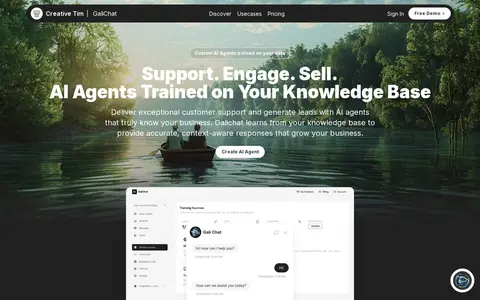
Gali Chat is a platform offering AI agents for business growth, focused on customer support, engagement and lead generation. Its agents are trained on a user's knowledge base, supporting over 50 languages, with a no-code setup process that takes approximately 3 minutes. Users can import knowledge bases from websites, PDF, Word and Excel files. The platform states its agents operate 24/7.

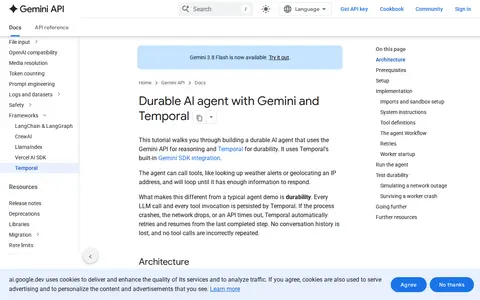
Gemini and Temporal Durable Agent is a Google AI for Developers resource providing guidance on building durable AI agents using the Gemini API and Temporal. It includes documentation covering architecture, prerequisites, setup, implementation steps, system instructions, tool definitions, agent workflow configuration and retry handling.

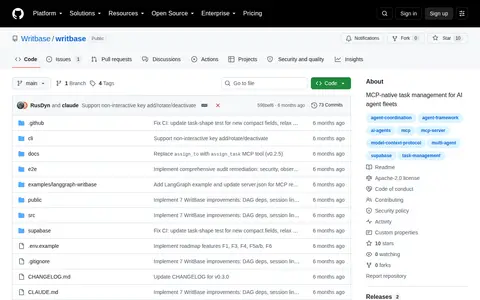
WritBase is an MCP-native task management system for AI agent fleets. It provides a control plane for AI agents and human supervisors, with a persistent task registry stored in Postgres, scoped permissions, inter-agent delegation, and full provenance. Agents connect via the Model Context Protocol, and setup can use npx commands with Supabase.

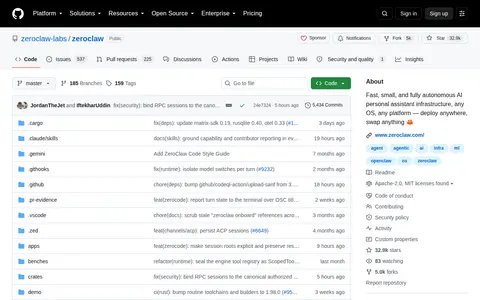
ZeroClaw is an agent runtime distributed as a single Rust binary that users configure and run. It connects to LLM providers such as Anthropic, OpenAI and Ollama, reaches users through channels including Discord, Telegram, Matrix, email, voice and webhooks, and acts through tools including shell, browser, HTTP, hardware and custom MCP servers. A quickstart command performs one-shot setup to pick a provider and write a working config.
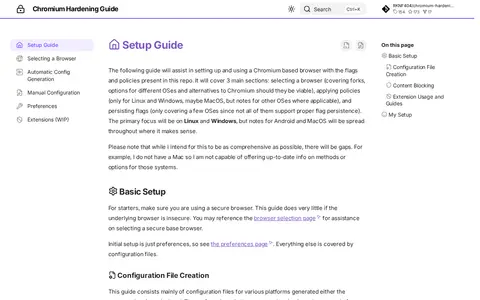
Chromium Hardening Guide is a setup guide for using a Chromium-based browser with flags and policies. It covers selecting a browser, applying policies and persisting flags, with primary focus on Linux and Windows and notes for Android and MacOS where applicable. Configuration files can be generated by an automated script or edited by hand.

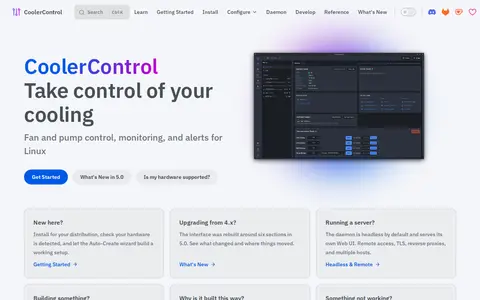
CoolerControl is a documentation site for cooling control software. It directs new users to install for their distribution, verify hardware detection, and use an Auto-Create wizard to build a working setup. It also provides guidance for users upgrading from 4.x, running a server, building something, and troubleshooting.

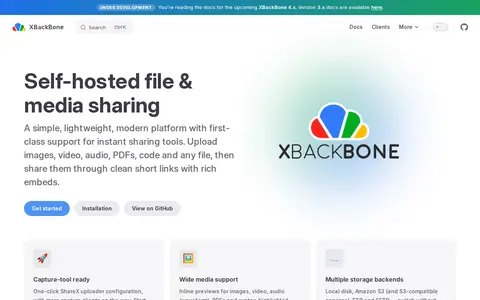
XBackBone is a self-hosted, lightweight file and media sharing platform. It supports uploads of images, video, audio, PDFs, code and arbitrary files, shared through short links, with public or private visibility, optional passwords and automatic expiry. A versioned REST API handles programmatic uploads and deletion, and one-click setup is offered for capture tools such as ShareX.

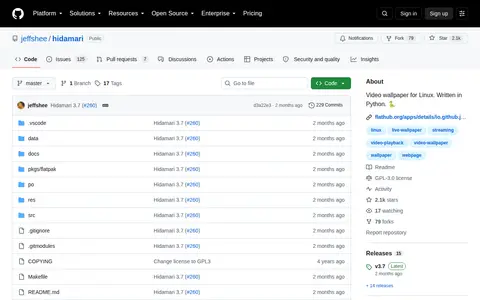
Hidamari is a video wallpaper application for Linux written in Python. It supports autostart after login, applying a static wallpaper with blur, pausing playback on maximized windows or fullscreen mode, volume control, hardware-accelerated decoding, GNOME Wayland, multi-monitor setups, streaming URLs and webpages as wallpaper. It is distributed as a Flatpak on Flathub.

HoneyBot is a honeypot-style security bot for Discord. It uses a hidden lure channel and, when enabled via /setup, real-time scanning of accessible channels to detect and automatically act on spam, scam links, selfbots and compromised accounts. The bot is in beta and states that false positives and missed detections may occur.

Improved Search is a userscript page for browser customization, automation, or interface changes.
LinuxServer.io is a community group that builds and maintains Docker images. Its images share a common base using s6-overlay, and rebuild automatically when upstream applications or dependencies are updated. Setup guides are provided on GitHub and a documentation site, with support through Discord and a Discourse forum.