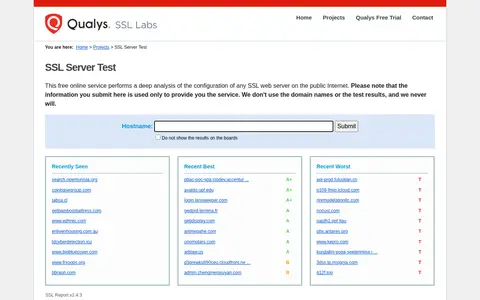
SSL Server Test is a free online service from Qualys SSL Labs that performs a deep analysis of the configuration of any SSL web server on the public Internet. The site states that submitted information is used only to provide the service.
Directory
Search results
Published directory entries matching your search.
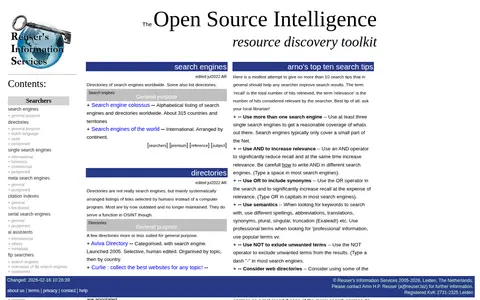
Reuser is an OSINT resource for online investigations, research links, search methods, and public data tools.
rip.so is a memorial site listing messengers, social networks, browsers, gadgets and websites the internet forgot, organized into categories such as messengers and chat, social networks, software and apps, streaming and video, and search engines and browsers. The page is marked as under construction.
Scid vs. PC is a chess toolkit derived from Shane's Chess Information Database that lets users create large databases, run chess engines, and play casual games against the computer or on the Free Internet Chess Server. It began as bug fixes for Scid's computer-versus-player features and has grown into a broader alternative with new interfaces.
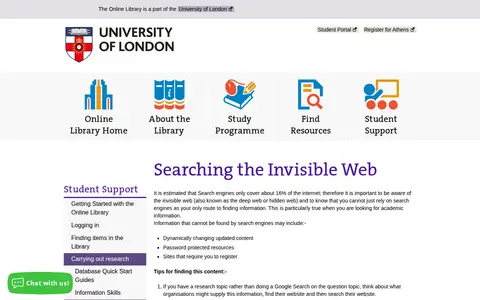
A library support page explaining the invisible web, also called the deep web or hidden web. It states that search engines cover about 16% of the internet and advises against relying on them alone, especially for academic information. It lists content search engines cannot find, such as dynamically changing content, password protected resources and sites requiring registration, and suggests web directories and asking a librarian.
sheets.works is an educational website that hosts interactive data stories, games and data visualisation projects. Its core series, The Data Drop, publishes free weekly interactive data stories covering pop culture, sports, film, money and internet topics. The site also offers a daily Wordle-style sentence rephrasing game, uplifting news stories, a documentation of Greater Tokyo train station departure melodies, and a visualisation of global Google search trends for helping-related queries.
Snopes.com is an online reference resource that functions as a fact-checking site for urban legends, folklore, myths, rumors, and misinformation. It is described as the definitive internet reference source for researching these types of content.
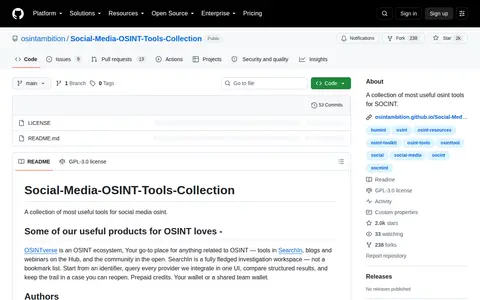
GitHub collection of social media OSINT tools for researching profiles, posts, and platforms.
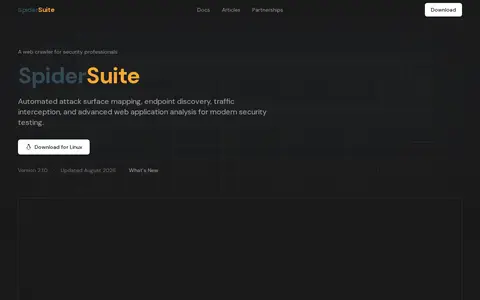
SpiderSuite is a web crawling and security testing platform for security professionals, penetration testers and researchers. It offers specialized crawlers, traffic interception, request crafting and fuzzing, along with source and graph views of crawl data, plus import and export in formats such as HAR, WARC, CSV and JSON.
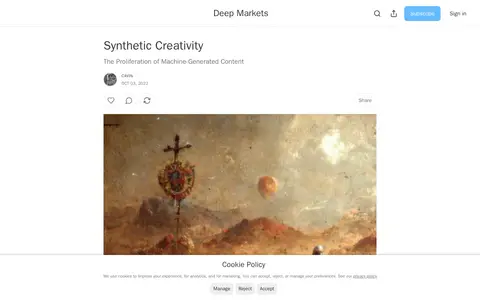
An article by Cavin on Deep Markets discussing machine-generated content and creativity. It describes technology as leverage over creation: writing, the printing press, the internet, digital tools and machine learning. It also covers synthetic text from large language models such as OpenAI's GPT-3, published in summer 2020.
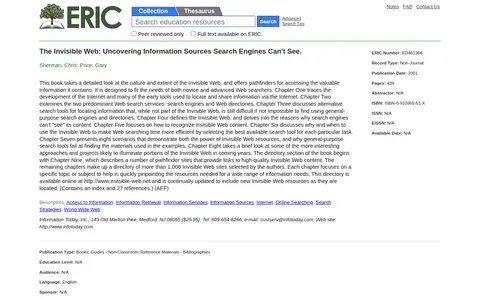
A 2001 book by Chris Sherman and Gary Price examining the nature and extent of the Invisible Web and offering pathfinders for accessing its content, aimed at novice and advanced web searchers. Chapters cover the development of the Internet, search engines and web directories, why search engines cannot see invisible web content, how to recognize it, and when to use it. A directory section lists more than 1,000 Invisible Web sites by topic.
The Key to Unlocking the Web's Secrets is an OSINT resource for online investigations, research links, search methods, and public data tools.
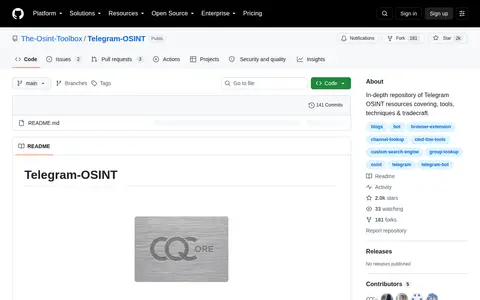
Telegram-focused OSINT toolbox with resources for researching accounts, channels, and public data.
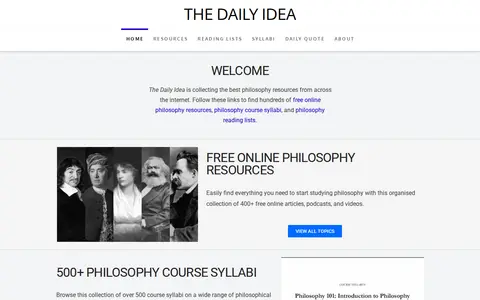
The Daily Idea collects philosophy resources from across the internet, including free online articles, videos, podcasts, books and quotes. It also offers collections of philosophy course syllabi and reading lists on many topics.
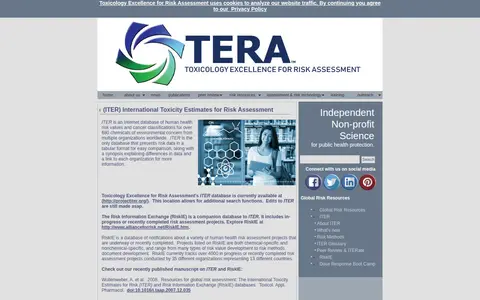
ITER is an Internet database of human health risk values and cancer classifications for over 680 chemicals of environmental concern from multiple organizations worldwide. It presents risk data in a tabular format for comparison, with a synopsis explaining differences in data and links to each organization.
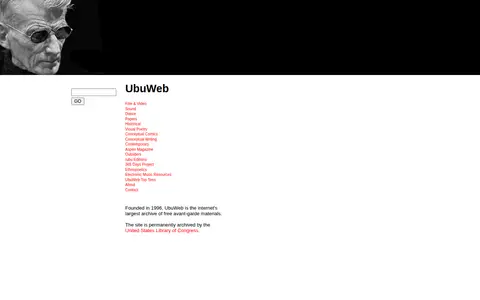
Founded in 1996, UbuWeb is described as the internet's largest archive of free avant-garde materials. The site organizes sections covering film and video, sound, dance, papers, historical and visual poetry, conceptual writing, comics, electronic music and other resources, and is permanently archived by the United States Library of Congress.
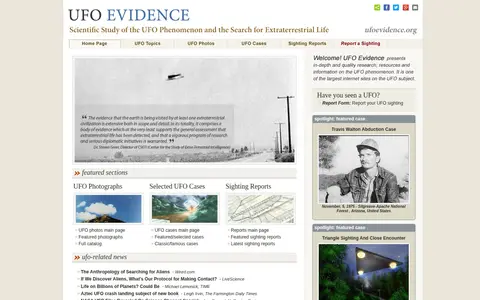
UFO Evidence is a website presenting research, resources, news and information on the UFO phenomenon. It includes sections on selected UFO cases, photographs, sighting reports, and articles on topics related to the UFO and extraterrestrial phenomenon. The site describes itself as one of the largest internet sites on the subject.
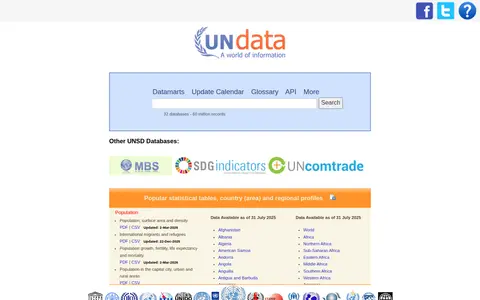
UNdata is an internet-based United Nations data service that aggregates UN statistical databases into a single entry point at http://data.un.org/. It allows users to search and download a range of statistical resources from the UN system. The service hosts 32 databases containing 60 million records, covering topics including population, national accounts, education, and labour market statistics, with datasets available for download in PDF and CSV formats.
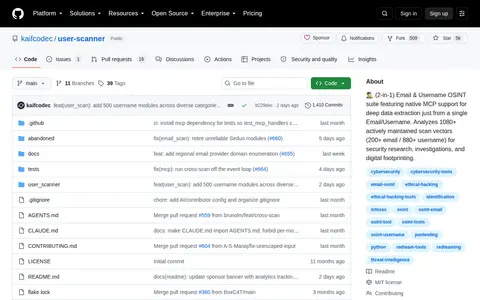
User Scanner is a two-in-one email and username OSINT suite with native MCP support. It performs deep data extraction from a single email or username, analyzing over 1080 maintained scan vectors, including more than 200 email and 880 username sources. It is intended for security research, investigations, and digital footprinting.
What is OSINT? is an OSINT resource for online investigations, research links, search methods, and public data tools.
XSEDE was a National Science Foundation (NSF) funded project that concluded formal operations on August 31, 2022. Its follow-on services are now operated through NSF’s Advanced Cyberinfrastructure Coordination Ecosystem: Services & Support (ACCESS) program. Historical information for the XSEDE Website and XSEDE Portal is available for viewing only via the Internet Archive.