
github.com
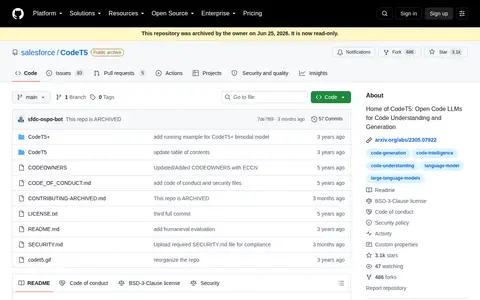
Open Code LLMs for Code Understanding and Generation.
Directory
Published directory entries matching your search.
Open Code LLMs for Code Understanding and Generation.

Codevolution is a YouTube video, playlist, or channel resource for tutorials, demos, reviews, or media.

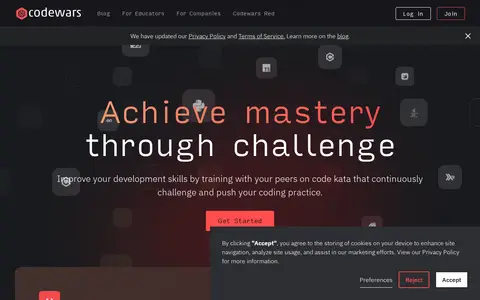
Codewars is a coding practice website for all programming levels, offering small coding exercises called kata in over 55 programming languages. Users can solve kata in the browser with instant feedback, earn ranks and honor, and participate in a community of over 3 million developers. The platform also allows users to create their own kata and compare solutions with others.

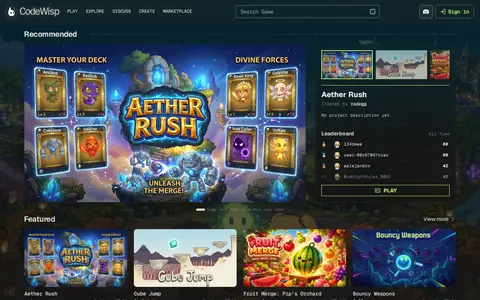
CodeWisp provides educational videos, lessons, tutorials, or self-learning resources.
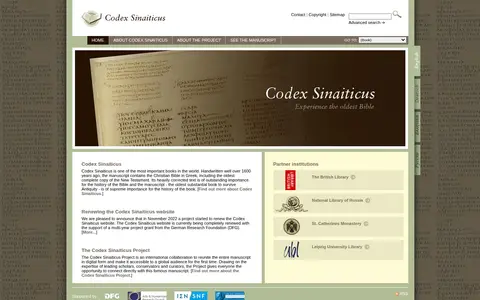
Codex Sinaiticus is a manuscript handwritten over 1600 years ago, containing the Christian Bible in Greek including the oldest complete copy of the New Testament, and is considered one of the most important books in the world. The international Codex Sinaiticus Project works to reunite the entire manuscript in digital form and make it accessible to a global audience for the first time, and the associated website provides access to the manuscript’s contents including navigation to individual biblical books and texts.

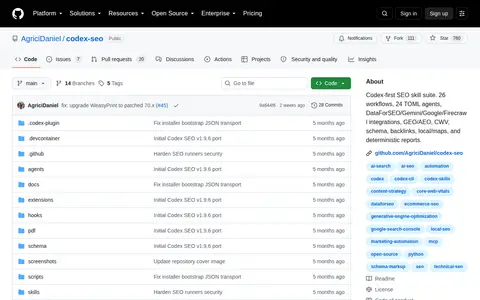
codex-seo helps analyze backlinks, find link opportunities, and support SEO outreach workflows.

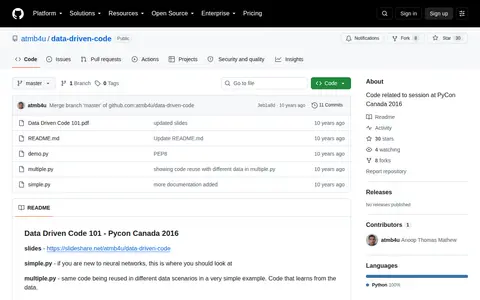
Data Driven Code is a GitHub repository containing code from a PyCon Canada 2016 session. The repository provides resources and examples related to data-driven programming techniques presented at the conference.
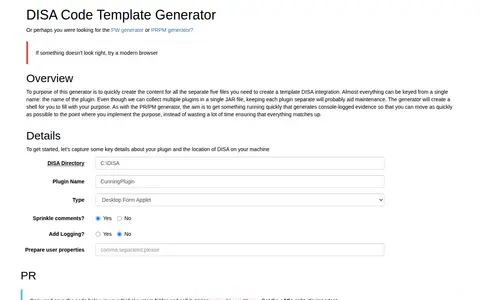
DISA Code Template Generator quickly creates the content for the five separate files needed to create a template DISA integration. Almost everything can be keyed from a single plugin name. The generator creates a shell to fill with your purpose, aiming to get something running quickly that generates console-logged evidence.

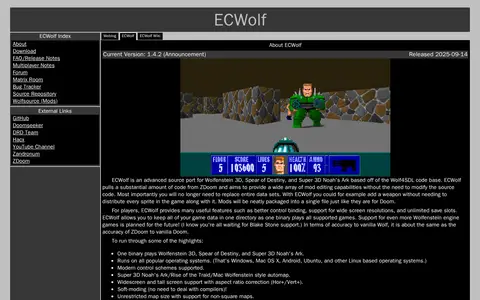
ECWolf is a source port for Wolfenstein 3D, Spear of Destiny, and Super 3D Noah's Ark based on the Wolf4SDL code base. It draws code from ZDoom and aims to provide mod editing capabilities without modifying source code. For players it offers control binding, widescreen resolutions, and unlimited save slots. It runs on Windows, Mac OS X, Ubuntu, Linux, and Android.

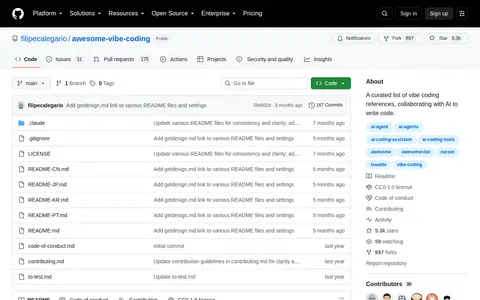
awesome-vibe-coding is a curated GitHub repository maintained by filipecalegario that compiles references for vibe coding, the practice of collaborating with AI to write code. The list includes resources for browser-based tools, IDEs, and code editors relevant to this development approach. The repository accepts community contributions.

Freegames.codes is a site that lists free game offers and key codes on platforms including Steam, Epic Games Store, PlayStation, Xbox, Indiegala and Humblebundle. It also offers a free games Discord bot and mobile apps for Android and iOS that send notifications of free game deals. Giveaway events provide free game codes to logged-in users.

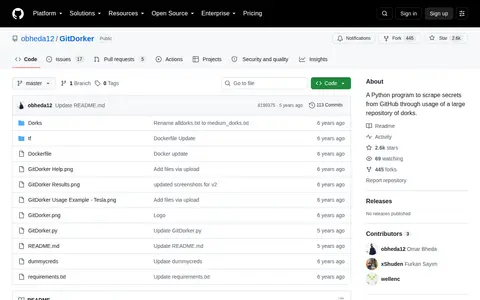
GitHub dorking tool for searching repositories with advanced queries and sensitive-data patterns.

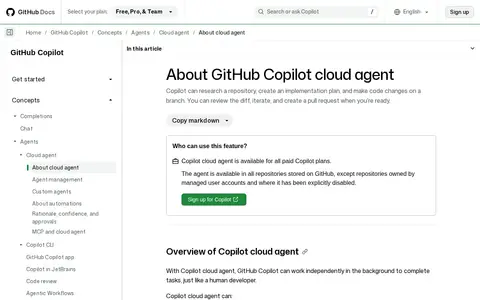
The GitHub Copilot coding agent (cloud agent) is a feature documented on GitHub Docs that can research a repository, create an implementation plan, and make code changes on a branch. Users can review code diffs, iterate on changes, and create a pull request when prepared.
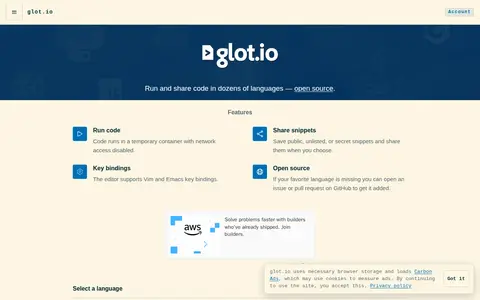
An open-source online code playground for running code in dozens of programming languages. Users can create, execute, save and share snippets, and the editor supports Vim and Emacs key bindings. Code runs in a temporary container with network access disabled. Snippets can be saved as public, unlisted or secret.

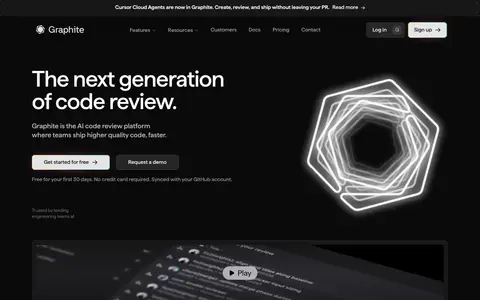
Graphite is a code review platform for teams on GitHub. It offers AI code review through Graphite Chat, stacked pull requests, a pull request inbox, a merge queue, and developer metrics. A CLI and VS Code extension support creating and managing stacks. The first 30 days are free.

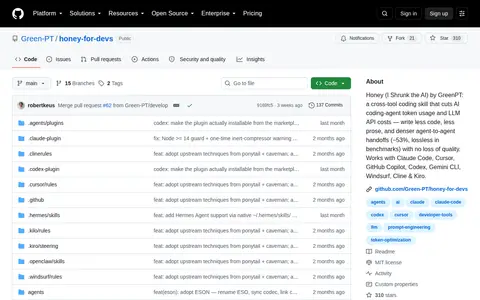
Honey (I Shrunk the AI) by GreenPT is a cross-tool coding skill that reduces AI coding-agent token usage and LLM API costs. It enables writing less code and prose and supports denser agent-to-agent handoffs, with reported 53% cost reduction and no quality loss in benchmarks. It is compatible with Claude Code, Cursor, GitHub Copilot, Codex, Gemini CLI, Windsurf, Cline, and Kiro.

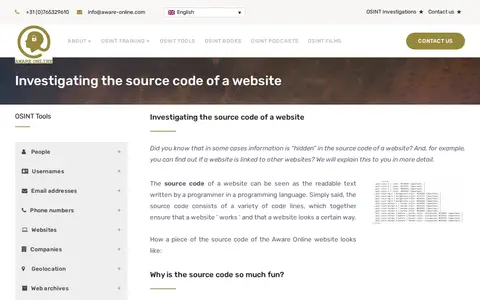
Aware Online tutorial for examining website source code during OSINT and web investigations.
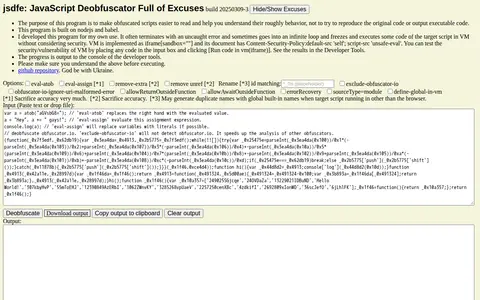
jsdfe is a JavaScript deobfuscator built on nodejs and babel. Its purpose is to make obfuscated scripts easier to read and help users understand their roughly behavior. It is not intended to reproduce the original code or output executable code. The developer created it for personal use and notes that it often terminates with an uncaught error, may go into an infinite loop, and runs target code in a VM without considering security.
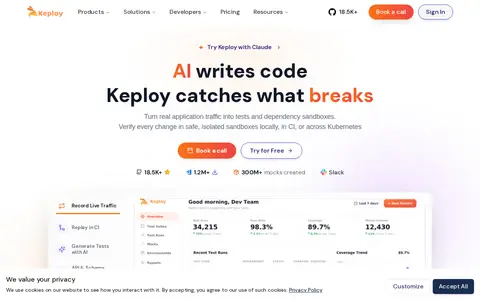
Keploy is an open-source AI-powered API and unit testing tool for developers. It builds a digital twin of production behavior using real API traffic, mocks, and dependencies to verify AI- or human-written code changes in continuous integration pipelines before deployment, and requires no code changes to implement.

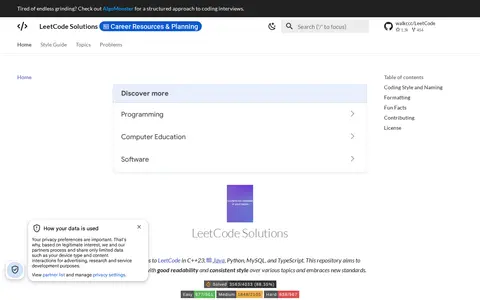
A personal collection of solutions to LeetCode problems written in C++23, Java, Python, MySQL, and TypeScript. The site aims to provide readable code with consistent style. Solutions can be found by searching by number or title. The repository does not accept pull requests, though forking is allowed.

Library of Codexes documents game fixes, settings, compatibility, archives, or technical gaming references.

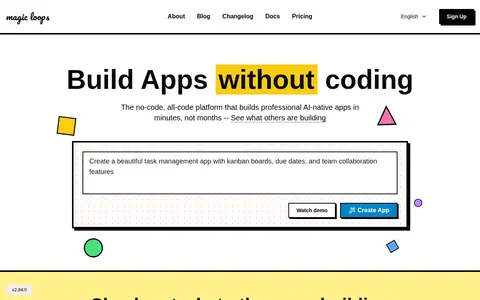
Magic Loops combines LLMs and code to create simple automations. It is presented as a no-code, all-code platform for building apps without coding. Paid plans are billed at $1 USD per 1000 credits, and a free tier offers 8,000 credits.

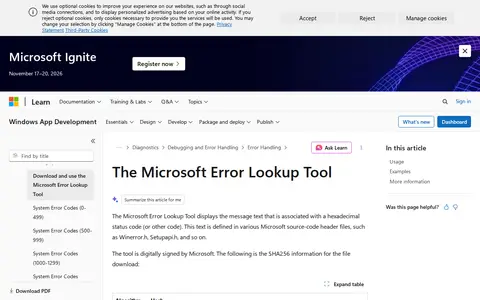
The Microsoft Error Lookup Tool displays the message text associated with a hexadecimal status code or other code. The text is defined in Microsoft source-code header files such as Winerror.h and Setupapi.h. The tool is digitally signed by Microsoft and is described as a point-in-time tool that decodes most Microsoft error codes as of its compilation date.

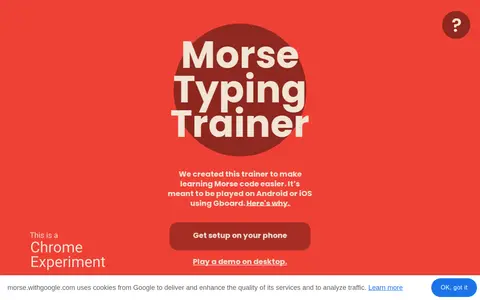
Morse Typing Trainer is a Google experiment for learning Morse code, created to make the learning process more fun. It is intended for people who have set up Morse code for Gboard and are ready to learn. The experiment is part of a larger project supporting Morse code for accessible communication and was built by Use All Five and Google Creative Lab.