
calmcode.io
calmcode provides educational videos, lessons, tutorials, or self-learning resources.
Directory
Published directory entries matching your search.
calmcode provides educational videos, lessons, tutorials, or self-learning resources.

Cambridge in Colour is an online learning environment for photographers, founded in 2005, offering reference-style tutorials on concepts such as exposure, depth of field, lenses and natural light, plus forums and a gallery. The site states no official affiliation with the University of Cambridge.

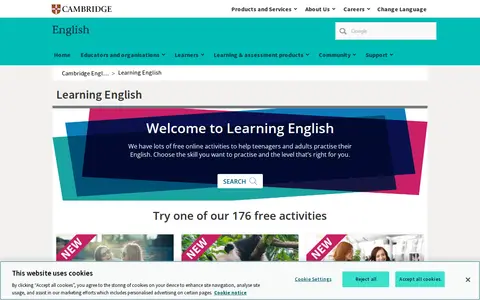
Cambridge Online provides educational videos, lessons, tutorials, or self-learning resources.

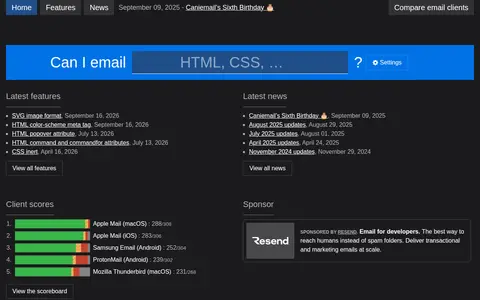
Can I Email? provides support tables for HTML and CSS features in email clients. The site lists features and tracks support across clients such as Apple Mail, Gmail, Outlook, Yahoo! Mail and others, and includes a client scoreboard.
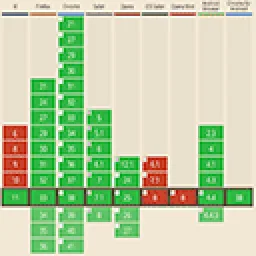
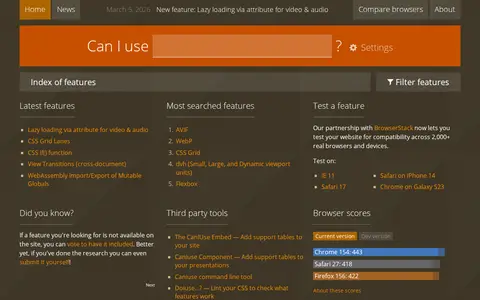
Can I use provides browser support tables for front-end web technologies on desktop and mobile browsers. The site lists features, allows users to vote for or submit missing features, and includes third-party tools for embedding tables and checking CSS features.

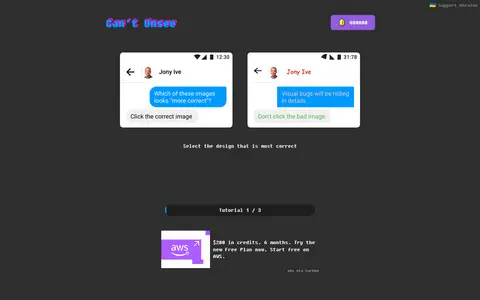
Can't Unsee provides educational videos, lessons, tutorials, or self-learning resources.

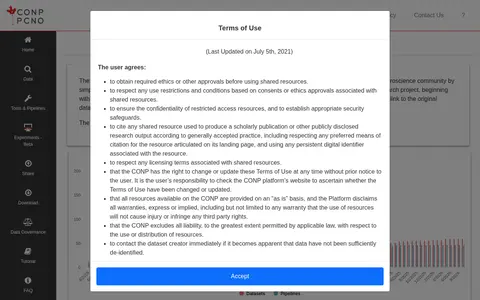
The CONP Portal is a web interface for finding, sharing and downloading open neuroscience datasets and analysis tools from the Canadian Open Neuroscience Platform. It also lists tutorials explaining how the portal works.

CantoScrolls provides educational videos, lessons, tutorials, or self-learning resources.

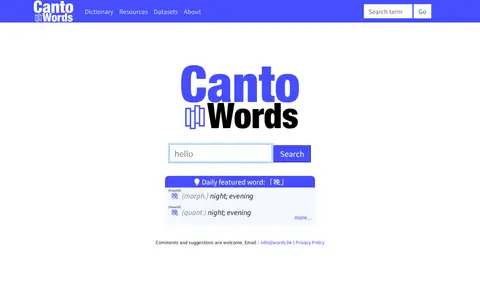
CantoWords provides educational videos, lessons, tutorials, or self-learning resources.

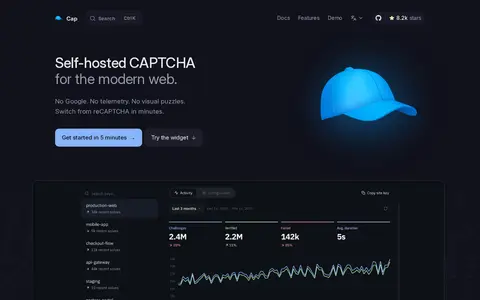
Cap is a free, open-source, self-hosted CAPTCHA alternative. It uses proof-of-work and JavaScript instrumentation challenges instead of visual puzzles, and is licensed under Apache 2.0. It is installed by running a server with Docker and adding a widget to a form.

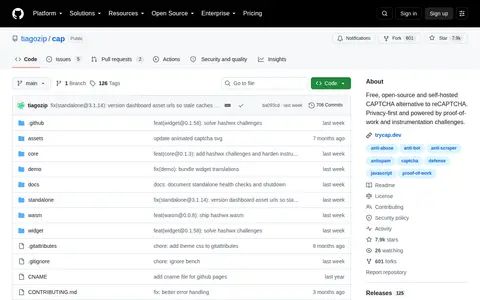
Cap is a GitHub repository or organization with source code, releases, documentation, or project resources.
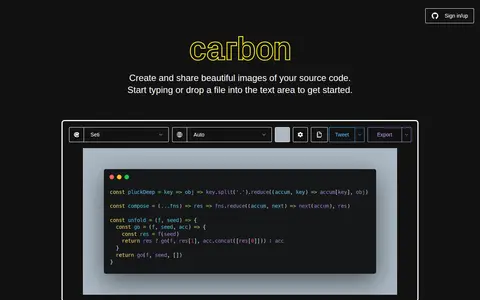
Carbon is a developer resource for coding, documentation, communities, security research, or software tools.

Website Carbon Calculator is a free tool from Wholegrain Digital for estimating the carbon emissions attributed to a web page. It states that the average web page produces approximately 0.36 grams CO2 equivalent per pageview.

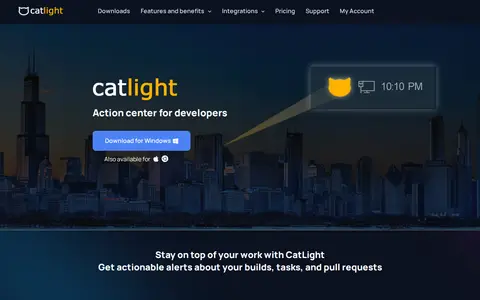
CatLight is a developer action center that monitors CI/CD pipelines, pull requests and issues, showing their status in a tray icon. It combines action items from multiple sources into a prioritized action list and sends desktop notifications about important events. It integrates with services including Jenkins, Azure DevOps, GitHub, Gitlab, Jira and TeamCity.
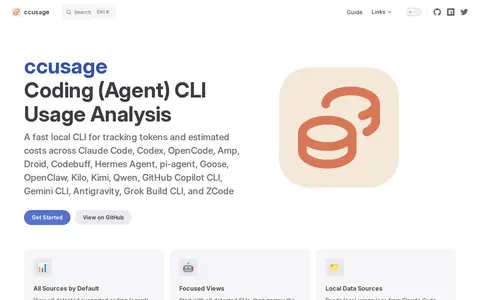
Ccusage supports software development with code generation, analysis, debugging, or documentation.

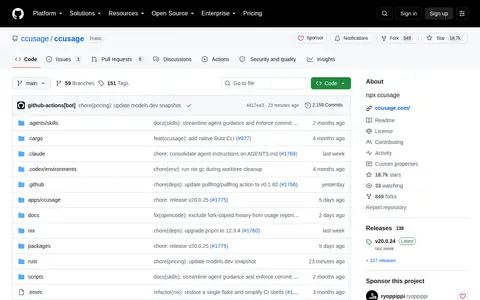
Ccusage is a GitHub repository or organization with source code, releases, documentation, or project resources.

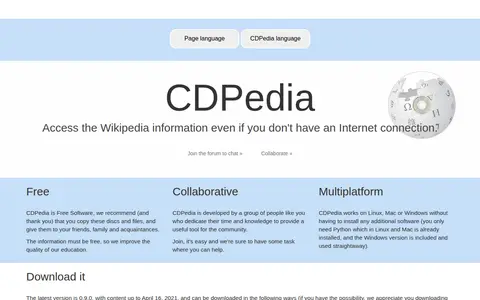
CDPedia provides educational videos, lessons, tutorials, or self-learning resources.
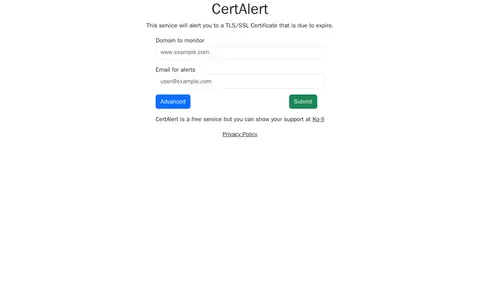
CertAlert is a developer resource for coding, documentation, communities, security research, or software tools.

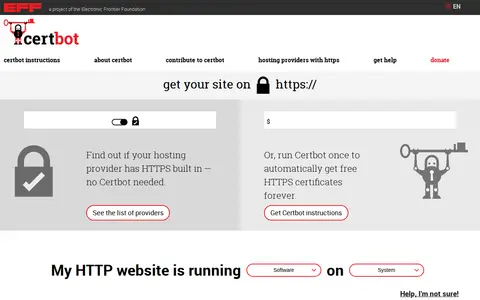
Certbot is a tool run from the command line to obtain and install HTTPS certificates. It can either be run once to get free HTTPS certificates or used with instructions generated for a server's software and system. Using it requires comfort with the command line and an HTTP website. The project is a project of the Electronic Frontier Foundation.

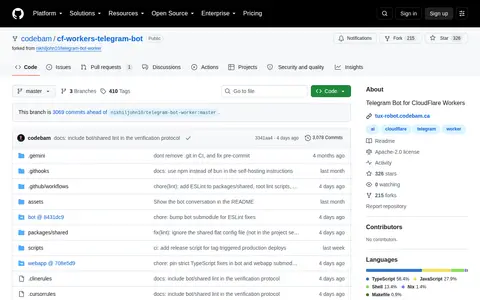
cf-workers-telegram-bot is a GitHub repository or organization with source code, releases, documentation, or project resources.
CGIWebHost.com is a developer resource for coding, documentation, communities, security research, or software tools.
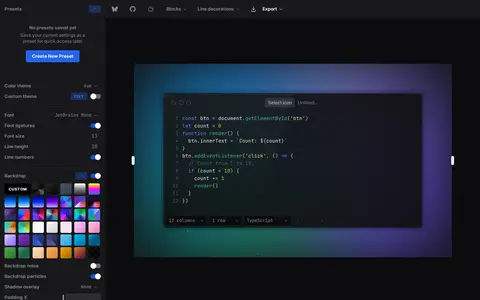
Chalk is a developer resource for coding, documentation, communities, security research, or software tools.

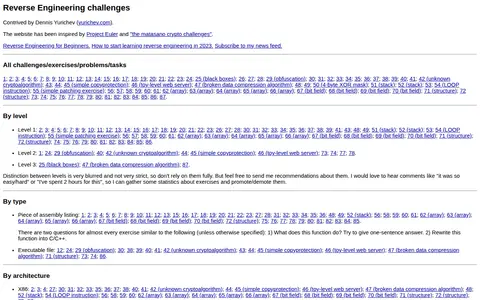
Reverse Engineering challenges is a collection of reverse engineering exercises contrived by Dennis Yurichev. The challenges are organized by level, type, architecture and operating system, with levels ranging from 1 to 3. The site also offers an about page.

Chaos Frontend Toolkit is a browser extension bundling tools intended to break web apps so developers can find ways to improve them, applying chaos engineering principles to the frontend. It covers areas such as network, timers, history, accessibility, localization and inputs, and is available on Chrome, Firefox and Edge as an open-source GPLv3 project.