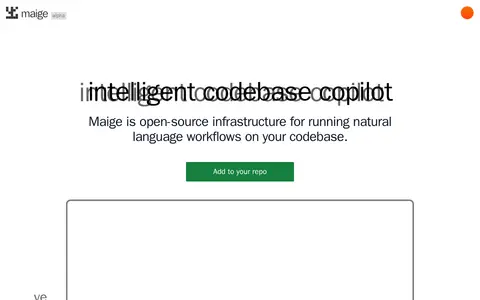

Maige is open-source infrastructure for running natural language workflows on a codebase. After connecting a repository, users write rules describing what should happen when issues and pull requests are opened, and the tool can label, assign, comment, review code, and run simple code snippets. It works with the GitHub API. A standard plan is offered after free use, with usage-based payment.
Directory
Search results
Published directory entries matching your search.
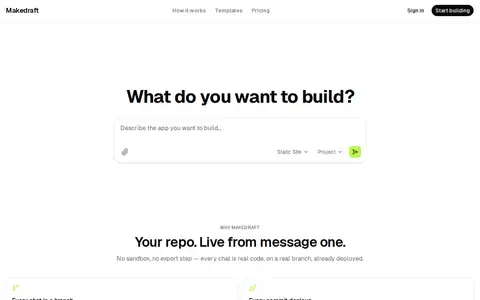
Makedraft is an AI-powered platform that builds and deploys projects from conversational instructions. It generates real code in a GitHub repository, automatically deploys each branch as a live service, and supports custom domains. It integrates with tools like Render, Supabase, and Stripe, and works with React and Next.js.
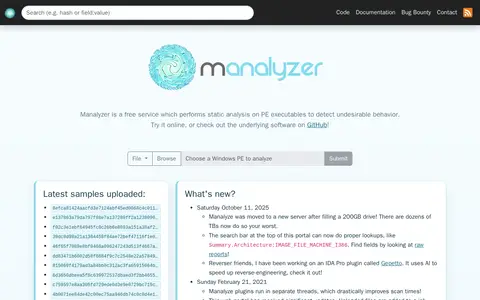
Manalyzer is a free, open-source, multi-platform service that performs static analysis on PE executables to detect undesirable behavior. It can be used online, and its underlying software is available on GitHub. Manalyze plugins run in separate threads.
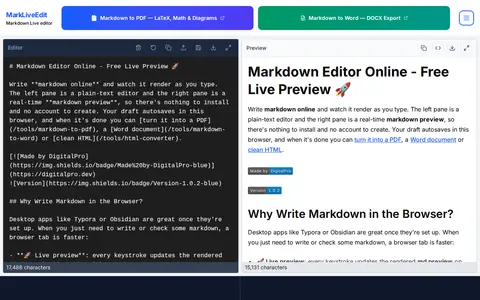
Markdown Editor Online is a browser-based tool for writing Markdown with a real-time preview pane. It supports LaTeX math, Mermaid diagrams, GitHub-flavored Markdown, tables and code highlighting, and allows exporting to PDF, Word or HTML without login. Drafts autosave in the browser, and existing .md files can be uploaded for editing.
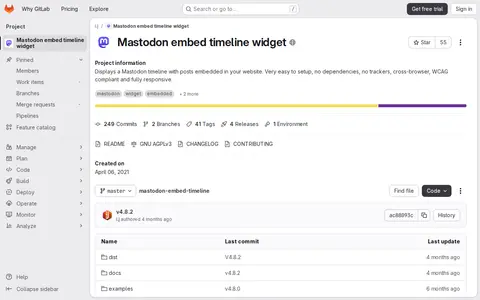
Mastodon Embed Timeline is a code project with source, releases, documentation, or setup notes.
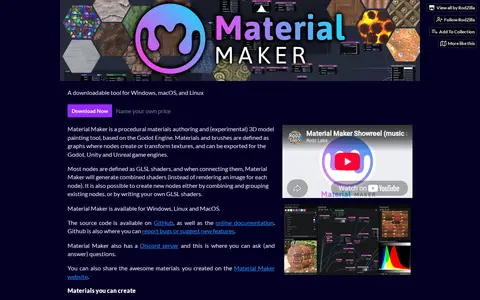
Material Maker is a procedural materials authoring tool based on the Godot Engine, with an experimental 3D model painting engine. Materials and brushes are defined as node graphs, and most nodes are GLSL shaders. Materials can be exported for the Godot, Unity and Unreal game engines. It is available for Windows, macOS and Linux, and the source code is on GitHub.
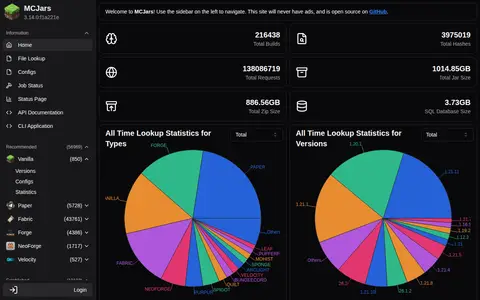
MCJars is a website that lets Minecraft server owners download server jars and other files, and reverse lookup project versions. The site is open source on GitHub and states it will never have ads. It reports itself as not affiliated with Mojang AB.
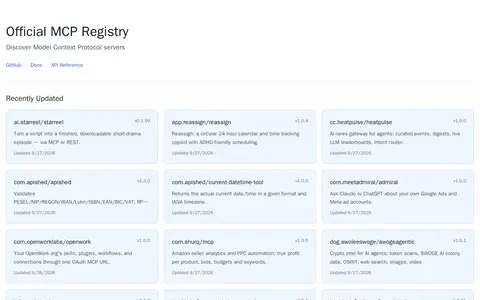
A registry for discovering Model Context Protocol servers, with links to GitHub and API reference documentation. The site lists recently updated servers and provides a base URL for API access.
Meaning of is the personal blog of Kenny Bastani, covering open source software, graph databases, cloud native architectures, information theory, artificial intelligence, and machine learning. As of September 18, 2025, the blog is no longer maintained, with readers directed to the author's GitHub or LinkedIn profiles.
MEKA is an open source implementation of methods for multi-label learning and evaluation, based on the WEKA Machine Learning Toolkit. It includes dozens of multi-label methods from the scientific literature and a wrapper to the MULAN framework. The project is distributed via SourceForge, with code hosted on GitHub.
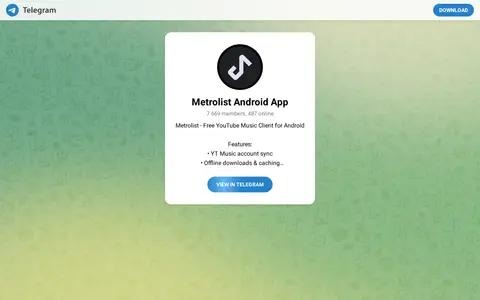
Metrolist is a free YouTube Music client for Android, according to its Telegram listing. It lists YouTube Music account sync, offline downloads and caching, live lyrics, and a Material 3 design with dark themes. The download page directs users to APK files hosted on GitHub releases.
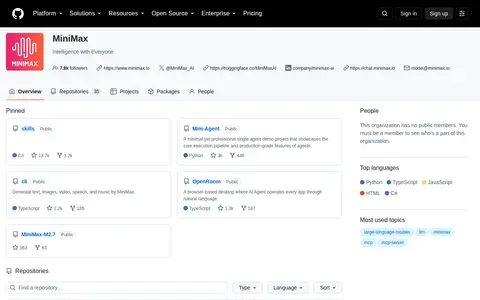
Open-source project that provides machine-learning models, research, training resources, or evaluation tools.
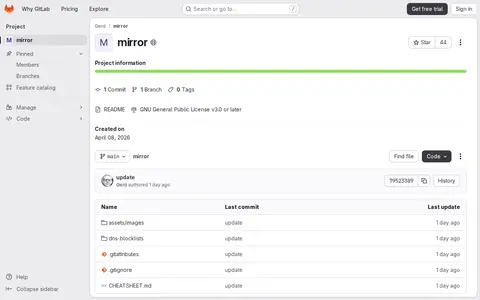
Mirror is a code project with source, releases, documentation, or setup notes.
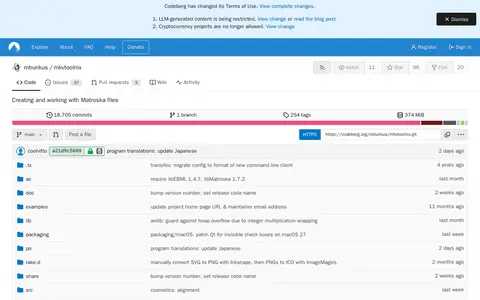
MKVToolNix is a project for creating and working with Matroska files. The repository includes a README with installation and requirements sections and a NEWS file. The code is primarily C++.
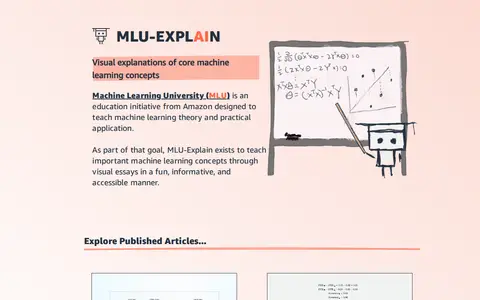
MLU-Explain is an education initiative from Amazon that teaches machine learning concepts through visual essays. It publishes interactive articles on topics such as neural networks, logistic regression, reinforcement learning, ROC and AUC, cross-validation, random forests, and decision trees.
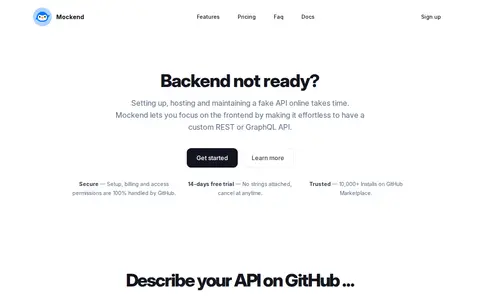
Mockend creates fake REST and GraphQL APIs from a mockend.yml file in a GitHub repository. It generates data with random generators and supports model relations. Writes are not persisted. The documented uses include working without a completed backend and building demos or prototypes. Pricing is per account, with Pro at $29 per month and Business at $99 per month after a 14-day free trial.
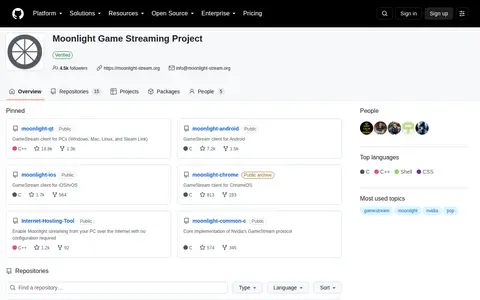
Moonlight Stream is a system utility for Windows, hardware checks, cleanup, process control, or desktop customization.
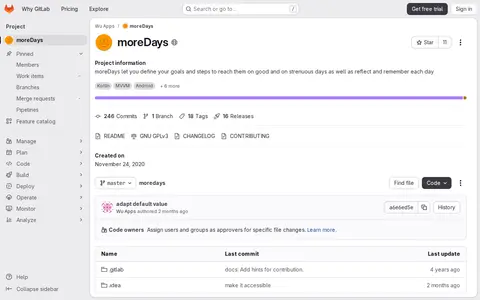
moreDays is an Android project from Wu Apps, built in Kotlin with MVVM, material-design architecture, room libraries and flow. It lets users define goals and steps to reach them on good and strenuous days, and reflect on and remember each day. Licensed under GNU GPLv3, the repository was created on November 24, 2020.
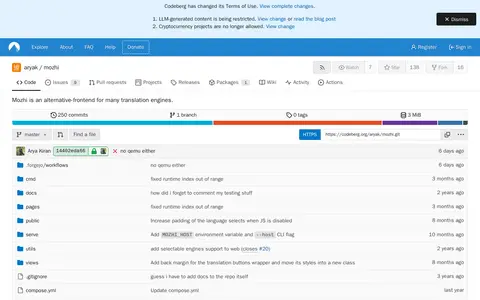
Mozhi is an alternative frontend for many translation engines, initially made as a maintained fork or rewrite of SimplyTranslate. The README lists supported engines Google, Reverso, DeepL, LibreTranslate, Yandex, MyMemory and DuckDuckGo, and notes the engine code has been split into a separate repository. The author states a focus on the API and engines, with a CLI and webapp planned.
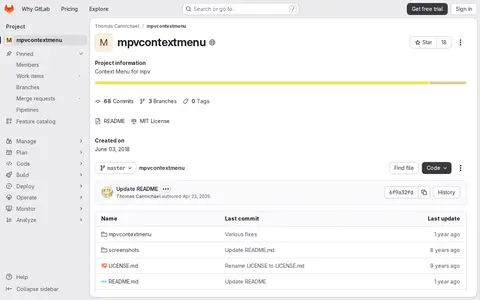
MPV Context Menu is a video tool for encoding, conversion, repair, playback, editing, or processing workflows.
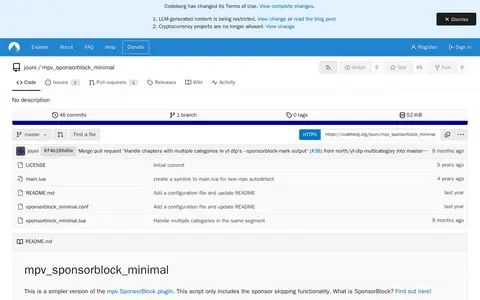
A simpler version of the mpv SponsorBlock plugin that includes only the sponsor skipping functionality. It requires curl unless videos are downloaded with --sponsorblock-mark, and sha256sum if a hash option is enabled. Options are listed in a configuration file.
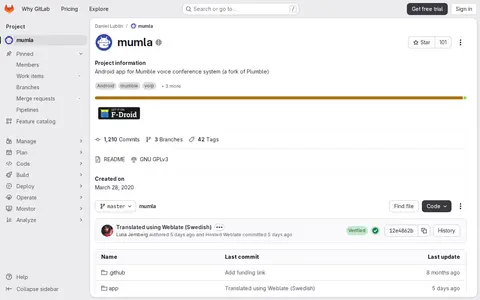
Mumla is an Android application designed for use with the Mumble voice conference system, and is a fork of the Plumble application. The project is hosted on GitLab and is licensed under the GNU GPLv3 license.
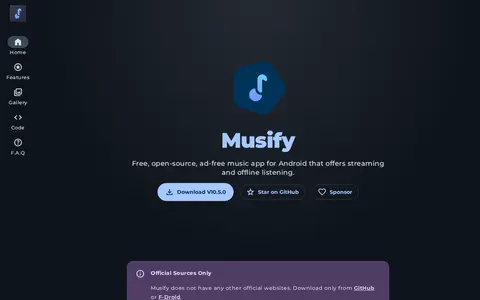
Musify is a free, open-source, ad-free music app for Android with streaming and offline listening. It has a Material You interface, supports searching songs, building playlists, reading lyrics and saving tracks for offline playback, and requires no account. It is distributed via GitHub and F-Droid.
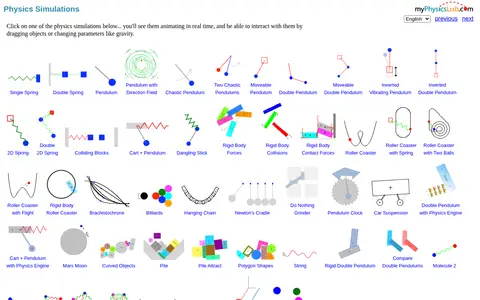
myPhysicsLab is a site with interactive physics simulations, such as springs, pendulums, roller coasters and collisions. Simulations animate in real time and can be manipulated by dragging objects or changing parameters like gravity. Setups can be shared by URL, and numeric data can be obtained from simulations. The software is open source under the Apache 2.0 License, with source code on GitHub.