

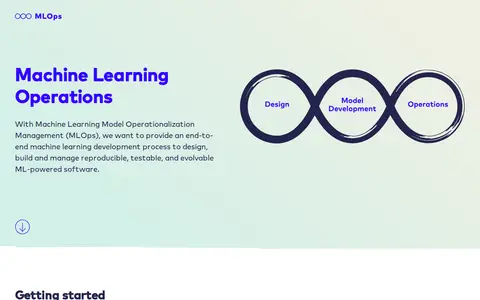
ML-Ops is a site about Machine Learning Operations. It covers motivation for MLOps, designing ML-powered software, the end-to-end ML workflow lifecycle, three levels of ML-based software, MLOps principles, CRISP-ML(Q), the MLOps Stack Canvas and ML model governance. It describes MLOps as aiming to unify the release cycle for machine learning and software.
Project page
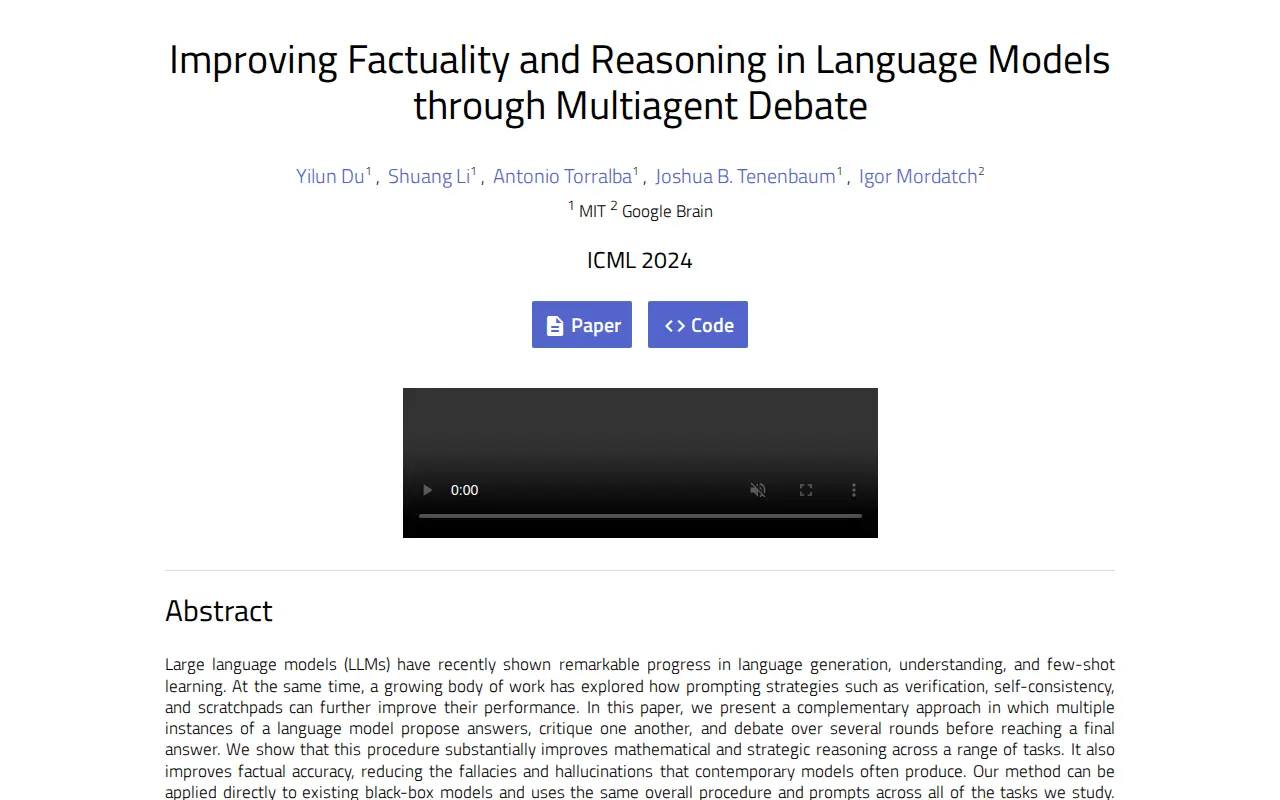
This is the official project page for the ICML 2024 research paper 'Improving Factuality and Reasoning in Language Models through Multiagent Debate' by MIT and Google Brain researchers. The paper introduces a multi-round debate approach where multiple language model instances propose answers, critique each other, and debate to improve reasoning and factual accuracy while reducing hallucinations.
Links
Tags
-
0ML-Ops is a site about Machine Learning Operations. It covers motivation for MLOps, designing ML-powered software, the end-to-end ML workflow lifecycle, three levels of ML-based software, MLOps principles, CRISP-ML(Q), the MLOps Stack Canvas and ML model governance. It describes MLOps as aiming to unify the release cycle for machine learning and software.

-
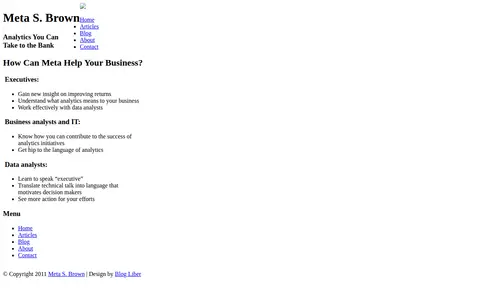
0A blog and article site by Meta S. Brown about predictive analytics. It addresses executives, business analysts, IT staff and data analysts, describing how each group can understand analytics, work with analysts, and communicate technical topics to decision makers.
-
0
Matt Harrison is a personal blog authored by Matt Harrison. The blog covers topics including Amazon book piracy, the Effective Pandas book, Python and data science courses, and general software development content.
-
0
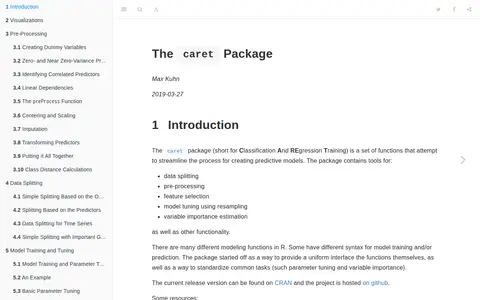
The caret package provides a set of functions in R intended to streamline creating predictive models. Its tools cover data splitting, pre-processing, feature selection, model tuning using resampling and variable importance estimation, and it offers a uniform interface and standardized common tasks.
-
0LM Studio helps build, test, automate, or manage AI agents, prompts, models, and API workflows.
-
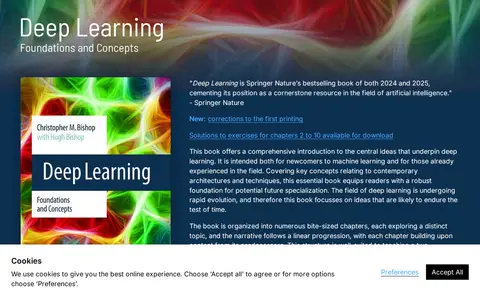
0A book offering a comprehensive introduction to central ideas underpinning deep learning, intended for newcomers to machine learning and those already experienced in the field. It covers concepts relating to contemporary architectures and techniques and includes a self-contained introduction to probability theory. Hardback, PDF eBook, and a free-to-use online version are listed as access options.
Community notes
Reviews and discussion
No reviews yet
Be the first to share how this project worked for you.
Join the discussion
Sign in with a verified account to leave a review or join the discussion.
Sign in to review