
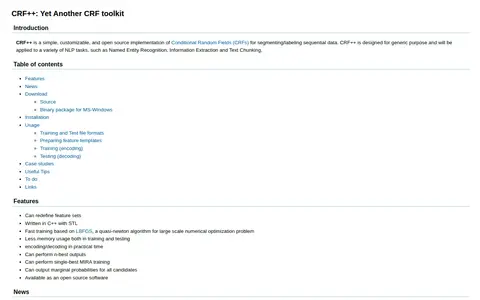
CRF++ is an open source implementation of Conditional Random Fields for segmenting and labeling sequential data. It is designed for general purposes and can be applied to NLP tasks such as named entity recognition, information extraction and text chunking. Feature sets can be redefined, and it is written in C++ with STL.
Orkas
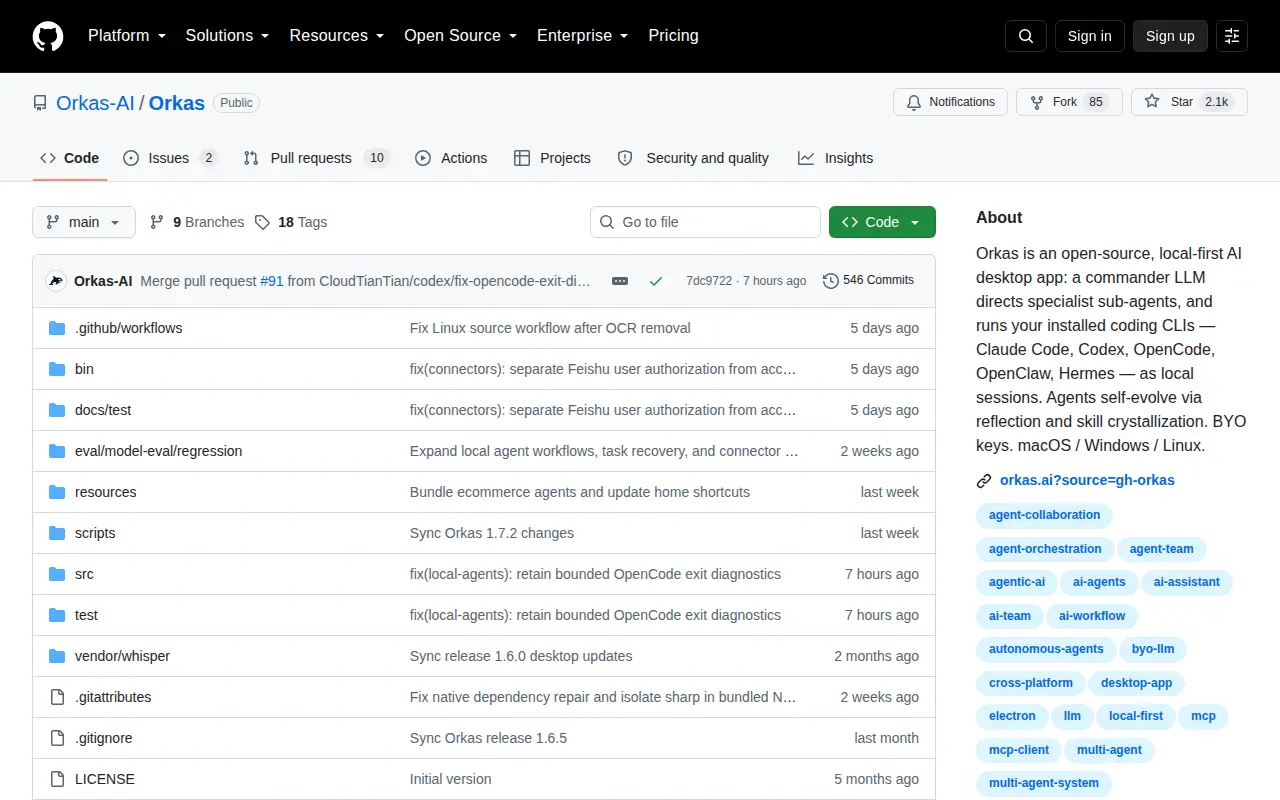
Orkas is an open-source, local-first AI desktop app. A commander LLM directs specialist sub-agents and runs installed coding CLIs including Claude Code, Codex, OpenCode, OpenClaw, and Hermes as local sessions. Its agents self-evolve via reflection and skill crystallization, supports bring-your-own keys, and is compatible with macOS, Windows, and Linux.
Links
Tags
-
0
CRF++ is an open source implementation of Conditional Random Fields for segmenting and labeling sequential data. It is designed for general purposes and can be applied to NLP tasks such as named entity recognition, information extraction and text chunking. Feature sets can be redefined, and it is written in C++ with STL.
-
0
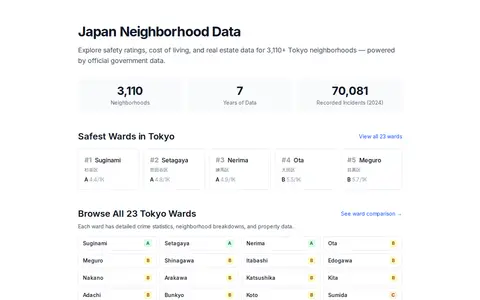
Japan Neighborhoods provides data-driven neighborhood guides for Japan. It offers crime statistics, safety scores, demographic data, cost of living, and real estate information for over 5,000 Tokyo neighborhoods. The data is sourced from official government sources and presented through safety rankings, interactive maps, and property listings.
-
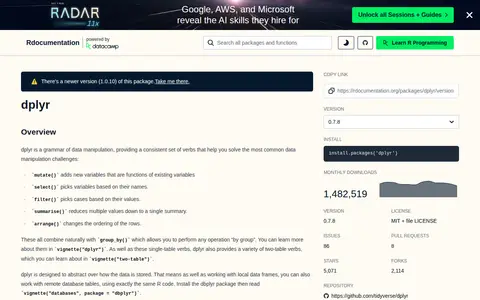
0dplyr is an R package providing a grammar of data manipulation with a consistent set of verbs, including mutate(), select(), filter(), summarise() and arrange(), which combine with group_by(). It is designed to abstract over how data is stored, so the same R code works with local data frames and remote database tables via the dbplyr package.
-
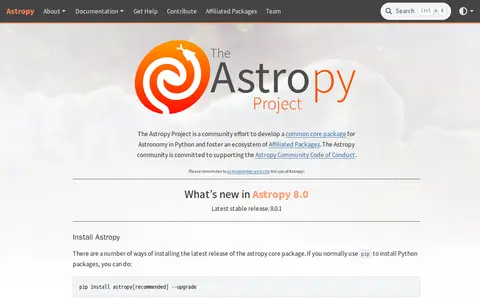
0Astropy is a community effort to develop a common core package for astronomy in Python and foster an ecosystem of Affiliated Packages. Installation is available via pip and other package managers, and the project provides tutorials, documentation, and community help channels.
-
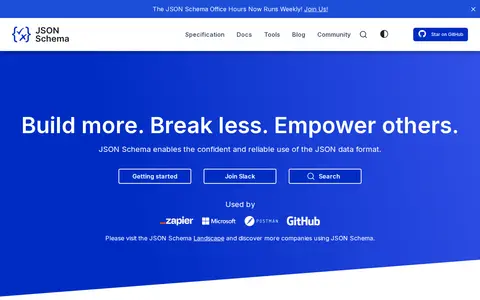
0JSON Schema is a declarative language for annotating and validating JSON documents' structure, constraints, and data types. It enables JSON data consistency, validity, and interoperability, and has a tooling ecosystem of validators, generators, and linters. Documentation covers schema design, guides, and keyword reference.
-
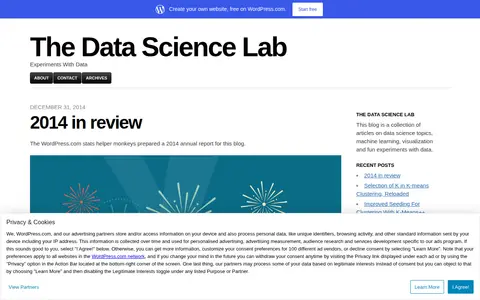
0The Data Science Lab is a blog of experiments with data. Posts cover topics including k-means clustering, k-means++ seeding, the gap statistic, and an alternative approach to selecting the optimal number of clusters based on a 2004 publication by Pham, Dimov and Nguyen. A 2014 annual report notes the blog was viewed about 74,000 times that year.
Community notes
Reviews and discussion
No reviews yet
Be the first to share how this project worked for you.
Join the discussion
Sign in with a verified account to leave a review or join the discussion.
Sign in to review