

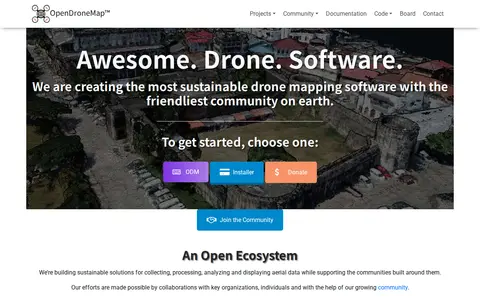

OpenDroneMap is drone mapping software that generates maps, point clouds, 3D models and DEMs from images taken by any camera in any orientation. Its ecosystem includes ODM, a command line toolkit for processing aerial images from drones, balloons or kites, plus NodeODM, CloudODM, PyODM, ClusterODM and other projects.
Ocearch
Ocearch is an educational resource for documentaries, courses, books, reference material, or self-learning.
Links
Tags
-
0OpenDroneMap is drone mapping software that generates maps, point clouds, 3D models and DEMs from images taken by any camera in any orientation. Its ecosystem includes ODM, a command line toolkit for processing aerial images from drones, balloons or kites, plus NodeODM, CloudODM, PyODM, ClusterODM and other projects.
-
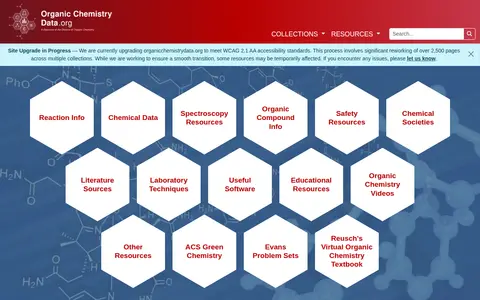
0OrganicChemistryData.org is an encyclopedic collection of information, data, resources and links for organic chemists, curated by the ACS Division of Organic Chemistry. It covers reaction information, chemical data, spectroscopy resources, organic compound information, safety resources, literature sources, laboratory techniques and software.
-
0
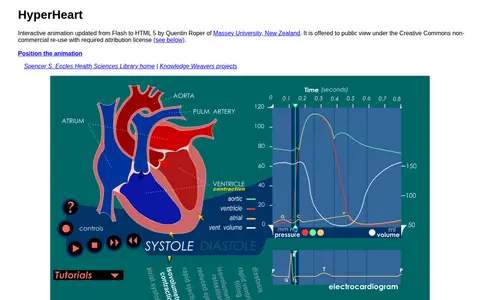
HyperHeart is an interactive animated heart offered for public viewing by the Spencer S. Eccles Health Sciences Library. It was updated from Flash to HTML 5 by Quentin Roper of Massey University, New Zealand.
-
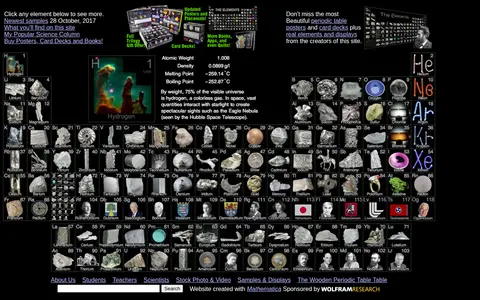
0The Photographic Periodic Table of the Elements is an online periodic table reference site. It includes technical data, along with photographs and descriptions of thousands of samples of the chemical elements. Clicking an element shows more information.
-
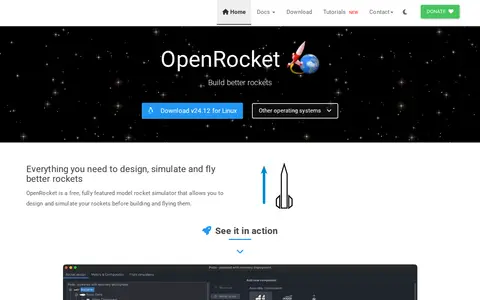
0OpenRocket is a free model rocket simulator that allows users to design and simulate rockets before building and flying them. It offers a six-degrees-of-freedom flight simulation, CAD-based design, real-time performance data and design optimization. It is written in Java and is cross-platform, with source code available under the GNU GPL.
-
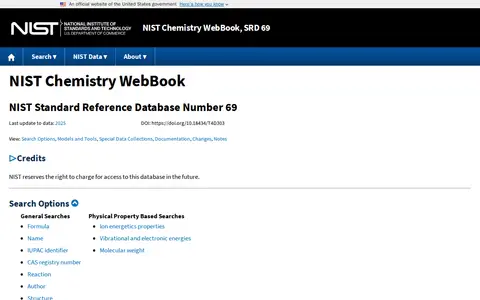
0The NIST Chemistry WebBook provides access to chemical and physical property data for chemical species over the internet. Data come from collections maintained by the NIST Standard Reference Data Program and outside contributors. The system organizes data by chemical species, allows searching by various means, and displays data including thermochemical and thermophysical properties and optical, electronic and mass spectra.
Community notes
Reviews and discussion
No reviews yet
Be the first to share how this project worked for you.
Join the discussion
Sign in with a verified account to leave a review or join the discussion.
Sign in to review