

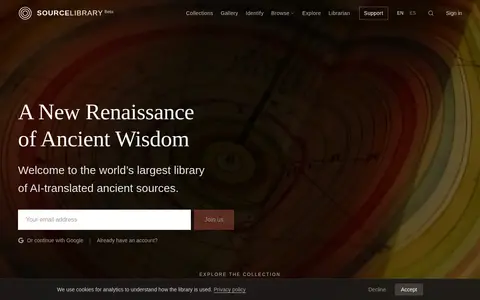

Source Library is a digital collection of ancient texts translated into English, described as a library of AI-translated ancient sources. It offers curated exhibitions and browsing by subject, covering areas such as sacred texts, classical philosophy, astrology and divination, and natural philosophy and science. The site is labelled Beta and lists books, English-readable titles and translations.
Meisei University Academic Institutional Repository
Browse digitized texts, images, archives and cataloged cultural materials.
Links
Tags
-
0Source Library is a digital collection of ancient texts translated into English, described as a library of AI-translated ancient sources. It offers curated exhibitions and browsing by subject, covering areas such as sacred texts, classical philosophy, astrology and divination, and natural philosophy and science. The site is labelled Beta and lists books, English-readable titles and translations.
-
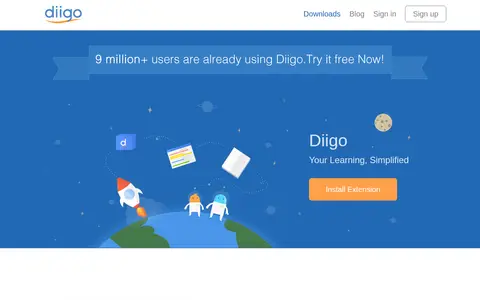
0Diigo is a research tool and knowledge-sharing community for collecting and tagging online resources, annotating web pages and PDFs, and organizing links and references. It offers highlights, sticky notes, an outliner, groups for sharing research, and archived web pages.
-
0Institutional and official repository of intellectual production at the University of São Paulo.
-
0
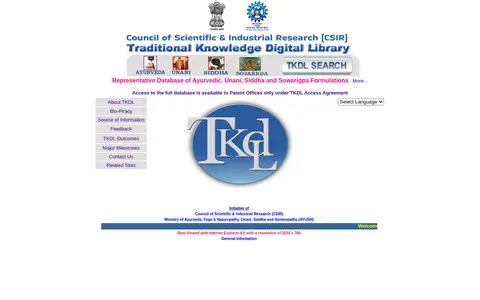
The Traditional Knowledge Digital Library is an initiative of CSIR and the Ministry of AYUSH presenting a representative database of Ayurvedic, Unani, Siddha and Sowarigpa formulations. Full database access is available to patent offices only under a TKDL access agreement.
-
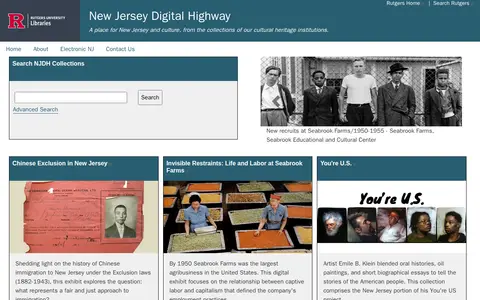
0New Jersey Digital Highway is an online portal for New Jersey culture and history, drawing on collections from cultural heritage institutions. It provides searchable digital collections, exhibits on topics such as Chinese immigration and Seabrook Farms, digital maps, an environmental digital library, a peer-reviewed studies journal, and resources for students and teachers.
-
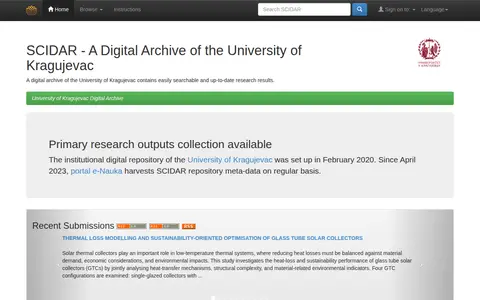
0SCIDAR is the institutional digital repository of the University of Kragujevac, set up in February 2020. It holds searchable research outputs and recent submissions. Since April 2023, the e-Nauka portal has harvested its metadata regularly.
Community notes
Reviews and discussion
No reviews yet
Be the first to share how this project worked for you.
Join the discussion
Sign in with a verified account to leave a review or join the discussion.
Sign in to review