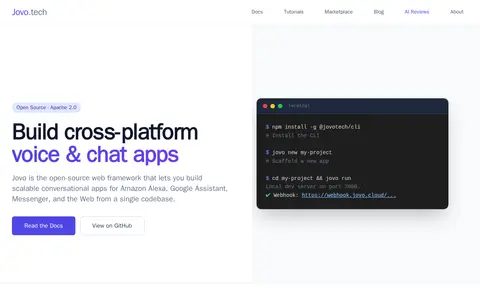


KoNLPy (pronounced "ko en el PIE") is a Python package for natural language processing of the Korean language. It is open source software released under GPL v3 or above, and users are asked to acknowledge its use with a citation.
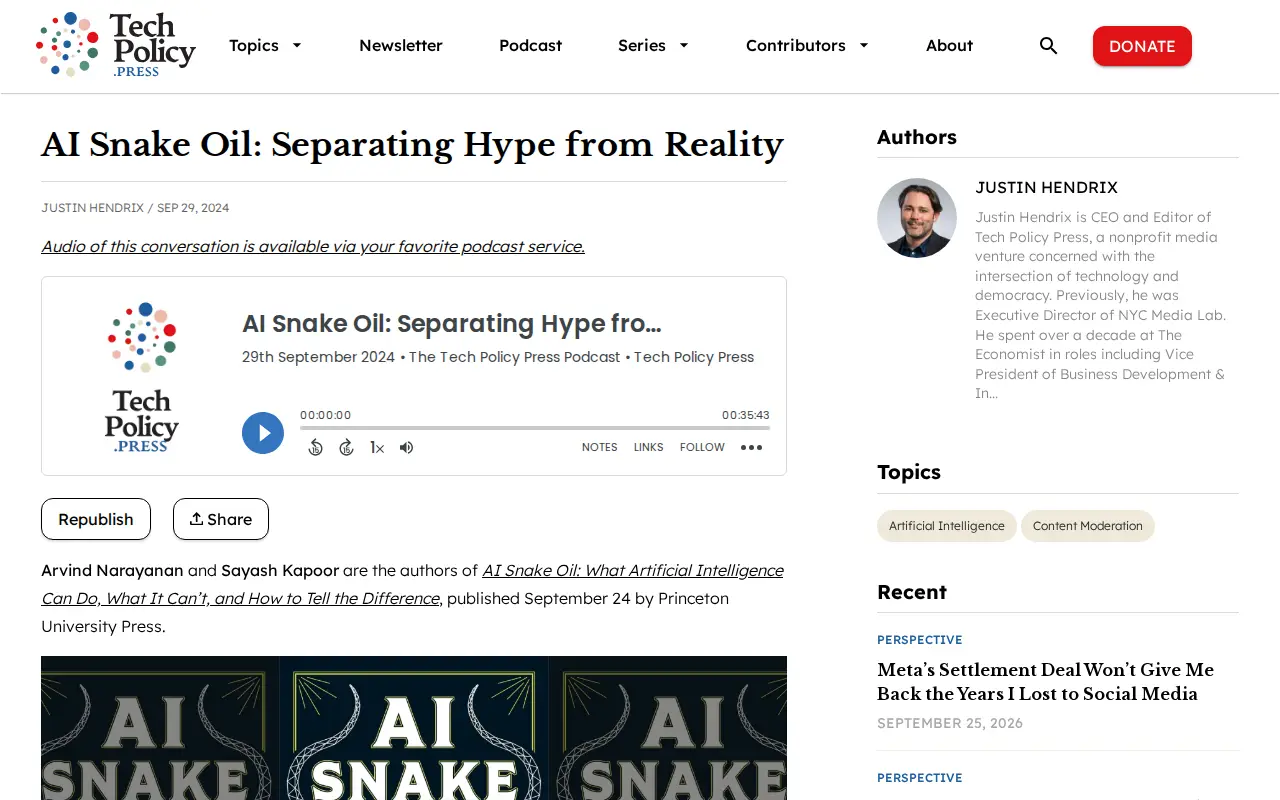
AI Snake Oil: Separating Hype from Reality TechPolicy.Press
A TechPolicy.Press discussion with Arvind Narayanan and Sayash Kapoor, authors of AI Snake Oil: What Artificial Intelligence Can Do, What It Can’t, and How to Tell the Difference, published September 24 by Princeton University Press. The conversation covers AI hype and how to distinguish AI that does not work from real promise.
Links
Tags
-
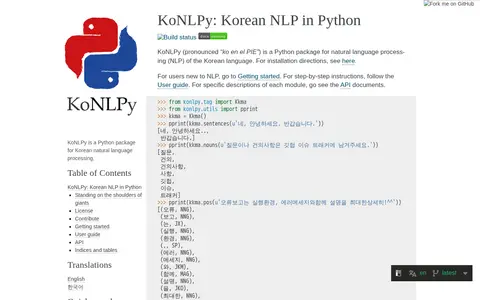
0KoNLPy (pronounced "ko en el PIE") is a Python package for natural language processing of the Korean language. It is open source software released under GPL v3 or above, and users are asked to acknowledge its use with a citation.
-
0
Emgu CV is a cross-platform .NET wrapper to the OpenCV image processing library, allowing OpenCV functions to be called from .NET compatible languages. The wrapper can be compiled by Visual Studio and Unity, and can run on Windows, Linux, Mac OS, iOS and Android. Releases are available on GitHub and NuGet.
-
0
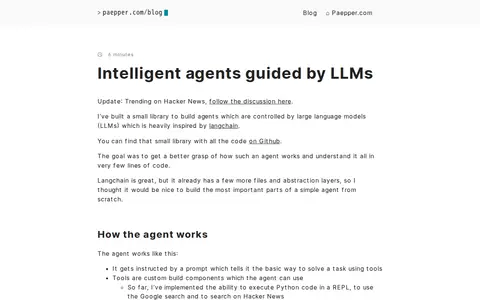
A blog post describing a small library for building agents controlled by large language models, inspired by langchain. The agent is instructed by a prompt and runs in a loop of Thought, Action and Observation. Implemented tools include executing Python code in a REPL, Google search and Hacker News search.
-
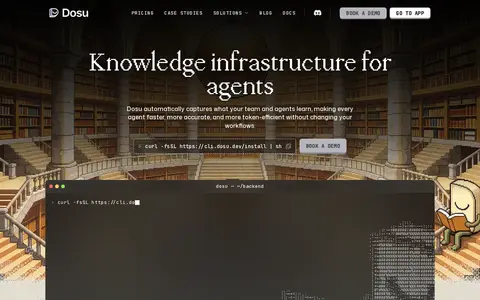
0Dosu is knowledge infrastructure for engineering teams and the coding agents they work with. It keeps documentation, specifications and agent memory current with code changes, and connects to tools such as GitHub, GitLab, Slack, Notion and Confluence. A free plan covers public repositories with 200 credits per month; the Pro plan is listed at $16/month with 4,000 credits per month.
-
0Heroes Wear Masks provides machine-learning models, research, training resources, or evaluation tools.
-
0
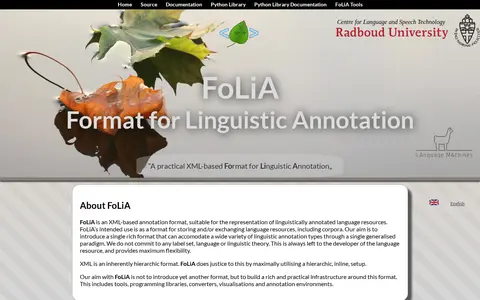
FoLiA is an XML-based format for linguistic annotation intended for representing and exchanging written language resources such as corpora. It aims to accommodate many annotation types through a generalized paradigm without committing to a particular label set, language or linguistic theory. The project includes documentation, a RelaxNG schema and software libraries.
Community notes
Reviews and discussion
No reviews yet
Be the first to share how this project worked for you.
Join the discussion
Sign in with a verified account to leave a review or join the discussion.
Sign in to review