xplr.dev
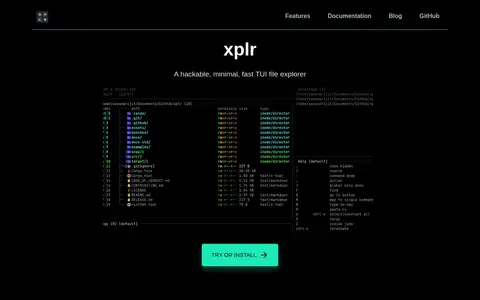
xplr is a Linux, macOS, BSD, or Unix resource for tools, documentation, communities, or system workflows.
Directory
Linux and macOS software covers desktop programs, distributions and documentation for Unix-like systems. Entries include desktop applications, command-line tools, package pages and distributions, along with the guides and video walkthroughs that help people set them up. Check the licence, the last release date, the system versions supported and how the software is installed. Some are official project sites, while others are community wikis or release mirrors that may lag behind. Support depends on your hardware and setup, so confirm compatibility and the current download from the project's own pages before you rely on it.
xplr is a Linux, macOS, BSD, or Unix resource for tools, documentation, communities, or system workflows.

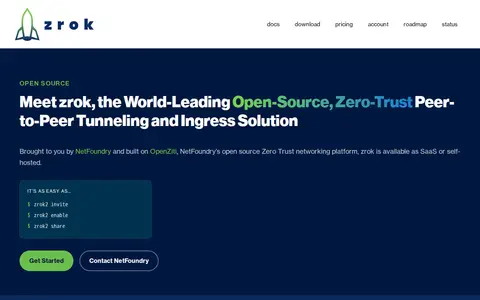
Zrok is an open-source, zero-trust peer-to-peer tunneling and ingress solution developed by NetFoundry and built on the OpenZiti platform. It provides instant, secure tunneling of applications from anywhere, supporting private sharing of files, repositories, and video without exposing resources to public endpoints. Zrok is available as a SaaS or self-hosted deployment.

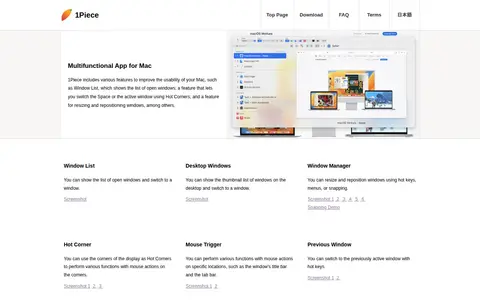
1Piece is a macOS utility that bundles features intended to improve usability of the Mac. It includes Window List for showing open windows, Hot Corners for switching Spaces or the active window, and a Window Manager for resizing and repositioning windows using hot keys, menus, or snapping.

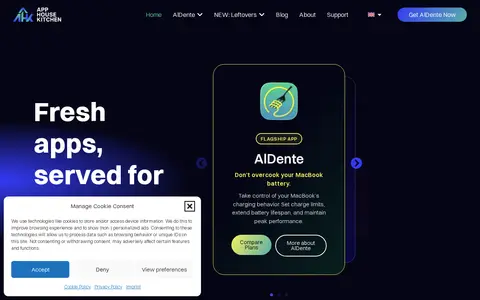
AlDente is a macOS utility from AppHouseKitchen that lets MacBook users set a charge limit so the battery spends less time fully charged. The site also lists Heat Protection, Sailing Mode, and Calibration Mode among features giving more control over battery health.

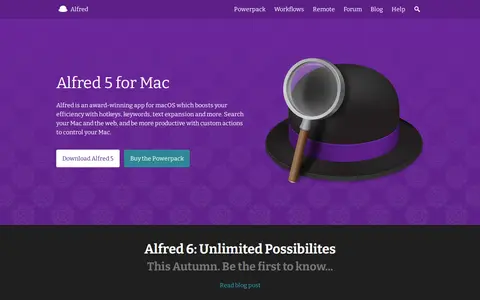
Alfred is a productivity application for macOS that uses hotkeys, keywords and text expansion to search the Mac and the web and to control the Mac through custom actions. It includes clipboard history, snippets, a calculator and 1Password bookmark access. Additional automation workflows are available with the Powerpack.

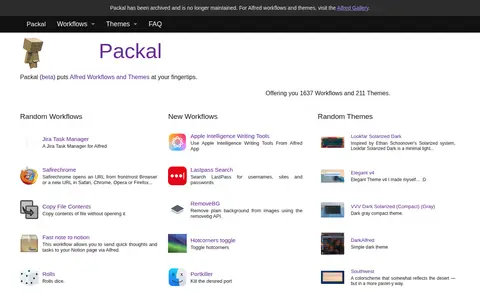
Packal.org is a repository of user-contributed workflows and themes for the Alfred 2 application on Mac OS X. Its beta site lists workflows and themes and shows new and random entries.

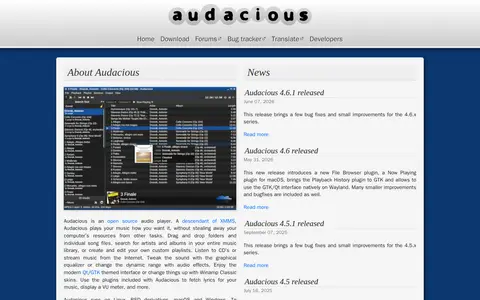
Audacious is an open source audio player and a descendant of XMMS. It plays local music files and folders, supports custom playlists, CDs and internet streams, and includes a graphical equalizer and audio effects. It offers a Qt/GTK interface or Winamp Classic skins and runs on Linux, BSD derivatives, macOS and Windows.

Beta Profiles tracks Apple beta software releases, listing beta versions and builds for iOS, iPadOS, macOS, watchOS, tvOS and visionOS. It offers downloads of beta versions without a beta profile and a compatibility page checking whether devices support the latest betas.

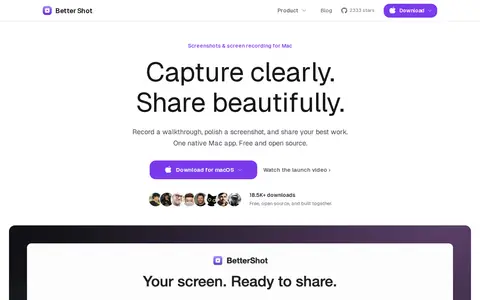
Better Shot is a free, open-source screenshot and screen recorder for macOS. It serves as an alternative to Loom and CleanShot X, offering features such as cursor auto-zoom, face cam, on-device captions, and a full editing suite. The app requires no account, subscription, or watermark.

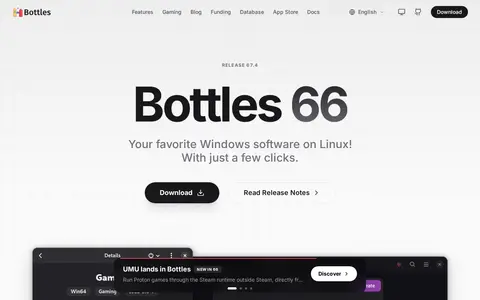
Bottles is a Linux, macOS, BSD, or Unix resource for tools, documentation, communities, or system workflows.

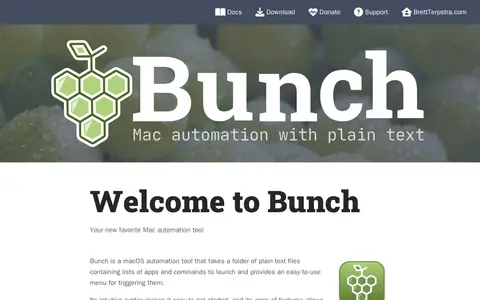
Bunch is a macOS automation utility that reads plain text files called Bunches to launch applications, run scripts, open files and websites, and change system settings. It sits in the menu bar and presents the Bunches as a menu for switching between work contexts with a click. The software is free.

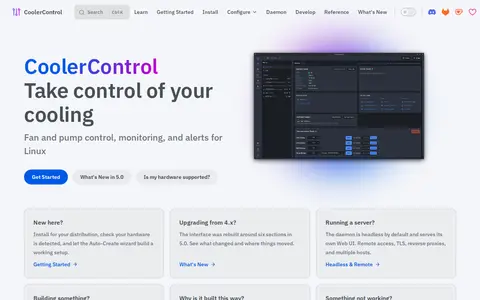
CoolerControl is a documentation site for cooling control software. It directs new users to install for their distribution, verify hardware detection, and use an Auto-Create wizard to build a working setup. It also provides guidance for users upgrading from 4.x, running a server, building something, and troubleshooting.
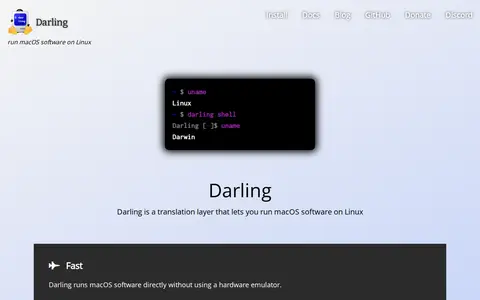
Darling is a translation layer for Linux that runs macOS software directly without a hardware emulator. It implements a Darwin environment including Mach, dyld and launchd, and is free and open-source under the GNU GPL version 3. Basic experimental support exists for simple graphical applications.

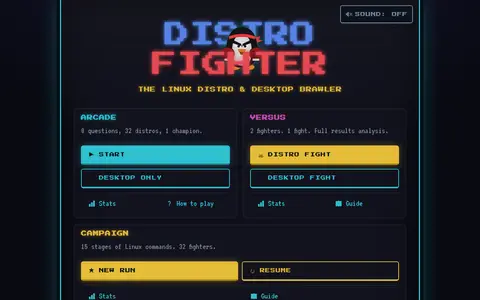
Distro Fighter is a Linux or BSD distribution resource for documentation, releases, support, or community help.

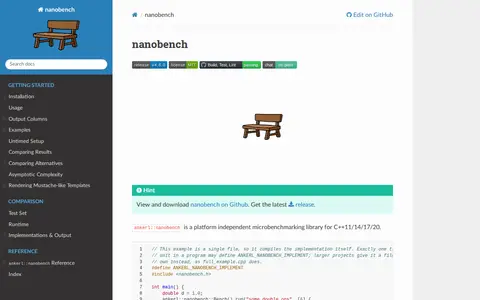
ankerl::nanobench is a platform independent microbenchmarking library for C++11/14/17/20. It provides a simple API and prints benchmark results including time per operation, instructions per operation, cycles per operation, IPC and branch misses.

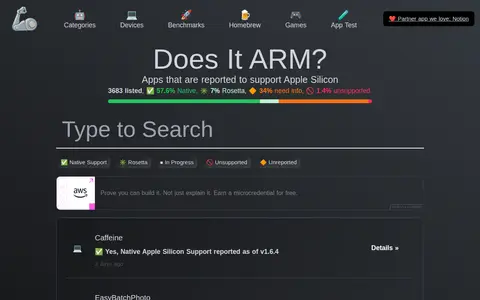
Does It Arm? is a compatibility resource for Apple Silicon processors, including the Apple M5 Max and M5 Pro. It lists apps and games reported to support these processors, and provides associated performance reports and benchmark data. Content is organized into categories such as apps, games, devices, benchmarks, and Homebrew packages.

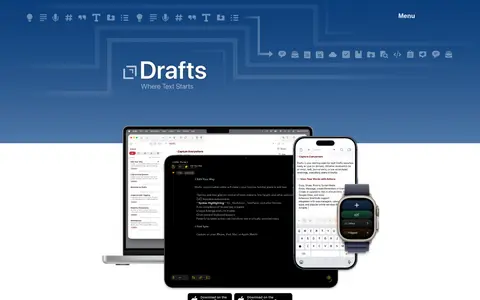
Drafts is a quick-capture text app for iPhone, iPad, Mac and Apple Watch. It opens to a new page with the keyboard ready, and new entries go into an Inbox where they can be tagged, flagged or archived. Text can be moved to other apps and services through actions.
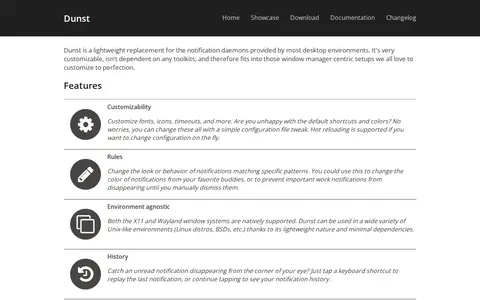
Dunst is a lightweight replacement for the notification daemons provided by most desktop environments. It is customizable, depends on no toolkits, and natively supports both X11 and Wayland. Rules can change the look or behavior of notifications matching specific patterns.

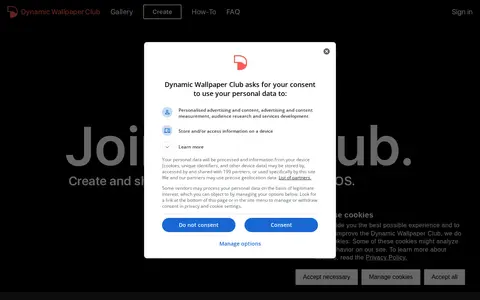
Dynamic Wallpaper Club is a website that offers a gallery of free dynamic wallpapers for macOS and a creator tool for making them. Wallpapers can change over the course of the day in time mode or follow the sun's position in solar mode. The site also lets users share wallpapers with the community or add others' wallpapers to a collection.

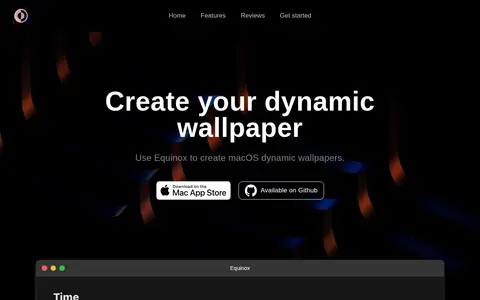
Equinox is a free and open-source application for creating dynamic wallpapers for macOS. It offers three wallpaper types: solar, based on the sun's position; time, based on chosen times; and appearance, which uses one image for light mode and one for dark mode. Wallpapers can be set right after creation.
Fusion is a Linux, macOS, BSD, or Unix resource for tools, documentation, communities, or system workflows.

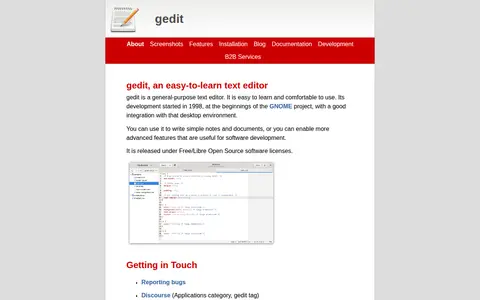
gedit is a general-purpose text editor, easy to learn and comfortable to use. Its development started in 1998 with integration with the GNOME desktop environment. It can be used for simple notes and documents or with advanced features useful for software development. It is released under Free/Libre Open Source software licenses.

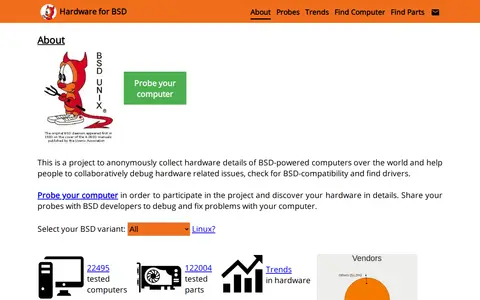
BSD Hardware Database is a project to anonymously collect hardware details of BSD-powered computers and help people collaboratively debug hardware related issues, check for BSD-compatibility and find drivers. Users can probe their computers to participate and share probes with BSD developers to debug and fix problems.

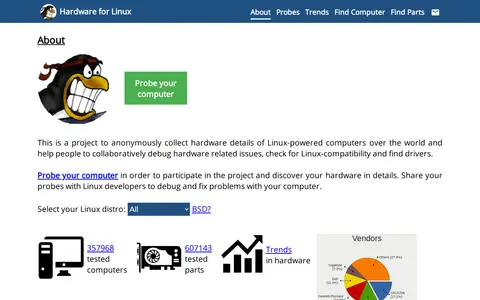
A project that anonymously collects hardware details of Linux-powered computers. It lets people probe their computers, share the results with developers, debug hardware-related issues, check Linux compatibility and find drivers. The site reports a high detailed database of hardware and lists recent probes and tested computers and parts.